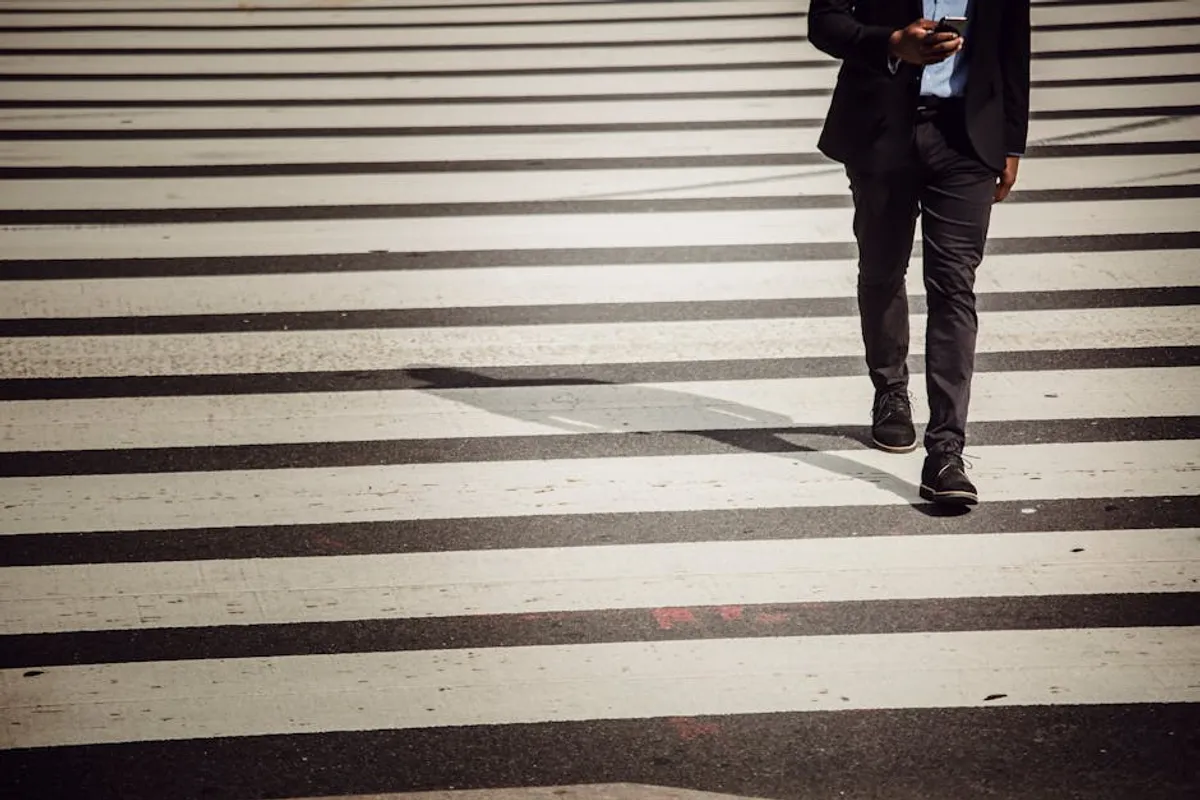
Street photography, at its core, is about documenting humanity in candid, unposed moments within public spaces. It demands a unique blend of technical skill, keen observation, and ethical awareness. This guide provides actionable strategies to move beyond snapshots and cultivate a distinctive visual voice, focusing on both the art of seeing and the mechanics of capturing authentic street scenes. If you're new to this genre, understanding how to cultivate a distinctive visual voice is key to compelling street photography.
Mastering Observation and Anticipation
Successful street photography hinges on more than just pointing a camera; it requires a deep engagement with your surroundings and an ability to foresee unfolding events. This involves training your eye to recognize compelling narratives and anticipating the peak of action before it happens.
Developing Your "Street Eye"
Your "street eye" is a cultivated ability to perceive potential photographs within the chaotic flow of urban life. This means actively looking for specific elements: interesting light, strong shadows, unique gestures, unexpected juxtapositions, and compelling human interactions. It's not just about seeing people, but understanding how they interact with their environment, the architecture, and each other. Practice observing without judgment, allowing your mind to process visual information rapidly and identify patterns or anomalies that tell a story.
Anticipating Moments
Anticipation is the skill of predicting where a subject might move, when an interaction might peak, or how a particular light might fall. This often involves pre-composing a shot, framing an empty space, and waiting for the right subject to enter it. For instance, if you see a strong shaft of light, consider what kind of person or action would best complete that scene. If a group is conversing animatedly, anticipate a laugh or a dramatic gesture. This proactive approach allows you to capture decisive moments rather than merely reacting to them.
Technical Considerations for Street Photography
While the 'eye' is paramount, appropriate gear and settings provide the foundation for executing your vision. The aim is often to be discreet, fast, and capable of capturing sharp images in varied conditions.
Essential Gear Choices
Best for: Discretion and versatility
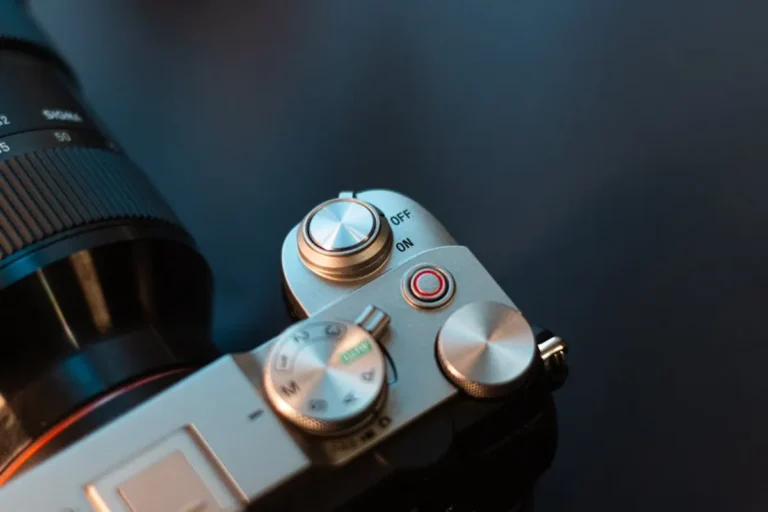
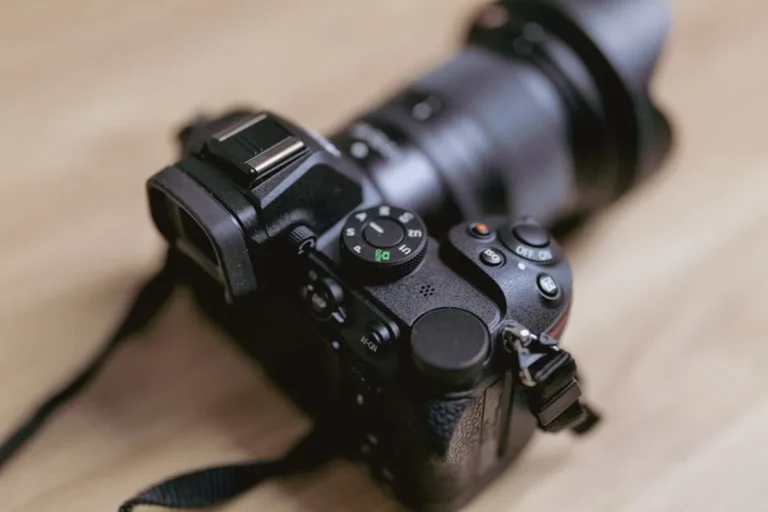
Many street photographers favor compact, mirrorless cameras or rangefinders due to their smaller size and quieter operation, which helps maintain discretion. Prime lenses are often preferred for their sharpness, wider apertures for low light, and the way they encourage a consistent perspective. A 35mm equivalent focal length is a popular choice, offering a natural field of view that closely mimics human vision, making it versatile for both environmental portraits and wider street scenes. A 50mm equivalent provides a slightly tighter, more intimate perspective.
- Compact, unobtrusive camera body (mirrorless or rangefinder).
- Prime lens: 35mm or 50mm equivalent for consistent perspective.
- Spare battery: Street photography often involves extended periods of shooting.
- Comfortable strap: Essential for carrying your camera for hours.
Optimal Camera Settings
Best for: Speed and depth of field
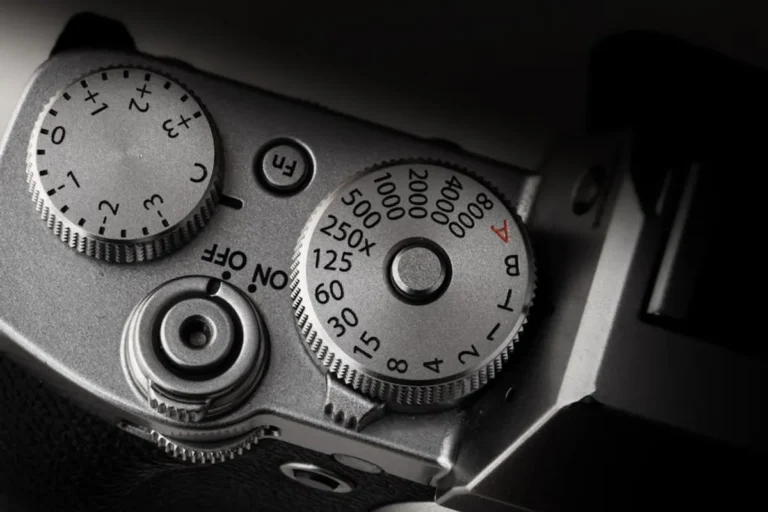
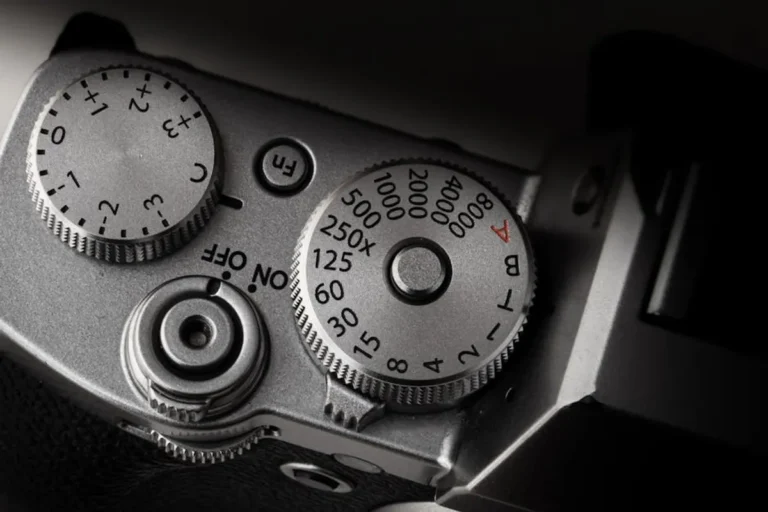
For street photography, prioritizing shutter speed and depth of field is crucial. A common approach is to use Aperture Priority mode (Av or A) with an aperture set between f/8 and f/11. This provides sufficient depth of field to keep most elements in focus, especially when subjects are at varying distances. Set your ISO to Auto, but define a maximum limit (e.g., ISO 3200 or 6400) to control noise. For shutter speed, aim for at least 1/250th of a second to freeze most motion. In brighter conditions, you can increase this significantly. Many photographers also utilize zone focusing or hyperfocal distance techniques, pre-focusing their lens to a specific distance to minimize autofocus lag and ensure subjects within a certain range are sharp. To ensure you have all the necessary gear and settings dialed in, consider using a helpful street photography checklist.
Ethical and Legal Frameworks
Street photography operates within a unique intersection of artistic expression, public rights, and personal privacy. Understanding these boundaries is critical for responsible practice.
Understanding Public vs. Private Spaces
In most jurisdictions, photography in public spaces is legally permissible, as individuals generally have no reasonable expectation of privacy when in public view. Public spaces include streets, parks, and publicly accessible areas of buildings. However, private property, even if publicly accessible (like a shopping mall), often has its own rules regarding photography, which property owners can enforce. Always be aware of your surroundings and respect posted signs or direct requests from property management regarding photography restrictions.
Approaching Subjects Respectfully
PRO TIP: While generally legal to photograph individuals in public spaces, ethical considerations often outweigh legal rights. If a subject expresses discomfort or asks you to delete an image, consider doing so. Maintaining respect builds trust within the community and protects your reputation as a photographer. Your long-term ability to practice street photography relies on a foundation of mutual respect, not just legal precedent.
Even when legally within your rights, ethical practice dictates a certain level of respect and discretion. Avoid intrusive or exploitative imagery. If a situation feels uncomfortable or if you sense that your presence is causing distress, it is often best to move on. Sometimes, a quick smile or nod can diffuse tension. For more intimate portraits, asking for permission can be appropriate, but this shifts the dynamic from candid street photography to a more collaborative portrait session. The decision to ask for permission depends on your artistic intent and the specific situation.
Compositional Techniques for Dynamic Shots
Beyond capturing a moment, effective street photography requires compelling composition to draw the viewer's eye and convey your message.
Leveraging Light and Shadow
Light is a primary tool for composition. Harsh midday sun can create dramatic contrasts and strong shadows, which can be used to add graphic elements or conceal identity. Early morning or late afternoon light offers softer, warmer tones that can evoke a different mood. Look for how light sculpts subjects, creates patterns, or highlights specific details. Silhouettes, created by shooting into the light, can simplify a scene and emphasize form and gesture.
Incorporating Elements of Surprise
Street photography thrives on the unexpected. Look for visual humor, irony, or unusual juxtapositions. This might involve a person's expression mirroring a billboard, an animal in an unexpected urban setting, or an object placed incongruously. The "rule of thirds" and leading lines are foundational, but intentionally breaking these rules or finding unique perspectives (shooting from low angles, through reflections, or from above) can create more dynamic and memorable images. Frame your subjects using architectural elements like doorways, windows, or archways to add depth and context.
Developing a Personal Style
The most enduring street photographers are those who develop a recognizable visual signature. This isn't achieved overnight but through consistent practice and critical self-reflection.
The Importance of Repetition and Review
Shoot frequently, ideally daily. The more you photograph, the more opportunities you have to refine your observation skills and technical execution. Equally important is the rigorous review of your work. Analyze what works and what doesn't. Identify recurring themes, preferred lighting, or compositional tendencies. Pay attention to the emotions your images evoke. Over time, this iterative process of shooting and reviewing will distill your unique perspective and lead to a distinct personal style.
Sustaining Your Street Photography Journey
Street photography is a continuous learning process. Remain curious, persistent, and open to new experiences. Engage with other photographers, study the work of masters, and allow your understanding of the world to evolve through your lens. The streets offer an endless tapestry of human experience; your role is to interpret and share it.
Frequently Asked Questions
Is it legal to photograph strangers in public?
In most public spaces, it is generally legal to photograph individuals without their explicit permission, as there is no reasonable expectation of privacy. However, laws vary by jurisdiction, and ethical considerations often suggest discretion and respect.
What's the best lens for street photography?
Many street photographers prefer prime lenses around the 35mm or 50mm equivalent focal length. These lenses are compact, sharp, and offer a natural perspective, encouraging a consistent approach to composition.
How do I overcome shyness when photographing people?
Start by photographing from a distance or focusing on environmental shots. Gradually move closer as you gain confidence. Pre-focusing and shooting from the hip can also help maintain discretion. Remember that most people are engrossed in their own activities and often won't notice you.
Should I always ask for permission before taking a photo?
For candid street photography, asking for permission fundamentally changes the dynamic, often resulting in a posed shot rather than an authentic moment. Generally, you do not need permission in public spaces. However, if you intend to use the image commercially or if the subject expresses discomfort, asking for permission or offering to delete the image is an ethical best practice.