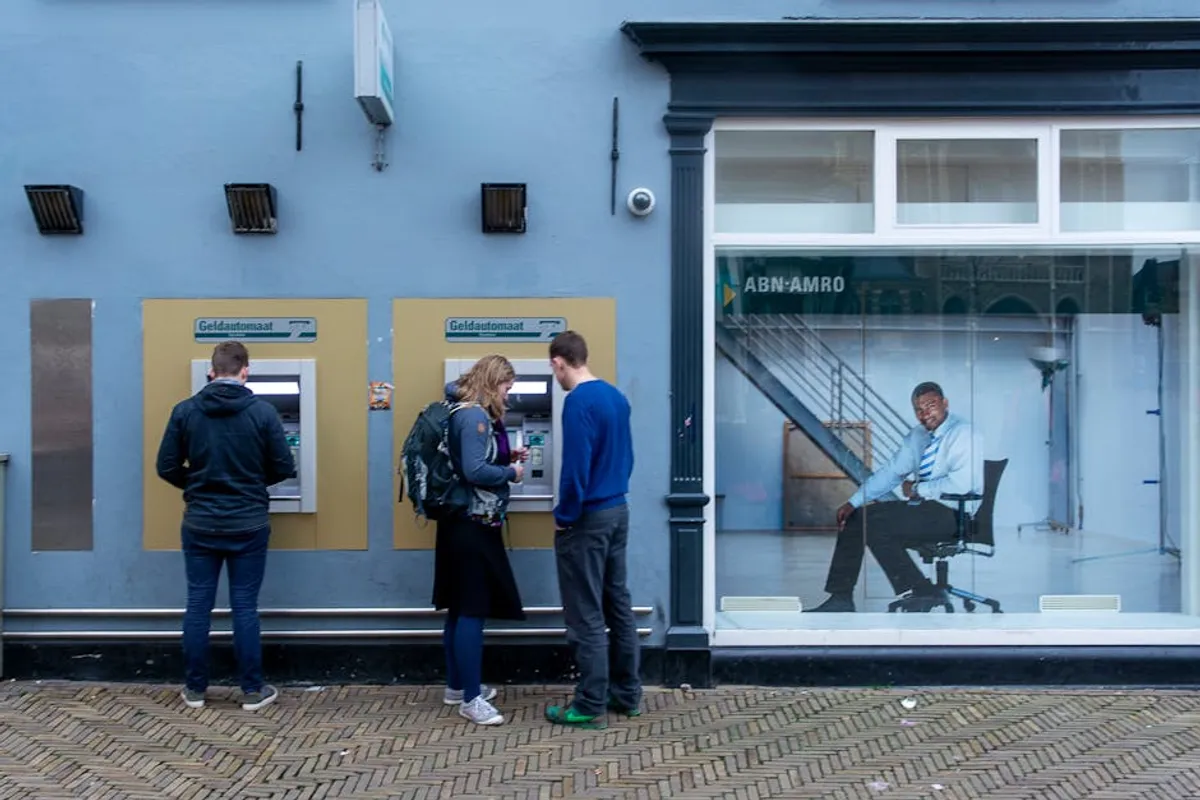
Street photography offers a compelling way to capture the human experience, presenting raw, unposed moments in public spaces. For beginners, the prospect can seem daunting, but it is an accessible and deeply rewarding genre that prioritizes observation and quick decision-making over expensive equipment or complex techniques. This guide provides a structured approach to starting your journey, focusing on core principles, practical gear choices, and ethical considerations to help you develop a distinctive photographic eye.
Defining Street Photography and Its Ethos
What Makes a Street Photograph?
At its heart, street photography is about documenting everyday life, often in urban environments, without staging or direction. It emphasizes candid moments, human interaction, and the interplay of light, shadow, and architecture. A successful street photograph tells a story, evokes emotion, or captures a unique juxtaposition that might otherwise go unnoticed. It’s less about perfect technical execution and more about the narrative power of the image and the photographer's ability to "see" what others overlook.
Ethical Considerations and Respect
Engaging in street photography requires a strong sense of ethical responsibility. While laws regarding photography in public spaces generally permit capturing images of people, respect and discretion are paramount. Avoid intrusive behavior, harassment, or actions that make subjects feel uncomfortable or exploited. The goal is to observe and document, not to provoke or intrude. Understanding local laws regarding public vs. private property and an individual's reasonable expectation of privacy is crucial, though generally, public spaces allow for photography. Always prioritize human dignity over a potential photograph.
Essential Gear for Starting Out
Camera Choices: Simplicity Over Complexity
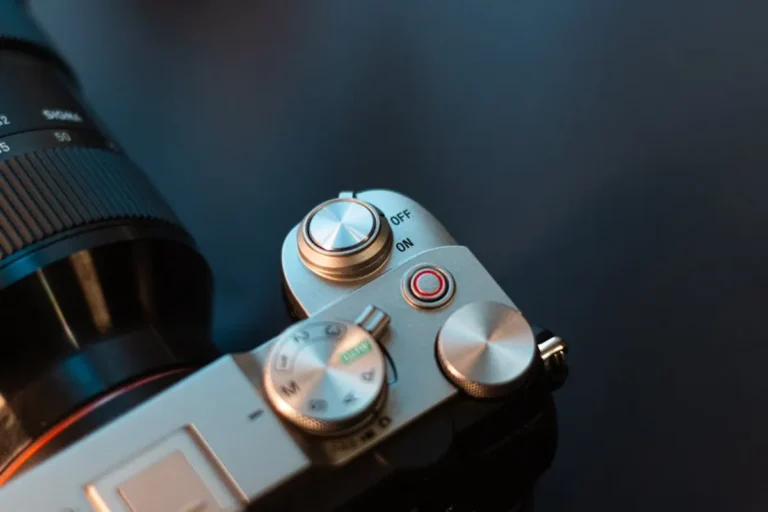
For street photography, the best camera is often the one you have with you and are comfortable operating quickly. Beginners do not need professional-grade equipment. Many successful street photographers use compact setups that are less intimidating and easier to carry for extended periods.
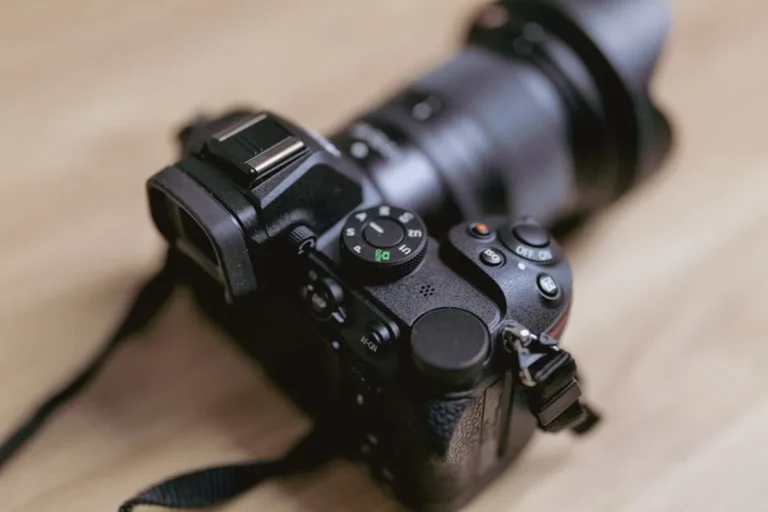
- Mirrorless Cameras: Often smaller and lighter than DSLRs, with excellent image quality and discreet electronic viewfinders. They are a popular choice for their portability.
- DSLRs: If you already own one, it's perfectly capable. Focus on using a single, versatile lens to keep the setup manageable.
- Smartphones: Modern smartphones offer impressive camera capabilities and are the ultimate discreet tool. They are excellent for practicing composition and timing without drawing attention.
Pro Tip: Focus on a camera that feels like an extension of your hand. The less you think about your gear, the more you can concentrate on the scene unfolding in front of you. Comfort and speed of operation outweigh sensor size or megapixel count for street work.
Lens Recommendations: The Versatile Prime
A prime lens (fixed focal length) is highly recommended for street photography beginners. It encourages you to "zoom with your feet" and simplifies your approach, forcing a deeper understanding of composition.
- 35mm or 50mm equivalent: These focal lengths provide a natural perspective, similar to human vision, making them ideal for capturing scenes authentically. A 35mm equivalent (e.g., a 23mm on an APS-C sensor, or a 35mm on full-frame) is often preferred for its slightly wider field of view, allowing more context. A 50mm equivalent (e.g., 35mm on APS-C, 50mm on full-frame) offers a tighter, more focused perspective.
Other essential items:
- Comfortable walking shoes
- An extra battery
- A small, discreet bag for your gear
- Several memory cards
Mastering Observation and Composition
The Art of Seeing: Anticipating Moments
Street photography is as much about observation as it is about photography. Train your eye to notice interesting light, compelling shadows, unique human interactions, and unexpected juxtapositions. Patience is a virtue; often, the best moments unfold after a period of quiet waiting. Look for patterns, humor, irony, or moments of profound connection.
Foundational Composition Techniques
Even in the fast-paced environment of the street, applying basic compositional rules can significantly enhance your photographs:
- Rule of Thirds: Place subjects or points of interest along the intersecting lines or at the intersections of an imaginary 3x3 grid. This creates a more balanced and engaging image than simply centering everything.
- Leading Lines: Use natural lines in the environment (roads, fences, buildings) to draw the viewer's eye towards your main subject.
- Framing: Utilize elements within the scene—doorways, windows, arches, even people—to frame your subject, adding depth and context.
- Depth: Incorporate foreground, middle ground, and background elements to give your photos a three-dimensional feel, pulling the viewer into the scene.
Approaching Subjects and Capturing Candids
Blending In: The Invisible Photographer
To capture truly candid moments, it's often best to be as unobtrusive as possible. Dress inconspicuously, avoid drawing attention to your camera, and try to move with the flow of people. Practice shooting from the hip or pre-focusing your lens to minimize the time you spend looking through the viewfinder, which can attract attention. The goal is to become part of the environment, allowing life to unfold naturally around you.
Engaging with Subjects (When Appropriate)
While candid shots are the hallmark of street photography, there are times when engaging with a subject can yield powerful results. If you make eye contact, a simple smile or nod can often diffuse any tension. Sometimes, asking for permission can lead to a compelling street portrait. Learn to read situations; some moments call for discretion, while others open the door for a brief, respectful interaction.
Basic Post-Processing for Impact
Enhancing, Not Altering
Post-processing in street photography should generally focus on enhancing the image's existing qualities rather than fabricating new realities. Simple adjustments can significantly improve the impact of your photographs:
- Exposure and Contrast: Correcting underexposed or overexposed areas and adjusting contrast can give your images more punch.
- Highlights and Shadows: Recovering detail in blown-out highlights or deep shadows can add depth.
- Cropping: Use cropping to refine your composition, remove distractions, and strengthen the narrative.
- Black and White Conversion: Many street photographs gain timelessness and emotional depth when converted to black and white, as it removes the distraction of color and emphasizes light, shadow, and form.
Cultivating Your Street Photography Vision
Practice Consistently and Review Your Work
The key to improving in street photography is consistent practice. Regular outings will sharpen your observational skills, improve your timing, and build your confidence. Equally important is critically reviewing your own work. Analyze what makes your successful shots work and identify areas for improvement in others. Look at the work of established street photographers for inspiration, but strive to develop your unique perspective and style.
Share and Connect
Sharing your work, whether with friends, in online communities, or through local photography groups, can provide valuable feedback and expose you to different perspectives. Engaging with other photographers can be a great source of encouragement and inspiration, helping you refine your vision and push your creative boundaries.
Taking Your First Steps
Beginning your journey in street photography is about embracing the unpredictable, honing your observation skills, and developing a respectful approach to capturing the human story. Start with the gear you have, focus on understanding light and composition, and prioritize blending in. The streets are a constantly changing canvas, offering endless opportunities for unique and impactful images. Consistent practice and a genuine curiosity about the world around you are your most valuable tools.
Frequently Asked Questions
Is it legal to photograph strangers in public?
Generally, in most public spaces, it is legal to photograph people without their permission, as they have no reasonable expectation of privacy. However, laws vary by jurisdiction, and ethical considerations always apply. Avoid private property where photography might be restricted, and always act with respect and discretion.
What's the best camera setting for street photography?
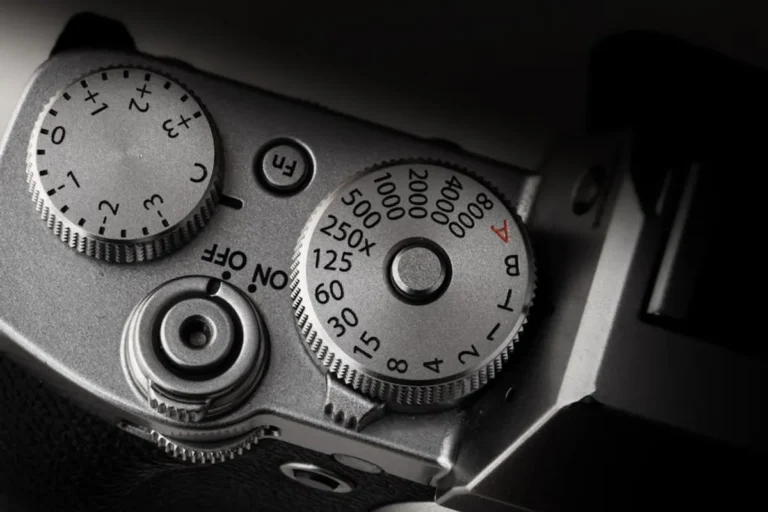
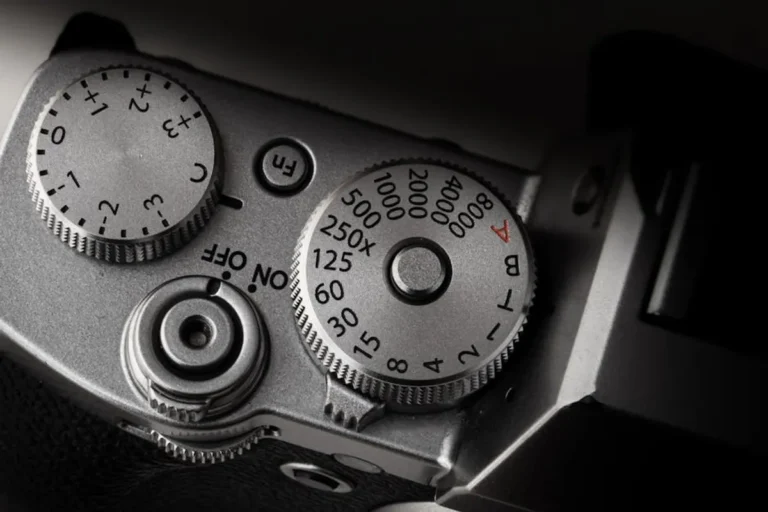
A common starting point is Shutter Priority (Tv/S mode) with a relatively fast shutter speed (e.g., 1/250s or faster) to freeze motion, allowing the camera to select the aperture. Alternatively, Aperture Priority (Av/A mode) with an aperture like f/5.6 to f/8 can provide sufficient depth of field, letting the camera handle shutter speed. Set your ISO to Auto or adjust it to maintain a fast enough shutter speed for available light.
Should I shoot in color or black and white?
This is a personal choice. Color can add vibrancy and context, while black and white often emphasizes form, texture, light, and emotion, giving images a timeless quality. Many photographers shoot in color and decide during post-processing whether a scene is more impactful in monochrome.
How do I overcome the fear of photographing people?
Start by photographing street scenes where people are small elements in a larger frame. Gradually move closer as you gain confidence. Pre-focusing and shooting without looking through the viewfinder can make you less noticeable. Remember that most people are preoccupied and won't even notice you. A friendly demeanor and quick, decisive shooting can also help.