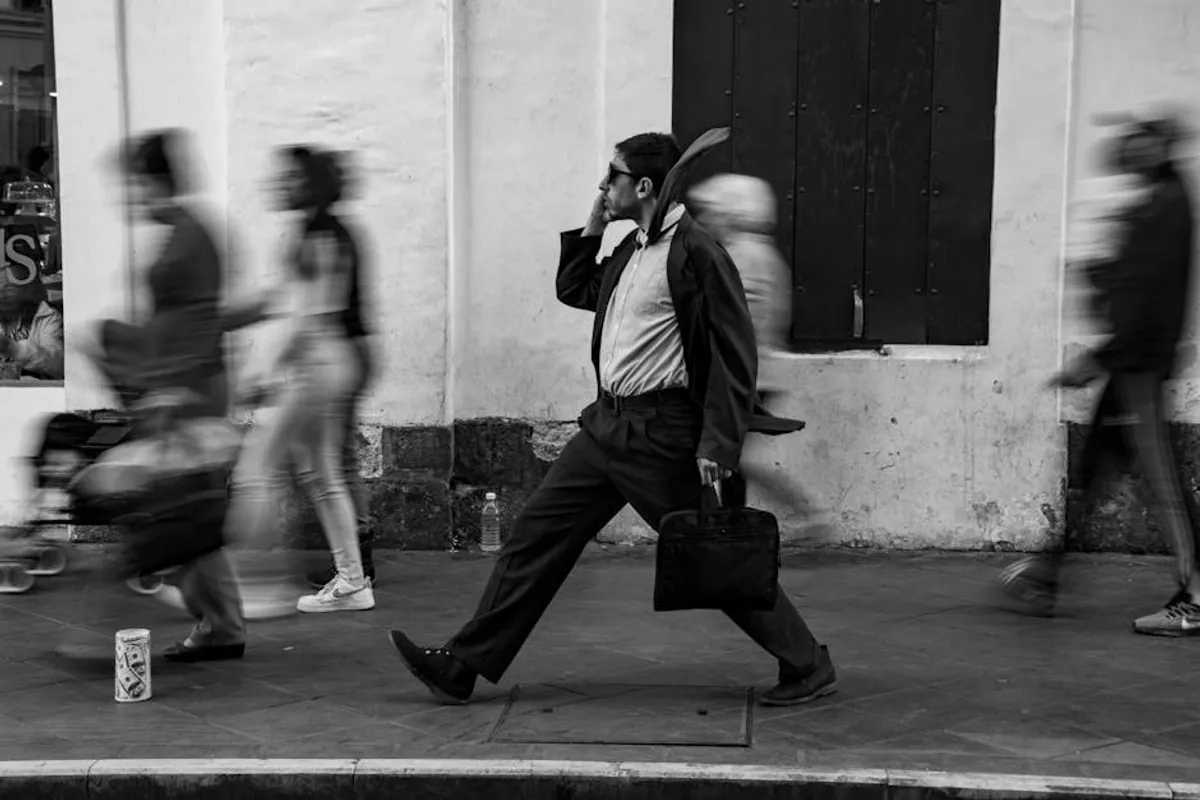
Street photography, a discipline defined by capturing candid moments in public spaces, offers unparalleled opportunities for storytelling and artistic expression. Yet, its dynamic and often unpredictable nature means photographers frequently encounter common pitfalls that can detract from their images. Understanding these prevalent mistakes is not merely about avoiding errors; it’s about refining observation skills, mastering technical execution, and developing a more impactful visual narrative. This article details key areas where street photographers often stumble, providing actionable insights to elevate your work from mere snapshots to compelling visual statements. Understanding the common mistakes street photographers make can significantly improve your own practice and elevate your final images.
Overlooking Compositional Fundamentals
Strong composition provides the framework for any compelling photograph. In street photography, where scenes unfold rapidly, it’s easy to overlook these basics, resulting in cluttered or unengaging images.
Ignoring the Rule of Thirds
Placing your subject dead center often creates a static, uninspired photograph. While central composition has its place, consistently neglecting the rule of thirds – dividing your frame into nine equal sections and placing key elements along the lines or at their intersections – can lead to predictable results. The eye naturally seeks points of interest off-center, and adhering to this principle guides the viewer through your image more effectively.
Correction: Activate grid lines in your camera’s viewfinder or LCD. Consciously position subjects or points of interest at the intersections or along the lines. Experiment with leading lines and negative space to enhance depth and focus.
Cluttered Backgrounds
A busy background can quickly distract from your intended subject, diluting the impact of the main narrative. Street scenes are inherently complex, making it crucial to isolate your subject from extraneous elements.
Correction: Pay as much attention to the background as you do to the foreground. Adjust your position, angle, or focal length to simplify the scene. A wider aperture can introduce background blur (bokeh), helping to separate the subject, but ensure it doesn't obscure crucial context.
Lack of a Clear Subject
Some street photographs feel aimless, lacking a defined focal point or narrative anchor. An image without a clear subject leaves the viewer searching for meaning, often disengaging them entirely. Every photograph should communicate something specific, even if subtle.
Correction: Before pressing the shutter, identify what you want the photograph to be about. Is it a person, an interaction, a specific object, or a unique juxtaposition? Build your composition around this central element, ensuring it commands attention.
Technical Missteps in Dynamic Environments
Street photography demands rapid adjustments to camera settings. Technical errors, if not addressed, can render even the most compelling moments unusable.
Incorrect Exposure Settings
The rapidly changing light conditions on a street, from bright sunlight to deep shadows, can easily lead to under or overexposed images. Relying solely on automatic modes might produce inconsistent results, failing to capture the intended mood or detail.
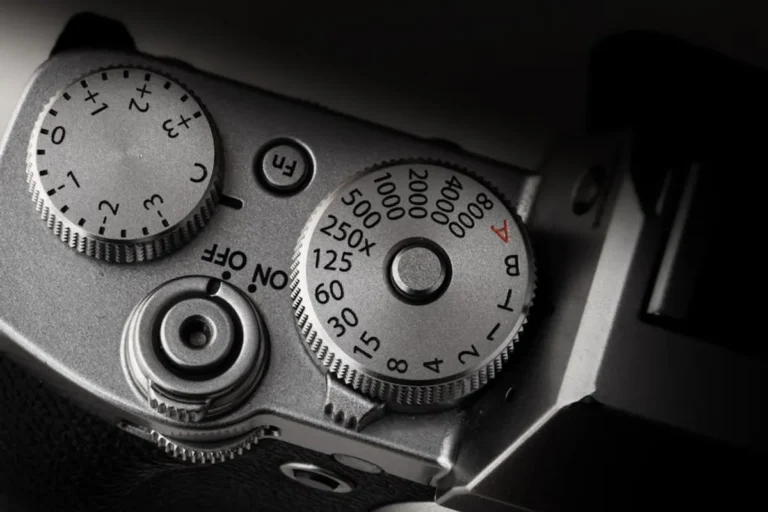
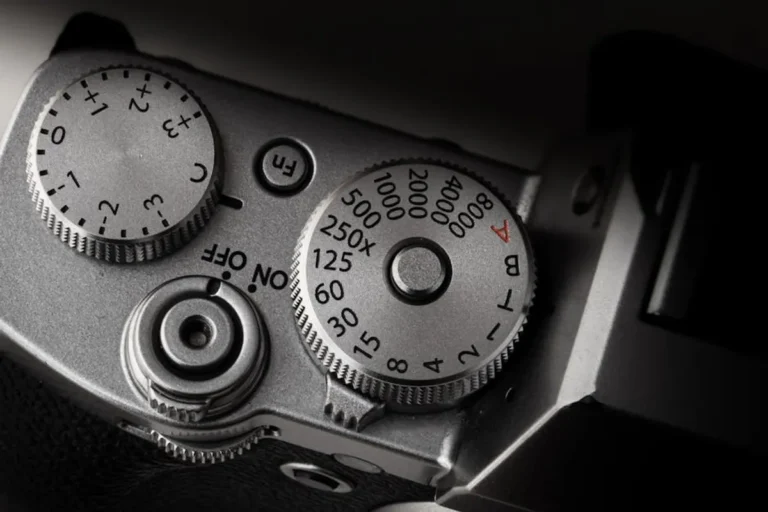
Correction: Understand the exposure triangle (aperture, shutter speed, ISO) and how they interact. Prioritize shutter speed to freeze motion (e.g., 1/250s or faster for people walking), aperture for depth of field (e.g., f/8 for sharpness across a scene, f/2.8 for subject isolation), and adjust ISO as necessary to maintain proper exposure. Use aperture priority (Av/A) or shutter priority (Tv/S) modes for faster control, or full manual (M) once comfortable.
Relying Solely on Autofocus
While modern autofocus systems are highly capable, they can struggle in low light, with fast-moving subjects, or in scenes with multiple competing focal points. A missed focus point means a lost moment.
Correction: Explore alternative focusing techniques. Zone focusing, where you pre-set your focus distance and aperture to achieve a desired depth of field, allows for quick, decisive shooting without constant refocusing. For example, setting f/8 and focusing at 10 feet might keep everything from 6 to 20 feet in acceptable focus. Practice manual focusing for specific, deliberate shots.
Poor White Balance Choices
Automatic white balance (AWB) can be inconsistent, especially when moving between different light sources (e.g., natural light, artificial streetlights, shop windows). This can lead to unnatural color casts that detract from the authenticity of the scene.
Correction: While AWB is often sufficient, consider setting a specific white balance preset (e.g., Daylight, Cloudy, Tungsten) if you anticipate consistent lighting conditions. Shooting in RAW format provides the most flexibility to correct white balance in post-processing without loss of quality.
Approaching Subjects and Scenes Ineffectively
Beyond technical and compositional aspects, the photographer's approach to the street and its inhabitants significantly influences the outcome.
Being Too Distant or Too Obvious
Street photography often thrives on intimacy and candidness. Being too far away can result in images that lack connection, while being overly conspicuous can make subjects self-conscious, altering their natural behavior.
Correction: Find the right balance. Sometimes a longer lens allows for discreet observation, but often, getting closer (with respect) yields more engaging results. Blend in, observe, and anticipate. Dress inconspicuously and avoid drawing unnecessary attention to yourself or your camera.
Failing to Anticipate Moments
Street photography is not just about reacting to what happens; it's about anticipating what *might* happen. A reactive approach often means missing the peak moment or capturing it slightly too late.
Correction: Develop your observational skills. Look for patterns, gestures, and interactions. Position yourself in areas with potential for interesting events, and wait. Pre-visualize possible scenarios and be ready to compose and shoot quickly when they unfold. This involves understanding human behavior and the flow of public spaces.
Neglecting Light Quality
Light is the fundamental element of photography, yet its quality is often overlooked in the rush of street shooting. Harsh midday sun, flat overcast light, or dramatic shadows each present different opportunities and challenges.
Correction: Train your eye to see light. Understand how it falls on subjects, creates shadows, and defines textures. Seek out interesting light, such as golden hour, dramatic shadows, or unique artificial light sources. Use light to sculpt your subjects and add depth or mood to your scenes.
Pro Tip: Always be aware of your surroundings and respect personal space. While street photography often involves capturing candid moments, understanding local laws and cultural norms regarding public photography is crucial. A quick smile or a respectful nod can often diffuse potential misunderstandings and maintain a positive interaction.
Post-Processing Pitfalls
The work doesn't end with the shutter click. Post-processing is an integral part of modern photography, but it too has its own set of common errors.
Over-Processing Images
The temptation to heavily edit images – pushing colors, contrast, or clarity to extremes – can lead to unnatural, artificial-looking results that undermine the authenticity often sought in street photography. The goal is enhancement, not reinvention.
Correction: Aim for subtle adjustments that enhance the natural qualities of the scene. Focus on correcting exposure, white balance, and minor color shifts. Use local adjustments to draw attention to your subject without making the overall image look over-edited. Less is often more.
Inconsistent Editing Style
A portfolio with wildly varying editing styles can appear disjointed and unprofessional. While experimentation is valuable, a lack of cohesive visual language can confuse viewers and dilute your artistic voice.
Correction: Develop a consistent editing approach. This doesn't mean every photo looks identical, but rather that there's a recognizable aesthetic thread running through your work. This might involve preferred color palettes, contrast levels, or black and white conversions. Review your body of work to identify and refine your signature style.
Refining Your Street Photography Practice
Mastering street photography is an ongoing journey of observation, technical refinement, and personal expression. By consciously addressing these common mistakes, you move beyond merely documenting scenes to actively crafting compelling visual narratives. Each missed shot or imperfect frame offers a learning opportunity, guiding you toward a more intentional and impactful approach. Continuous practice, critical self-assessment, and a willingness to experiment are the cornerstones of developing a distinct and powerful street photography voice.
Frequently Asked Questions
What is the most common mistake beginners make in street photography?
Beginners often struggle with composition, resulting in cluttered backgrounds or a lack of a clear subject. They may also be hesitant to get close enough to subjects, leading to images that lack intimacy or impact.
How can I improve my street photography quickly?
Consistent practice is key. Focus on observing light and human behavior, pre-visualize shots, and review your work critically to identify areas for improvement. Experiment with different focal lengths and camera settings to understand their impact.
Is it ethical to photograph strangers on the street?
Generally, photographing people in public spaces is legally permissible in many regions, as there's no expectation of privacy. However, ethical considerations extend beyond legality. Always be respectful, avoid intrusive behavior, and consider the context of your images. If someone expresses discomfort, it's often best to respect their wishes.
What gear is essential for effective street photography?
While any camera can work, a compact, discreet camera with a versatile prime lens (e.g., 35mm or 50mm equivalent) is often preferred for its portability and ability to blend in. Comfortable shoes are arguably as essential as the camera itself, enabling you to explore and stay on your feet for extended periods.