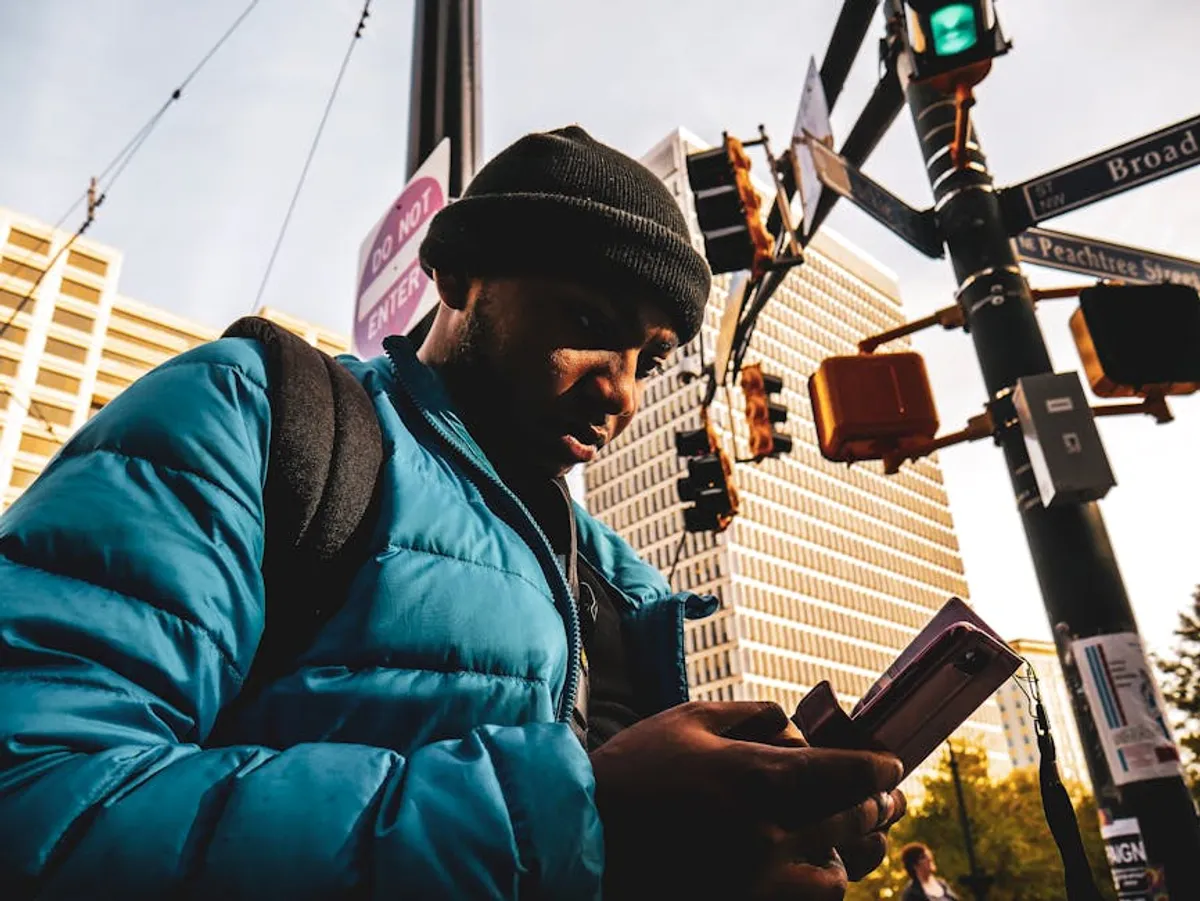
Street photography, at its core, is the art of capturing candid moments within public spaces. It distinguishes itself by documenting everyday life, human interaction, and the urban landscape without staged setups or direct subject intervention. For professionals, understanding this genre moves beyond mere aesthetic appreciation; it involves recognizing its unique challenges, ethical frameworks, and the distinct narrative potential it offers for editorial, fine art, and documentary applications. This overview dissects the practical and conceptual aspects essential for anyone looking to engage with or commission work within this demanding photographic discipline. This overview dissects the practical and conceptual aspects essential for anyone looking to engage with this genre, offering insights into its nuances and potential applications.
Defining the Genre and Its Core Principles
Street photography thrives on spontaneity and observation. It is not simply about photographing on a street, but about seeking out unposed human elements, fleeting gestures, and compelling juxtapositions that reveal a deeper truth about society or individual experience. The genre demands a photographer to be simultaneously invisible and acutely aware, blending into the environment while maintaining a sharp focus on potential narratives unfolding around them.
Key characteristics include:
- Candidness: Subjects are unaware or largely unconcerned with the camera's presence, preserving natural expressions and actions.
- Public Spaces: The environment is typically urban, but can extend to any public area where human activity is central.
- Observation: Success hinges on the photographer's ability to see and anticipate moments that others might overlook.
- Narrative Implication: A strong street photograph often tells a story or evokes a question, inviting the viewer to interpret the scene.
Historical Trajectory and Modern Relevance
The roots of street photography can be traced back to the invention of portable cameras in the late 19th and early 20th centuries, with pioneers like Eugène Atget documenting Parisian streets. It gained significant traction with figures such as Henri Cartier-Bresson, whose concept of the "decisive moment"—the instant when visual elements and emotional content align perfectly—became a foundational principle. Later, photographers like Garry Winogrand and Lee Friedlander pushed boundaries, emphasizing the chaotic and fragmented nature of urban life.
Today, street photography remains highly relevant. It serves as a vital form of social commentary, a record of cultural shifts, and a powerful tool for visual storytelling. Its raw, unvarnished perspective offers an authentic counterpoint to the often-curated imagery prevalent in commercial media, making it valuable for brands seeking genuine connection or editorial outlets requiring unfiltered documentation. Today, street photography remains highly relevant, continuing to evolve with new approaches and perspectives.
Navigating Ethical Considerations and Legal Boundaries
One of the most complex aspects of street photography involves the ethical treatment of subjects and compliance with legal frameworks regarding privacy. While laws vary by jurisdiction, a general understanding of public versus private spaces, and the distinction between photographing individuals and capturing public events, is crucial.
Pro Tip: Always prioritize respect and discretion. While photographing in public spaces is generally permissible for journalistic or artistic purposes, maintaining a low profile and avoiding confrontational situations is paramount. If a subject expresses discomfort, it is often best to move on or delete the image, even if legally permissible to keep it. Building trust within the community, even implicitly, benefits the photographer's long-term practice.
The debate around consent is ongoing. While explicit consent is rarely sought in candid street photography, photographers often aim to capture subjects in a way that respects their dignity and does not exploit their vulnerability. This self-imposed ethical guideline helps ensure the work is both impactful and responsible.
Technical Approaches and Equipment Choices
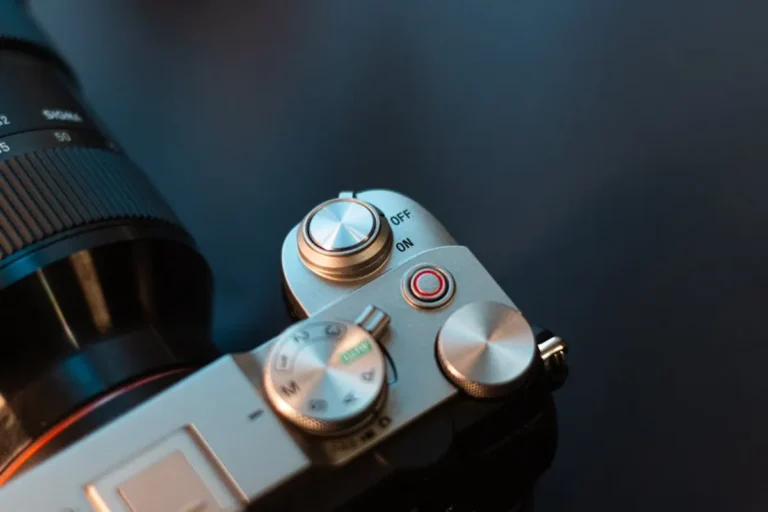
The technical demands of street photography favor speed, discretion, and reliability over elaborate setups. Photographers typically opt for compact, unobtrusive cameras and fast prime lenses.
Camera Systems
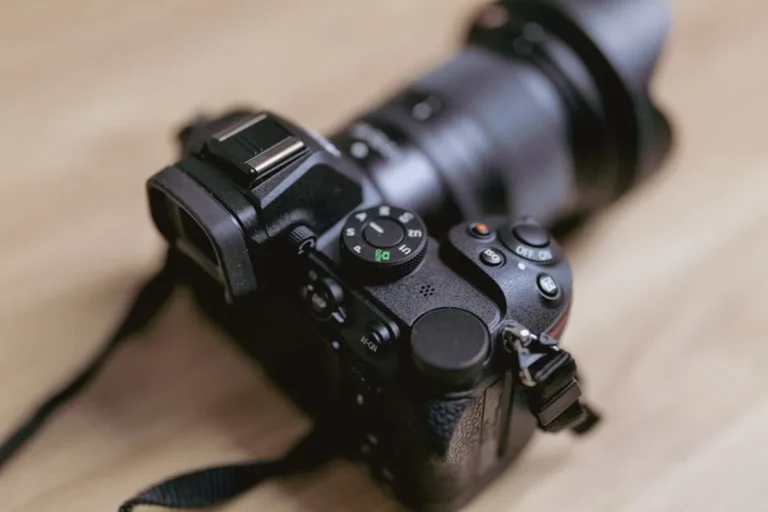
Mirrorless cameras are popular due to their smaller size, silent shooting modes, and advanced autofocus systems. DSLRs are also used, particularly models known for robust build quality and quick handling. The choice often comes down to personal preference for ergonomics and a system's ability to perform reliably in diverse lighting conditions.
Lens Selection
Common focal lengths range from 28mm to 50mm (full-frame equivalent). A 35mm lens is a frequent choice, offering a natural perspective that is wide enough to capture context but narrow enough to isolate subjects. Faster apertures (f/1.4, f/1.8, f/2) are preferred for low-light conditions and creating subject separation.
Camera Settings
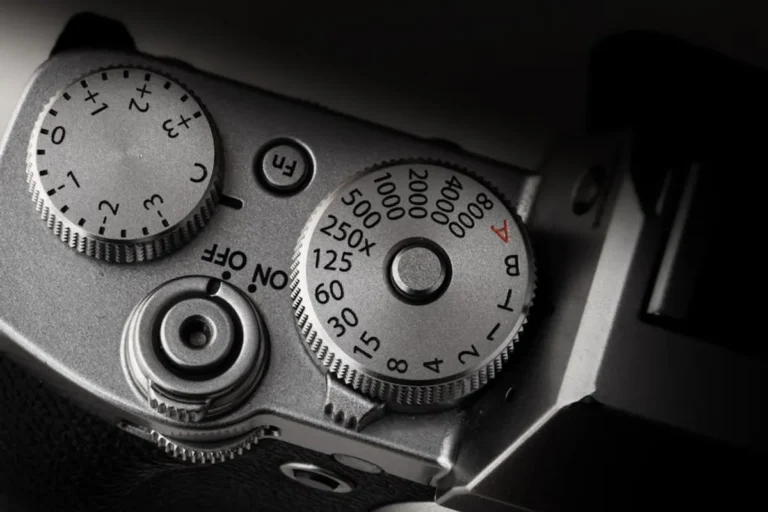
Manual or aperture-priority mode is often used, allowing control over depth of field. A fast shutter speed (e.g., 1/250s or faster) freezes motion, while auto ISO helps manage exposure in rapidly changing light. Zone focusing, where the lens is pre-focused to a specific distance, enables quicker captures without relying solely on autofocus.
Compositional Strategies and Storytelling
Effective street photography relies heavily on strong composition to transform mundane scenes into compelling narratives. Photographers employ various techniques to guide the viewer's eye and imbue images with meaning.
Elements of Composition
- Juxtaposition: Placing contrasting elements together to create tension or humor.
- Leading Lines: Using natural lines in the environment to draw attention to the subject.
- Framing: Utilizing architectural elements or other objects to frame the main subject.
- Layers: Arranging multiple planes of interest within a single frame to add depth.
- The Human Element: Capturing gestures, expressions, and interactions that convey emotion or a narrative.
The goal is to move beyond simply documenting a scene to interpreting it, transforming a transient moment into a lasting visual statement. This requires patience, an understanding of light, and the ability to anticipate how a scene might evolve.
Elevating Your Street Photography Practice
Consistent engagement and critical self-assessment are vital for growth in street photography. Regularly reviewing your work helps identify strengths and areas for improvement, refining your observational skills and technical execution.
Cultivating a unique perspective is also essential. While learning from masters is beneficial, developing a personal style—a consistent visual voice—distinguishes your work. This comes from understanding your own interests, what draws your eye, and how you choose to interpret the world through your lens. This distinct vision is often what makes a street photographer's portfolio commercially attractive for editorial features, fine art sales, or specific brand campaigns seeking authentic visual narratives.
Frequently Asked Questions
What is the primary difference between street photography and documentary photography?
While both involve capturing real-world events, street photography typically focuses on candid, unposed moments in public spaces, often with an artistic or observational intent, whereas documentary photography usually aims to tell a specific story or report on a particular event or issue over time.
Is it legal to photograph people in public without their permission?
In many jurisdictions, photographing individuals in public spaces is generally legal, especially if the intent is artistic, journalistic, or for public interest. However, laws vary significantly, and privacy expectations differ. It is always prudent to be aware of local regulations and to prioritize ethical considerations.
What is the "decisive moment" in street photography?
Coined by Henri Cartier-Bresson, the "decisive moment" refers to that fleeting instant when all visual elements in a scene—composition, light, and the actions of subjects—align perfectly to create a powerful and meaningful photograph.
What kind of lens is best for street photography?
Prime lenses between 28mm and 50mm (full-frame equivalent) are widely favored for street photography due to their compact size, wide apertures, and natural perspective. A 35mm lens is a popular choice for its versatility in capturing both context and individual subjects.