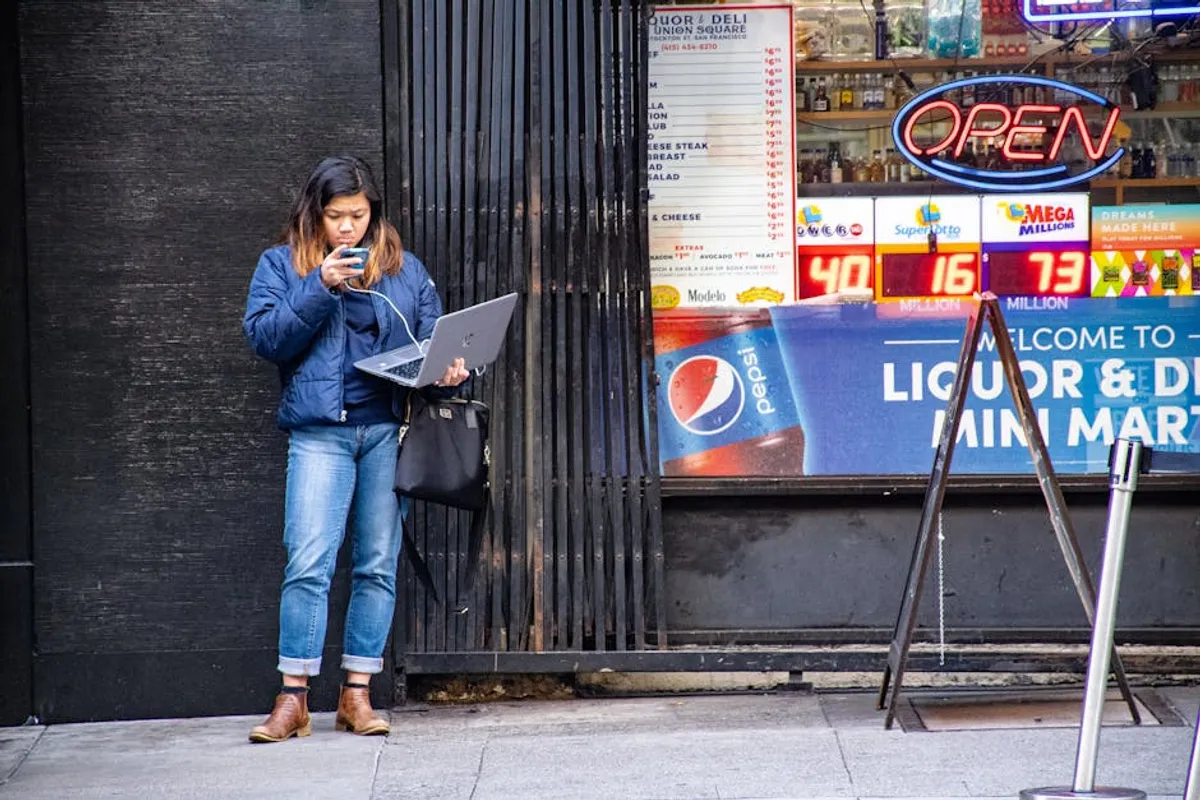
Navigating the equipment and methodological choices for street photography requires understanding how specific gear and approaches influence the final image and the shooting experience itself. This guide compares common camera systems, lens types, and strategic shooting styles to help practitioners align their tools with their creative and practical objectives. The aim is to clarify the trade-offs inherent in each decision, moving beyond anecdotal preferences to focus on tangible impacts on discretion, image quality, and workflow efficiency.
Comparing Camera Systems for Street Photography
The choice of camera body significantly dictates a street photographer's interaction with their environment and subjects. Each system presents a distinct balance of size, speed, and image rendition.
Mirrorless Cameras
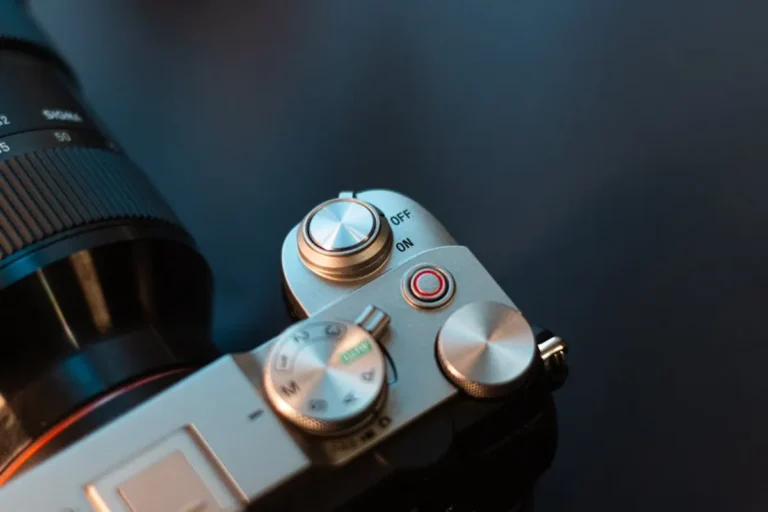
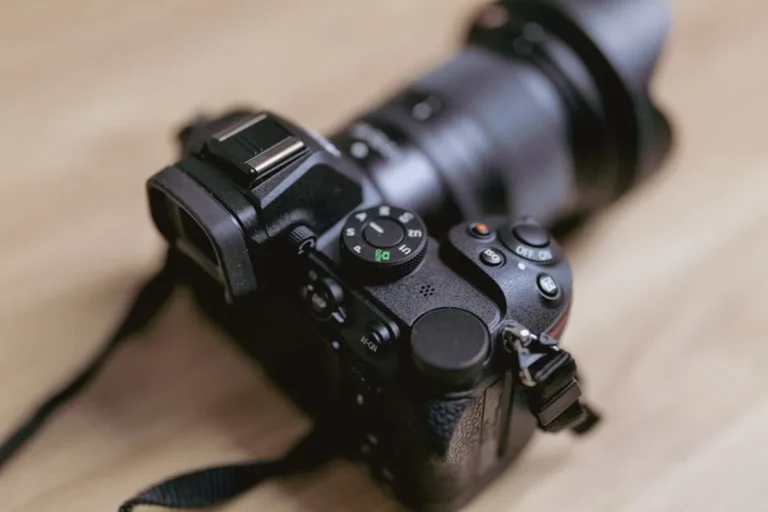
Modern mirrorless systems offer a compelling blend of advanced technology and reduced form factor. Their electronic viewfinders (EVFs) provide real-time exposure previews, a distinct advantage for quick adjustments in dynamic street scenes. Many models feature robust in-body image stabilization (IBIS) and sophisticated autofocus systems, including eye-tracking, which can be critical for sharp, candid captures. However, battery life can be shorter compared to DSLRs, necessitating spares for extended outings.
- Key advantages: Compact size, silent shooting modes, advanced autofocus, real-time exposure preview.
- Considerations: Battery consumption, potential for EVF lag in certain conditions, often higher initial cost for equivalent performance.
Best for: Photographers prioritizing discretion, fast and accurate autofocus, and modern digital conveniences in a portable package.
DSLR Cameras
Digital Single-Lens Reflex cameras, while larger and heavier than their mirrorless counterparts, offer a mature ecosystem of lenses and accessories. Their optical viewfinders (OVFs) provide a direct, lag-free view of the scene, which some photographers prefer for its immediacy and lack of digital interpolation. DSLRs generally boast superior battery life, making them reliable for long shooting sessions without frequent battery changes. The physical shutter mechanism, however, can be louder than mirrorless options, potentially drawing attention.
Best for: Photographers who value robust build quality, extensive lens compatibility, optical clarity through the viewfinder, and extended battery performance, and who are less concerned with absolute discretion.
Rangefinder Cameras
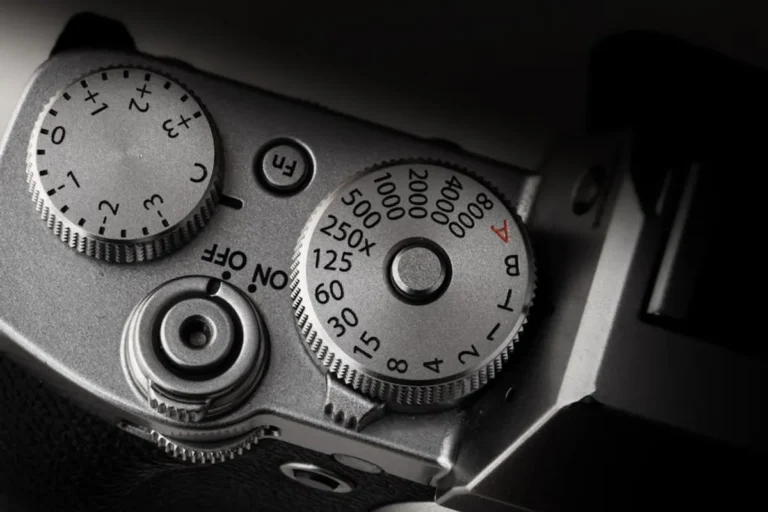
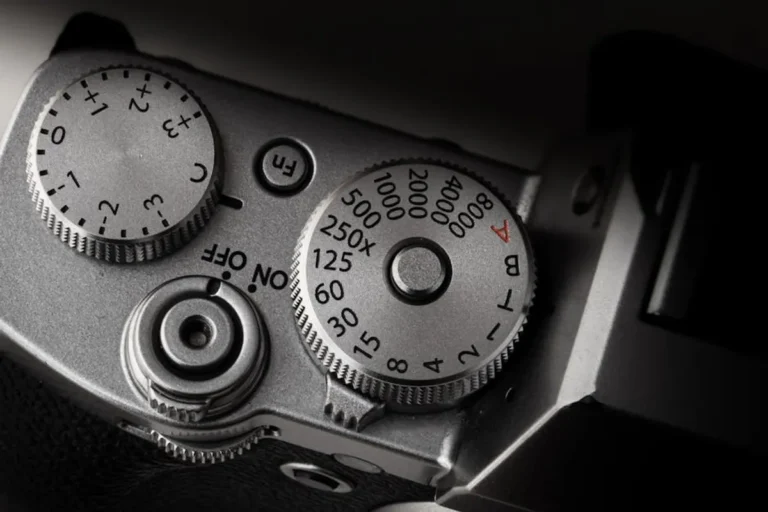
Traditional rangefinder cameras, particularly those with manual focus, offer a unique, minimalist shooting experience. Their discreet mechanical operation and compact size make them exceptionally unobtrusive. The rangefinder focusing mechanism, which involves aligning two images in the viewfinder, allows for precise manual focus and can be faster than autofocus in certain situations once mastered. However, the learning curve for manual focusing is steeper, and the absence of a through-the-lens view means parallax correction is necessary for close subjects. The cost of entry for these systems can also be substantially higher.
Best for: Experienced photographers seeking a deliberate, tactile shooting experience, maximum discretion, and a classic aesthetic, willing to invest in a specific workflow.
Compact & Fixed-Lens Cameras
High-end compact cameras, often featuring larger sensors (APS-C or full-frame) and fixed prime lenses, excel in portability and discretion. Their small footprint allows them to blend seamlessly into urban environments, making them ideal for truly candid work. The fixed lens encourages a disciplined approach to composition and focal length mastery. While offering excellent image quality for their size, the lack of interchangeable lenses limits versatility, and their autofocus systems might not always match the speed of dedicated mirrorless or DSLR bodies.
Best for: Minimalist photographers prioritizing ultimate portability, discretion, and a singular focal length approach for consistent results.
Lens Choices: Primes vs. Zooms
The lens attached to the camera dictates perspective, light gathering, and the overall "look" of street photographs. The choice between prime (fixed focal length) and zoom (variable focal length) lenses involves a trade-off between optical performance, versatility, and size.
Prime Lenses
Prime lenses are often smaller, lighter, and optically superior to zooms at comparable apertures. Their wider maximum apertures (e.g., f/1.4, f/1.8, f/2) allow for shooting in low light, creating shallow depth of field for subject isolation, and achieving faster shutter speeds. Common focal lengths for street photography include 28mm (wide field of view, environmental context), 35mm (classic street focal length, natural perspective), and 50mm (closer perspective, good for isolating subjects). The fixed focal length encourages photographers to "zoom with their feet," fostering a more engaged and deliberate compositional process.
Key prime focal lengths and their characteristics:
- 28mm: Captures broad scenes, excellent for context and environmental portraits. Can introduce perspective distortion if not used carefully.
- 35mm: Widely considered the "documentary" focal length, closely mimics human vision, versatile for both wider shots and tighter compositions.
- 50mm: Provides a more focused perspective, good for isolating individuals or small groups, less environmental context.
Best for: Photographers prioritizing optical quality, low-light performance, subject isolation, and a disciplined approach to composition.
Zoom Lenses
Zoom lenses offer unparalleled versatility, allowing photographers to quickly change focal lengths without changing lenses or physical position. This can be advantageous in fast-paced street environments where moments unfold rapidly. Typical street photography zooms might include a 24-70mm f/2.8 or a smaller, slower 28-70mm f/4. While convenient, zooms are generally larger, heavier, and often have slower maximum apertures than primes, impacting low-light performance and depth of field control. Constant aperture zooms (e.g., f/2.8 throughout the range) mitigate some of these issues but come with increased size and cost.
Best for: Photographers requiring immediate focal length flexibility, willing to trade some optical performance and low-light capability for versatility.
Pro Tip: Focus on mastering one or two focal lengths that resonate with your vision before accumulating a wide array of gear. The "best" camera or lens is the one you know intimately and can operate instinctively, allowing you to concentrate on observation and timing rather than technical adjustments. Over-reliance on gear can detract from the core act of seeing and capturing moments.
Optimizing Your Street Photography Workflow
Beyond gear, a streamlined workflow ensures consistent output and efficient post-production. This involves understanding how your camera settings, shooting style, and post-processing choices align to create a cohesive body of work. For commercial applications or portfolio building, consistency in visual style and technical execution is paramount.
Consider pre-setting your camera for common street scenarios: a preferred aperture for depth of field, a minimum shutter speed to freeze motion, and an auto ISO range. This "set it and forget it" approach for basic exposure allows you to react more quickly to fleeting moments. Developing a consistent post-processing look—whether it's a specific black and white conversion or a color grade—reinforces your personal brand and makes your work instantly recognizable.
Regularly reviewing and culling your images is also crucial. Be critical of your work, selecting only the strongest images that communicate your intended message or capture a unique moment. This disciplined approach not only refines your eye but also builds a stronger, more impactful portfolio for potential clients or exhibitions.
Frequently Asked Questions
What is the ideal focal length for street photography?
There is no single "ideal" focal length; it depends on personal style. 35mm is a popular choice for its natural perspective, while 28mm offers a wider view for environmental context, and 50mm provides more isolation.
Is full-frame necessary for professional street photography?
While full-frame sensors generally offer better low-light performance and dynamic range, APS-C and even Micro Four Thirds cameras are entirely capable of producing professional-grade street photographs. Sensor size is less critical than the photographer's skill and vision.
How important is a fast autofocus system for street photography?
A fast and reliable autofocus system is highly beneficial for capturing fleeting moments. However, many accomplished street photographers also use manual focus, zone focusing, or pre-focusing techniques to achieve sharp results, especially with rangefinder systems.
Should I shoot in color or black and white for street photography?
Both color and black and white offer distinct aesthetic qualities. Color can convey mood and realism, while black and white emphasizes form, texture, and light, often giving images a timeless feel. Many photographers shoot in color and decide on the final rendition in post-processing.