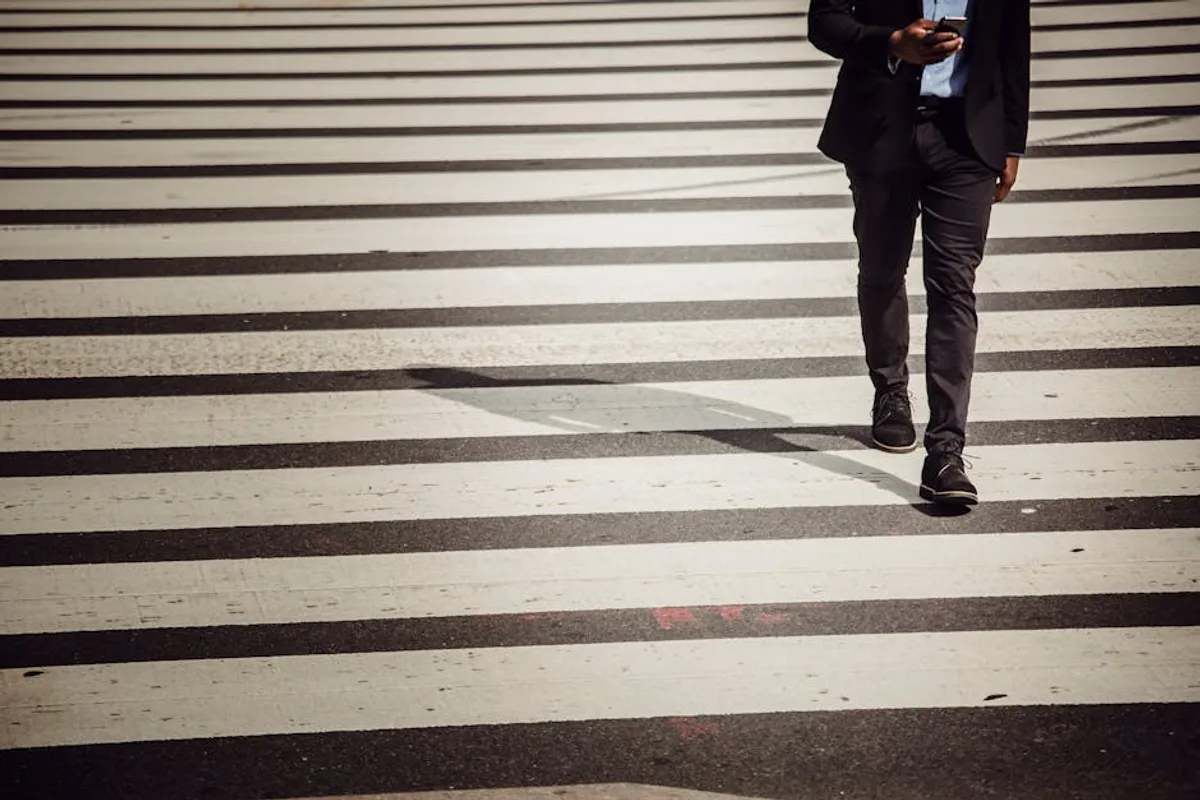
Street photography operates as a distinct visual discipline focused on capturing candid moments within public spaces. It is not merely about documenting urban environments; it's about observing human interaction, fleeting expressions, and the interplay of light, shadow, and composition that creates an authentic narrative. For SEO professionals, marketers, and content strategists, understanding the underlying mechanics of street photography offers a valuable framework for producing compelling visual assets that resonate with audiences seeking genuine, unposed content. This genre’s principles, when applied to commercial visual strategy, can elevate brand storytelling beyond staged imagery, fostering a deeper connection through perceived authenticity and real-world relevance.
Core Principles Driving Effective Street Photography
The efficacy of street photography hinges on several foundational principles that guide both the photographer's approach and the resulting image's impact. These are not rigid rules but rather conceptual pillars that define the genre's character.
- Candidness: The cornerstone of street photography. Images are captured without direct interaction or posing subjects, aiming to preserve the natural flow of life. This spontaneous quality is what lends authenticity, a highly valued trait in today’s content landscape.
- Observation and Anticipation: Successful street photographers are keen observers, noticing subtle details, gestures, and environmental cues. They develop an ability to anticipate moments before they fully unfold, positioning themselves to capture the "decisive moment" – a term coined by Henri Cartier-Bresson, referring to the split second when all elements align to create a powerful image.
- Composition and Context: Beyond simply pointing and shooting, street photography relies on strong compositional elements. This includes using leading lines, framing, reflections, and the interplay of light and shadow to create visual interest. The context of the public space – its architecture, signage, and atmosphere – often plays a significant role in the narrative of the photograph.
- Narrative Implication: While not always telling a complete story, effective street photographs often imply a narrative or evoke a feeling. They capture snippets of human experience that allow viewers to project their own understanding or curiosity onto the scene, fostering deeper engagement.
Technical Approaches and Gear Considerations
While the essence of street photography lies in observation, certain technical considerations and gear choices facilitate the capture of those fleeting moments with discretion and quality.
Camera and Lens Selection
The choice of equipment often prioritizes portability, speed, and discretion.
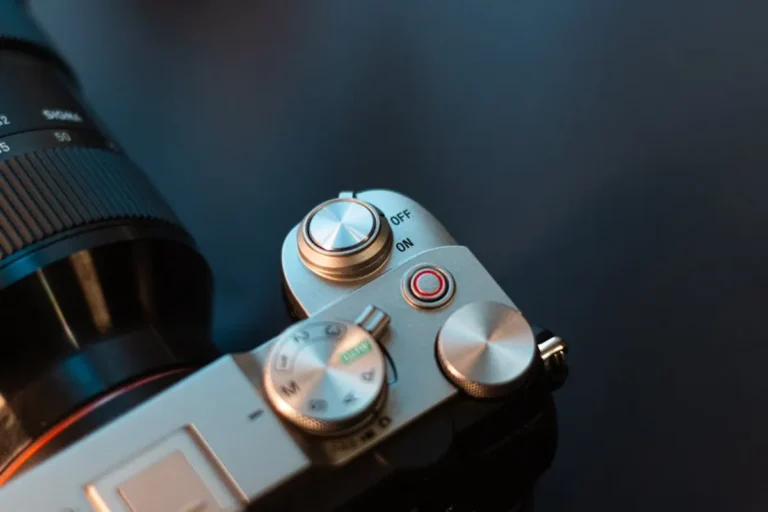
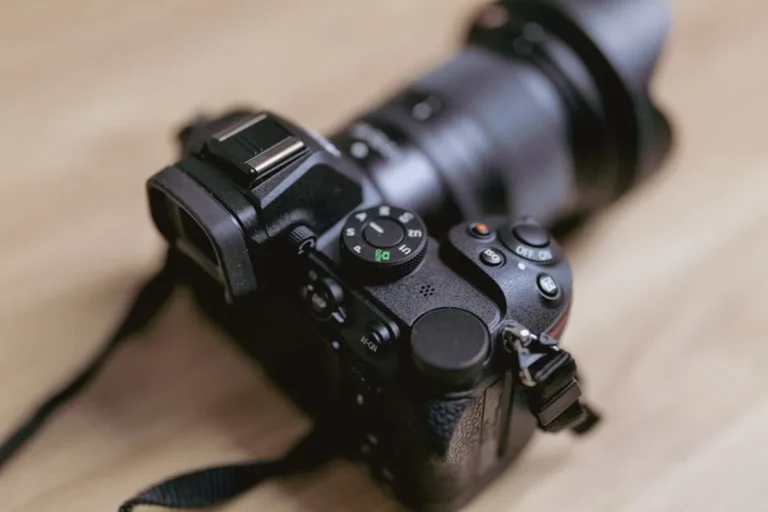
Best for discretion and speed: Compact mirrorless cameras with fast autofocus systems are frequently favored for their smaller size and quiet operation. Their electronic viewfinders (EVFs) can offer a "what you see is what you get" preview, aiding in quick adjustments.
Common lens choices: Prime lenses (fixed focal length) like a 35mm or 50mm are popular. A 35mm lens offers a natural field of view close to human vision, making it versatile for environmental portraits and wider scenes. A 50mm provides a slightly tighter perspective, ideal for isolating subjects. These primes are often smaller, lighter, and have wider apertures (e.g., f/1.8, f/2.0), allowing for shooting in lower light and achieving shallow depth of field to separate subjects from busy backgrounds.
Essential Camera Settings
Quick adjustment and pre-setting are key to capturing spontaneous moments.
- Aperture-Priority (Av/A) Mode: Many street photographers use this mode to control depth of field, often setting it to f/8 or f/11 for a wider depth of field to ensure more of the scene is in focus, particularly when pre-focusing.
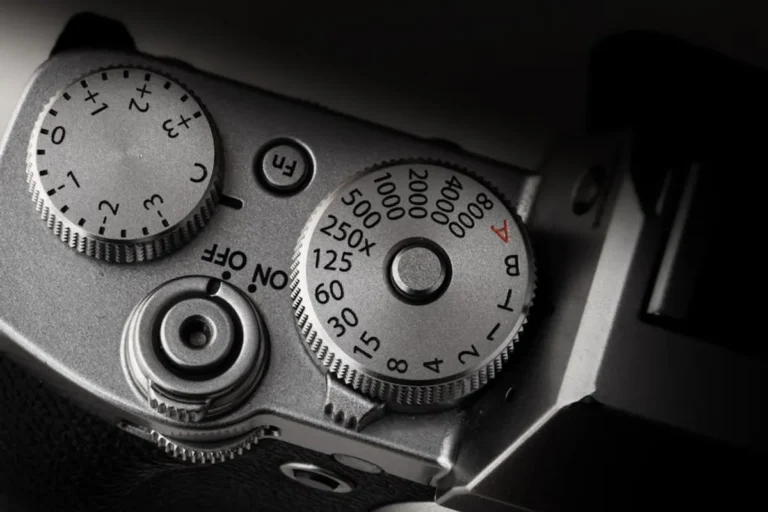
- Shutter Speed: A minimum of 1/250th of a second is generally recommended to freeze motion, especially for moving subjects. In brighter conditions, faster speeds are common.
- ISO: Kept as low as possible (e.g., ISO 100-400) in good light to maintain image quality. It can be increased in lower light, with modern cameras performing well up to ISO 3200 or 6400 without significant noise.
- Zone Focusing: A technique where the photographer pre-focuses their lens to a specific distance (e.g., 8-10 feet) and uses a narrower aperture to create a zone of acceptable sharpness. This allows for shooting without needing to acquire focus for every shot, significantly speeding up the process.
Pro Tip: To maintain discretion and blend into the environment, avoid drawing attention to your camera. Consider dressing neutrally, using a quiet shutter mode if available, and practicing "shooting from the hip" or pre-composing shots to minimize time spent looking through the viewfinder. The goal is to be an observer, not a spectacle.
Ethical and Legal Considerations for Commercial Use
While street photography often thrives on its candid nature, its application in commercial contexts introduces important ethical and legal distinctions, particularly concerning privacy and usage rights.
In public spaces, individuals generally have no reasonable expectation of privacy when their image is captured for artistic or journalistic purposes. However, this changes significantly when photographs are intended for commercial use, such as advertising, marketing, or product promotion. For commercial applications, obtaining a model release from identifiable individuals is typically required. A model release is a legal document signed by the subject (or their guardian) granting permission for their image to be used for commercial purposes.
Similarly, property releases may be necessary if distinctive private property (e.g., unique architecture, copyrighted artwork) is a prominent feature in an image intended for commercial use. Understanding these distinctions is crucial for marketers and content creators to avoid legal complications and ensure ethical sourcing of visual content.
Commercial Applications and Strategic Value
The principles and aesthetic of street photography offer significant commercial utility, particularly in an era where consumers value authenticity and transparency from brands.
- Authentic Brand Storytelling: Street photography's candid nature provides a powerful tool for brands to tell stories that feel genuine and relatable. Instead of highly polished, artificial imagery, brands can use street-style visuals to showcase products in real-world scenarios, document company culture, or illustrate community engagement. This approach builds trust and resonates more deeply with audiences.
- Engaging Content Marketing: For blogs, social media, and digital campaigns, street-style imagery can break through the noise of conventional stock photos. Its raw, unposed quality captures attention and encourages engagement, making content more shareable and memorable. This is particularly effective for lifestyle brands, travel companies, or organizations focused on human-centric narratives.
- Documenting Events and Experiences: Beyond product shots, street photography techniques are invaluable for capturing the atmosphere, energy, and human interaction at events, conferences, or public activations. These visuals provide a rich, dynamic record that traditional event photography might miss, offering a more immersive perspective for post-event marketing.
- Niche Stock Photography: There is a growing demand for authentic, non-staged stock photography. Images that embody the street photography aesthetic—real people, real places, real moments—can fill this gap, offering a valuable revenue stream for photographers and a unique resource for marketers.
Integrating Street Photography Principles into Visual Content Strategy
Adopting the mindset of a street photographer can significantly enhance a brand's visual content strategy. Focus on capturing genuine interactions, observing details that tell a story, and understanding how light and environment influence mood. Prioritize authenticity over perfection, and encourage visual content creators to seek out moments that reflect the true spirit of a brand or message. This shift moves beyond static product shots to create a dynamic visual language that connects with audiences on a more human level, ultimately fostering stronger brand loyalty and engagement.
Frequently Asked Questions
What is the best camera for street photography?
There isn't a single "best" camera. Many prefer compact mirrorless cameras for their discretion and portability, often paired with a fast prime lens like a 35mm or 50mm. The most important factor is a camera you are comfortable using quickly and unobtrusively.
Is it legal to photograph people in public?
Generally, yes. In most public spaces, individuals do not have a reasonable expectation of privacy, meaning you can photograph them. However, if the image is intended for commercial use (e.g., advertising), a model release from identifiable subjects is typically required to avoid legal issues.
How do I overcome the fear of photographing strangers?
Start by practicing in busy areas where you are less likely to be noticed. Begin by focusing on environmental shots or capturing people from a distance. Gradually move closer as you gain confidence. Pre-setting your camera and knowing your gear well reduces hesitation. Remember that most people are preoccupied and will not notice or mind being photographed.
What makes a good street photograph?
A strong street photograph typically features candidness, compelling composition, and a sense of narrative or emotion. It often captures a "decisive moment" where all elements align to create an impactful image, telling a story or evoking a feeling without explicit explanation.