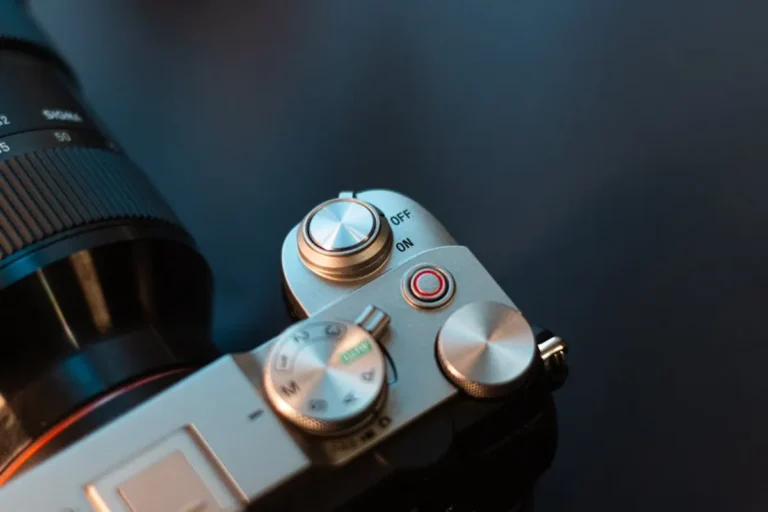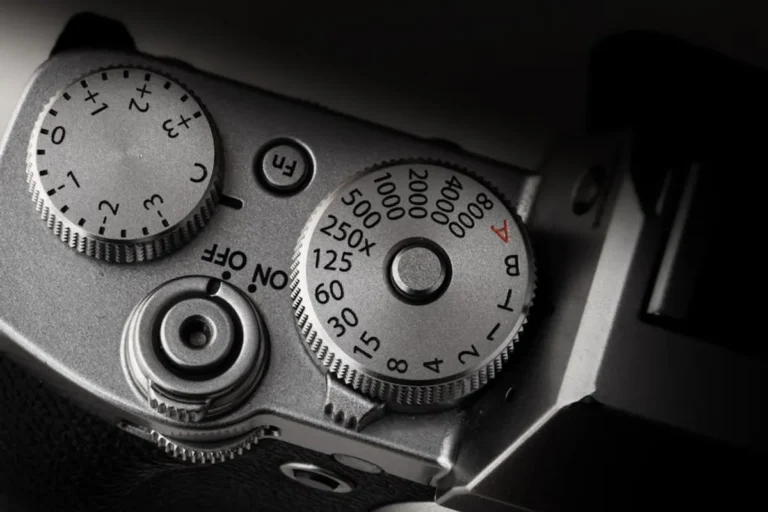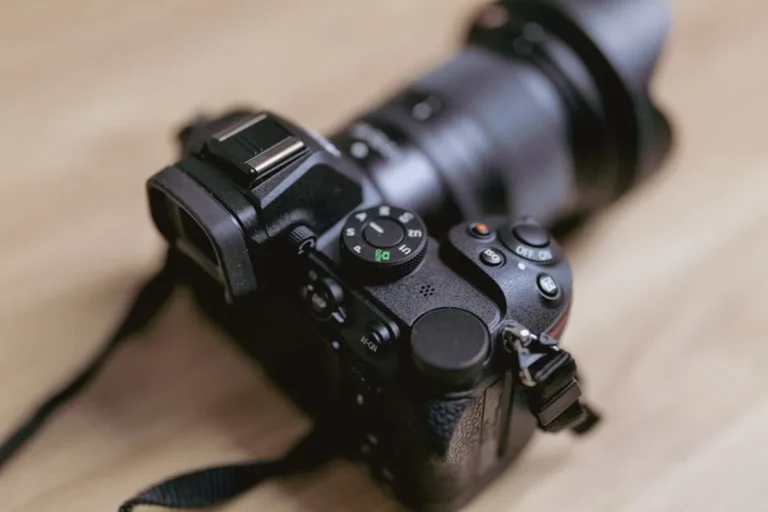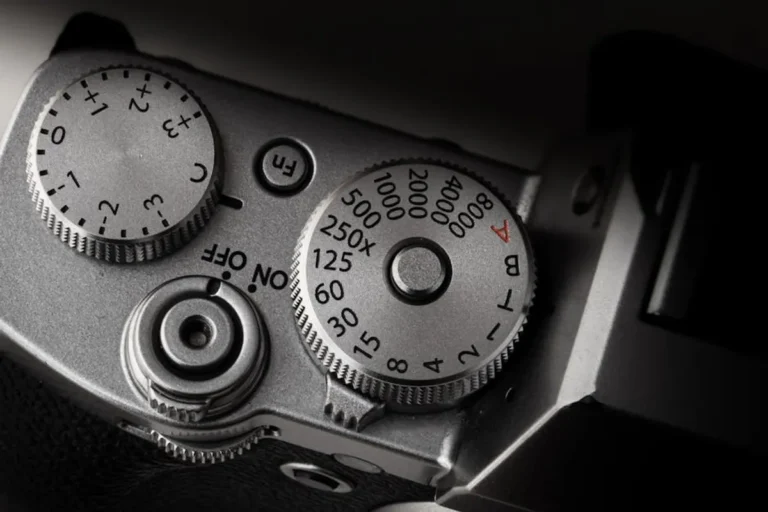
Photographic success, particularly in commercial contexts, hinges on precision. While creative vision is paramount, the technical foundation laid by correct camera settings directly impacts image quality, workflow efficiency, and ultimately, client satisfaction. Mistakes in configuration don't just lead to suboptimal images; they can result in lost time, costly reshoots, and a diminished professional reputation. Understanding and avoiding common camera setting errors is not merely about technical proficiency—it is a commercial imperative.
Exposure Control Missteps
Exposure is the bedrock of any photograph. Incorrect exposure settings can render an image unusable or demand extensive, time-consuming post-processing that erodes profitability.
Unbalanced Exposure Triangle (ISO, Aperture, Shutter Speed)
The exposure triangle represents the interdependent relationship between ISO, aperture, and shutter speed. A common mistake is adjusting one setting in isolation without considering its impact on the others, leading to an unbalanced exposure.
- High ISO in Bright Light: Unnecessarily increasing ISO introduces digital noise, degrading image quality, especially in shadows. This can make images appear grainy and unprofessional, requiring noise reduction in post-production, which often softens details.
- Incorrect Aperture for Depth of Field: Using a wide aperture (e.g., f/1.8) when a deep depth of field is required (e.g., group portraits, landscape) results in only a portion of the scene being in focus. Conversely, a narrow aperture (e.g., f/16) in low light might necessitate a very slow shutter speed or high ISO, leading to motion blur or noise.
- Unsuitable Shutter Speed: A shutter speed too slow for the subject's movement or camera shake introduces blur. For commercial product photography, this can lead to soft, indistinct details, while for event photography, it means missed decisive moments.
Commercial Impact: Unbalanced settings produce images that are either too dark, too bright, noisy, or blurry, often requiring extensive and costly retouching, or rendering the images unsalvageable for client delivery.
Over-Reliance on Program/Auto Modes
While convenient, automatic and program modes delegate critical creative and technical decisions to the camera's internal algorithms. These algorithms prioritize a "correct" exposure but often fail to account for specific artistic intent or commercial requirements.
Commercial Impact: This leads to inconsistent results across a shoot, a lack of creative control over depth of field or motion blur, and images that may not align with a client's brand guidelines or desired aesthetic. Professional work demands deliberate control over every aspect of the image.
Inappropriate Metering Mode Selection
Your camera's metering system determines how it measures light to calculate exposure. Using the wrong metering mode can lead to incorrectly exposed key subjects, especially in challenging lighting conditions.
- Evaluative/Matrix Metering: Good for general scenes, but can be fooled by very bright or dark backgrounds, leading to underexposed or overexposed subjects.
- Center-Weighted Metering: Useful for portraits where the subject is centrally located, but less precise than spot metering.
- Spot Metering: Essential for precise exposure of a small, critical area (e.g., a bride's white dress against a dark background), but requires careful placement.
Commercial Impact: Incorrect metering results in subjects that are either too dark (lost detail in shadows) or too bright (blown-out highlights), making the image commercially unviable without significant, often difficult, post-processing.
Focus and Sharpness Blunders
A sharp, in-focus image is non-negotiable for commercial photography. Mistakes here directly impact the perceived quality and professionalism of your work.
Misunderstanding Autofocus Area and Mode
Modern cameras offer various autofocus (AF) modes and area selections. Misapplying these can lead to missed focus on the primary subject.
- Single-Shot AF (AF-S/One-Shot AF): Locks focus once. Ideal for stationary subjects like portraits or still life. Using this for moving subjects will result in blurry images as the subject shifts.
- Continuous AF (AF-C/AI Servo AF): Continuously tracks a moving subject. Essential for sports, wildlife, or dynamic events. Using AF-S here guarantees missed shots.
- Incorrect AF Area Mode: Using a wide-area AF mode when precise focus on a small detail is needed can result in the camera focusing on the background or foreground instead of the intended subject.
Commercial Impact: Out-of-focus images are unusable. This translates directly to lost client opportunities, wasted shoot time, and potentially the need for costly reshoots.
Incorrect Aperture for Desired Depth of Field
Aperture controls not only exposure but also the depth of field—the portion of the image that appears acceptably sharp. A common mistake is not consciously selecting an aperture that serves the creative and commercial intent.
Commercial Impact: For product photography, insufficient depth of field might mean only part of the product is sharp, failing to showcase its features. For brand imagery, an overly shallow depth of field might blur out important contextual elements. This compromises the clarity and commercial message of the photograph.
Overlooking or Misusing Image Stabilization
Image stabilization (IS) systems, whether in-lens or in-body, reduce blur caused by camera shake. However, they are not a panacea and can be misused.
Commercial Impact: Forgetting to engage IS in low light or with long lenses can lead to soft, blurry images. Conversely, leaving IS on when the camera is mounted on a tripod can sometimes introduce subtle blur or instability, as the system tries to correct non-existent movement. This results in images that lack critical sharpness, undermining their commercial value.
Color and Tonal Accuracy Errors
Accurate color representation is crucial for commercial photography, especially for products, fashion, and branding. Inaccuracies can misrepresent items and confuse consumers.
Defaulting to Auto White Balance in Mixed Lighting
Auto White Balance (AWB) attempts to neutralize color casts, but it struggles in complex or mixed lighting conditions (e.g., natural light combined with artificial light). This can lead to inconsistent and inaccurate colors across a series of images.
Commercial Impact: Inconsistent color temperature across a product line or event gallery creates a disjointed and unprofessional look. Correcting varied color casts in post-production is a labor-intensive process, eating into profit margins and potentially compromising color fidelity.
Choosing JPEG Over RAW for Critical Work
JPEG files are processed by the camera, compressing data and applying settings like white balance, sharpening, and color profiles permanently. RAW files, conversely, contain all the data captured by the sensor, offering maximum flexibility for adjustments.
Commercial Impact: Shooting JPEG for commercial work severely limits post-processing flexibility. Recovering blown-out highlights or deep shadows is significantly harder, and color corrections are less precise. This can lead to images that cannot be adequately corrected to meet client specifications, resulting in rejection or increased post-production costs.
Neglecting Picture Styles or Color Profiles
Many cameras offer "Picture Styles" or "Color Profiles" that apply specific looks (e.g., Standard, Vivid, Neutral, Monochrome). While these can be useful, defaulting to one without consideration can lead to issues.
Commercial Impact: If shooting JPEG, these styles are baked into the image, potentially creating an aesthetic that doesn't align with the client's brand. Even with RAW, the in-camera preview is affected, which can mislead photographers during a shoot about the final output. This necessitates overriding the camera's interpretation in post, adding an unnecessary step.
Camera Configuration Oversights
Beyond the core exposure and focus settings, several other camera configurations can impact efficiency and the final deliverable.
Incorrect Drive Mode for the Subject
Drive modes control how the camera captures images (e.g., single shot, continuous low, continuous high, self-timer).
Commercial Impact: Using single-shot mode for fast-moving subjects (e.g., action shots, children's portraits) guarantees missed peak moments. Conversely, using continuous high for still subjects fills memory cards rapidly with redundant images, increasing culling time and storage needs.
Overlooking Custom Function Settings
Many professional cameras offer extensive custom function menus to tailor controls and behaviors. Ignoring these means missing opportunities to optimize the camera for your specific workflow.
Commercial Impact: Unoptimized custom settings can slow down your shooting process, make critical adjustments cumbersome, or prevent you from quickly accessing frequently used functions. This reduces efficiency on set and can lead to missed shots due to fumbling with controls.
Forgetting to Format Memory Cards Regularly
Formatting memory cards in-camera regularly (rather than just deleting images) ensures the card's file system is optimized for your camera and can prevent data corruption.
Commercial Impact: A corrupted memory card can lead to irretrievable images, a catastrophic failure for any commercial shoot. This risk translates to potential reshoots, severe client dissatisfaction, and damage to your professional reputation.
Pro Tip: Implement a pre-shoot checklist for every commercial assignment. This should include verifying ISO, aperture, shutter speed, white balance, autofocus mode, metering mode, drive mode, and ensuring memory cards are formatted and batteries are charged. A systematic approach minimizes oversight and ensures readiness for critical moments.
Refining Your Photographic Process
Avoiding these camera setting mistakes is an ongoing process of learning, practice, and critical self-evaluation. Regularly review your images with a discerning eye, not just for aesthetic appeal but for technical precision. Understand the specific demands of each commercial project and configure your camera accordingly, rather than relying on default or generalized settings. This deliberate approach ensures technical excellence, streamlines post-production, and consistently delivers high-quality results that meet and exceed client expectations.
Frequently Asked Questions
What is the most common camera setting mistake for beginners?
Over-reliance on automatic modes is a frequent initial mistake, as it limits creative control over exposure, depth of field, and motion blur, resulting in inconsistent or uninspired images.
How can I ensure consistent color accuracy across a commercial photoshoot?
To ensure consistent color, always shoot in RAW format, set a custom white balance using a gray card or color checker in mixed lighting, and consider using a color calibration tool for your monitor.
Why is it important to format memory cards in-camera instead of just deleting files?
Formatting a memory card in-camera rebuilds the card's file directory specifically for that camera, which helps prevent data corruption, ensures optimal card performance, and reduces the risk of losing images.
When should I use continuous autofocus (AF-C or AI Servo AF)?
Continuous autofocus is essential when photographing moving subjects, such as sports, wildlife, children playing, or models in motion, as it constantly adjusts focus to keep the subject sharp as they change position.