Street photography, by its very nature, thrives on spontaneity and observation. Yet, relying solely on impulse can lead to missed shots, technical frustrations, or ethical missteps. A structured checklist transforms potential chaos into confident execution, ensuring you're prepared for the unpredictable environment of the street. This isn't about rigid rules, but about establishing a baseline of preparedness—from essential gear to ethical considerations—that frees you to focus on the fleeting moments that define compelling street photography. It's the difference between reacting to problems and proactively capturing stories.
Essential Gear for the Street Photographer
While the mantra "the best camera is the one you have with you" holds truth, deliberate gear selection enhances capability and comfort during long periods of walking and waiting.
Camera Body Selection
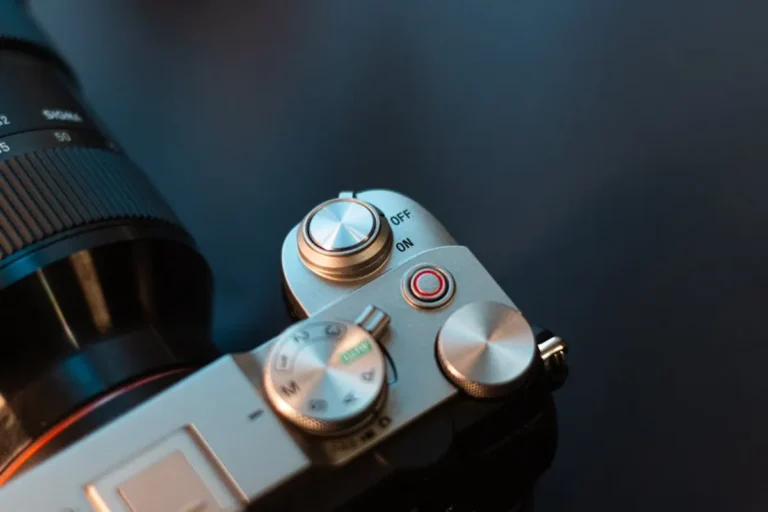
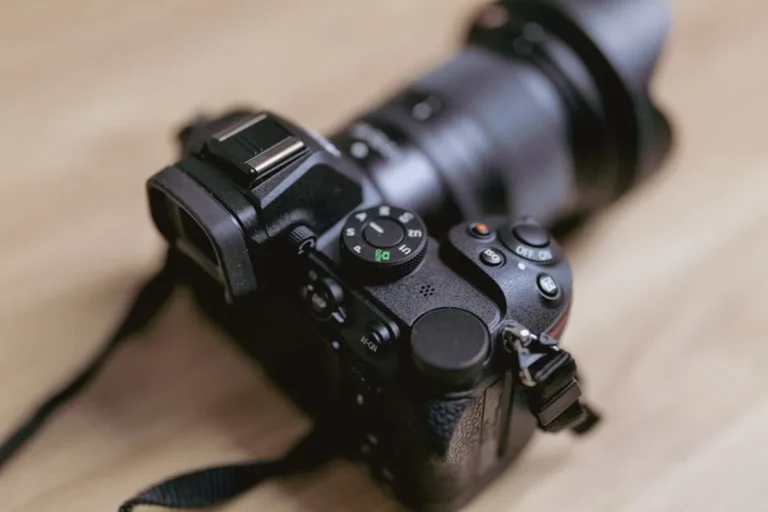
Prioritize discretion and speed. Smaller mirrorless cameras offer excellent image quality in a less obtrusive package compared to larger DSLRs. Look for bodies with fast autofocus, good low-light performance (ISO 3200-6400 is often necessary), and silent shutter options. A tilting or articulating screen can aid in unobtrusive framing from various angles.
Lens Choices
Prime lenses are often favored for their speed, sharpness, and compact size. Common focal lengths include:
- 28mm (Full-Frame equivalent): Offers a wider field of view, ideal for environmental portraits and capturing broader street scenes.
- 35mm (Full-Frame equivalent): A classic street photography focal length, providing a natural perspective close to human vision, versatile for both close-ups and wider shots.
- 50mm (Full-Frame equivalent): Excellent for isolating subjects and creating a sense of intimacy, though it requires slightly more distance from the subject.
A fast aperture (f/1.4, f/1.8, f/2.0) is crucial for low light and subject separation. If a zoom is preferred for flexibility, a compact 24-70mm f/2.8 or 24-105mm f/4 can cover a wide range, but be mindful of its size and weight.
Power & Storage Solutions
Reliability here is non-negotiable. Always carry at least two fully charged spare batteries. Modern mirrorless cameras, especially, can consume power quickly. For memory cards, use high-speed SD or CFexpress cards (V60 or V90 rating for video shooters, U3 for stills) with sufficient capacity (e.g., 64GB or 128GB). Carry at least one spare, formatted and ready for use.
Comfort & Security Accessories
A comfortable camera strap is vital. Many street photographers prefer a wrist strap for quick access or a minimalist neck strap that keeps the camera close. A small, nondescript bag (messenger or sling) can carry spare batteries, cards, a lens cloth, and personal items without drawing undue attention. Avoid large, bulky camera bags that signal "photographer at work."
Pre-Shoot Preparation: Strategy and Settings
Effective street photography begins before you even step out the door. Strategic preparation optimizes your time and reduces on-street fumbling.
Location & Weather Intelligence
Research your chosen area. What are the typical crowd patterns? Are there interesting architectural elements, natural light sources, or events happening? Check the weather forecast meticulously. Rain, harsh sun, or overcast conditions dictate clothing, gear protection, and potential photographic opportunities. Knowing your environment allows you to anticipate light and movement.
Camera Configuration
Before leaving, set your camera to a baseline. This eliminates guesswork when a moment presents itself. A common setup includes:
- Shooting Mode: Aperture Priority (Av/A) for controlling depth of field, or Manual (M) with auto ISO for full control.
- Aperture: Start with f/8 for sufficient depth of field in most street scenes, or wider (f/2.8-f/4) for subject isolation.
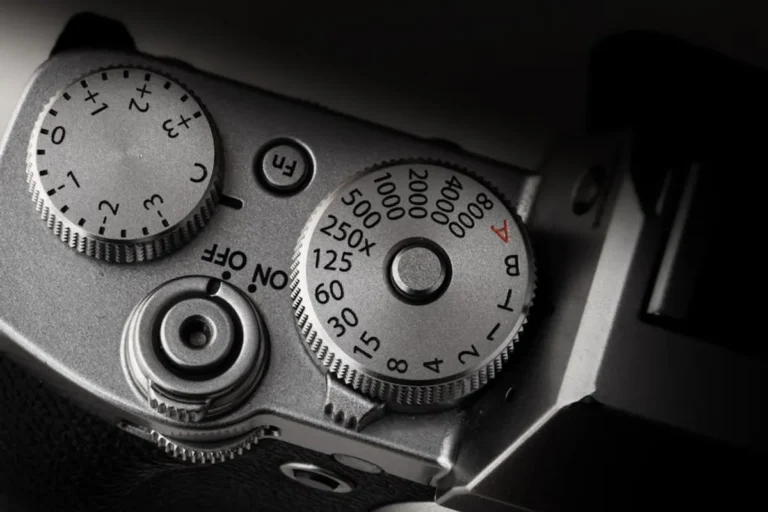
- Shutter Speed: Ensure it's fast enough to freeze motion (e.g., 1/250s or faster), especially if using auto ISO.
- ISO: Set to Auto ISO with a maximum limit (e.g., ISO 6400) to maintain image quality.
- Focus Mode: Single-point AF, often set to a central point, or continuous AF (AI Servo/AF-C) if tracking moving subjects. Zone focusing (pre-focusing to a specific distance) is also highly effective for candid shots.
- White Balance: Auto White Balance (AWB) works well in most situations, or set to a specific preset if conditions are consistent.
- File Format: RAW for maximum editing flexibility.
Legal & Ethical Groundwork
Understand the laws regarding photography in public spaces in your region. Generally, you can photograph anything visible from a public place, but laws vary regarding privacy and commercial use. More critically, consider the ethical implications. While legal, is it always right? A moment's consideration can prevent discomfort for subjects and yourself.
Pro Tip: Always prioritize respect and safety. If a subject asks you not to take their photo, or to delete one you've taken, comply courteously. A polite apology and immediate action preserve goodwill and prevent escalation, ensuring the street remains a welcoming space for photographers.
On-Street Execution: Capturing Moments Ethically
With preparation complete, your focus shifts to observation, anticipation, and respectful interaction.
Anticipating the Frame
Street photography is less about pointing and shooting, and more about waiting for elements to align. Look for interesting light, strong compositions (lines, shapes, patterns), and human interaction. Position yourself, set your camera, and wait for the right subject to enter your frame. This requires patience and a keen eye for fleeting opportunities.
Interaction & Respect
Some street photographers prefer to be invisible, while others engage with their subjects. Neither approach is universally superior, but both demand respect. If you choose to interact, do so genuinely and politely. A smile or a nod can go a long way. If you prefer to be discreet, avoid aggressive or confrontational behavior. Your presence should not disrupt or exploit the scene you are observing.
Post-Shoot Workflow: Securing Your Captures
The work doesn't end when you leave the street. A robust post-capture workflow protects your images and prepares them for editing and sharing.
Immediate Backup: As soon as possible, transfer your images to at least two separate storage devices (e.g., external hard drive and cloud storage). Memory cards are not long-term storage. This minimizes the risk of data loss from card corruption or accidental deletion.
Initial Review & Culling: Review your images critically. Delete obvious out-of-focus shots, duplicates, or those that don't meet your creative vision. This streamlines your editing process and saves storage space. Be ruthless but fair; a good street photograph often has imperfections.
Basic Editing: Apply basic adjustments like exposure, contrast, white balance, and cropping. Street photography often benefits from black and white conversions to emphasize form, texture, and emotion without color distractions. Maintain a consistent aesthetic if building a portfolio.
Sharing & Archiving: Share your best work on platforms appropriate for your goals (e.g., personal website, social media, photography communities). For long-term archiving, use a structured folder system with clear naming conventions (e.g., YYYY-MM-DD_Location_ProjectName).
Refining Your Street Photography Practice
This checklist provides a foundational framework, but street photography is an evolving practice. Regularly review your gear choices, refine your pre-shoot routines, and reflect on your on-street experiences. Pay attention to what works, what doesn't, and what makes you feel most comfortable and effective. Adapt this checklist to your personal style and local conditions. The goal is to make preparation second nature, allowing your creative intuition to take over when it matters most.
Frequently Asked Questions
What's the single most important item for street photography?
While gear is important, the most critical "item" is your mindset: a combination of keen observation skills, patience, and an ethical approach to your subjects. Technically, a reliable camera with a versatile prime lens (like a 35mm equivalent) and spare batteries are indispensable.
How do I overcome shyness when photographing strangers?
Start by photographing from a distance, or focus on scenes where people are part of a larger composition. Gradually, try to get closer. Practice makes it easier. Remember that most people are engrossed in their own lives and won't notice or care. If they do, a polite smile or nod can diffuse any tension.
What are the best camera settings for street photography?
A common starting point is Aperture Priority mode (Av/A) with an aperture of f/8 (for depth of field), Auto ISO with a maximum limit of ISO 6400, and a minimum shutter speed of 1/250s to freeze motion. Adjust these based on available light and your creative intent.
Is street photography legal everywhere?
In most public spaces, photography is legal. However, laws vary by country and region regarding privacy, commercial use of images, and photographing on private property visible from public areas. Always be aware of local regulations and, when in doubt, err on the side of caution and respect.