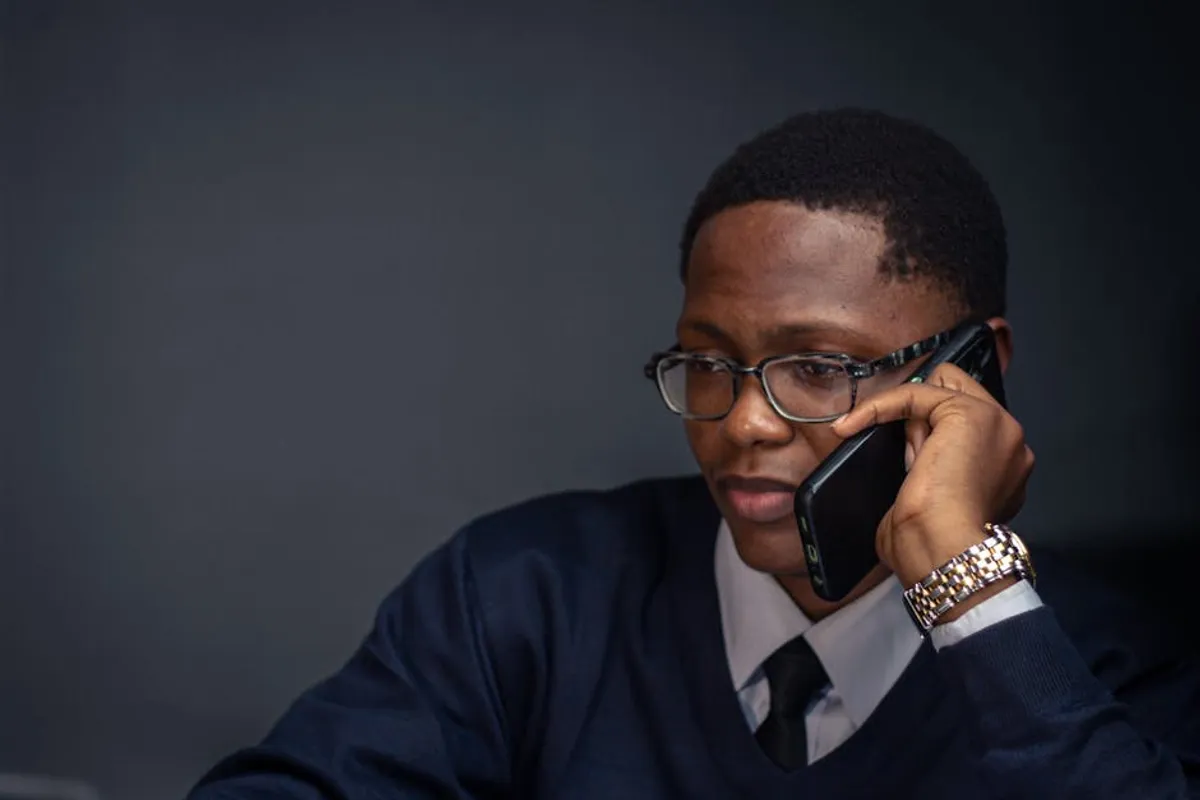
Portrait photography, at its core, involves capturing the likeness, personality, and mood of a person or group. Beyond simply documenting an appearance, effective portraiture communicates a narrative, evokes an emotion, or establishes a brand identity. For businesses, personal brands, and marketing efforts, a well-executed portrait serves as a critical visual asset, conveying professionalism, approachability, or authority. Understanding the mechanics behind successful portrait photography means grasping the interplay of technical choices, creative decisions, and the subtle art of subject interaction. Understanding the mechanics behind successful portrait photography means grasping the interplay of technical choices, creative decisions, and the subtle art of subject interaction, which are all key to the best practices for portrait photography.
Understanding the Foundation of Portrait Photography
The objective of portrait photography extends beyond a mere snapshot. It aims to reveal something about the subject, often within a specific context. This could be a corporate headshot designed to project competence, a family portrait capturing warmth and connection, or a fashion editorial image conveying a particular aesthetic. The commercial value lies in its ability to influence perception, build trust, and create a memorable visual representation. Achieving this requires a deliberate approach to equipment, lighting, composition, and post-production.
Essential Gear for Effective Portraits
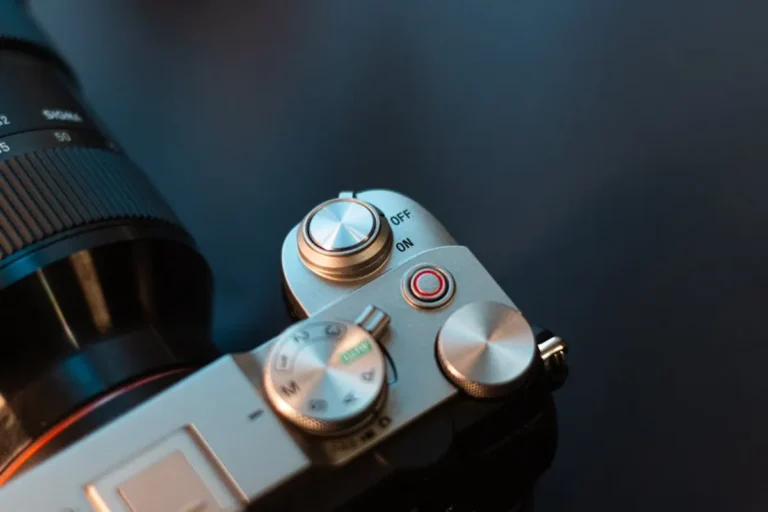
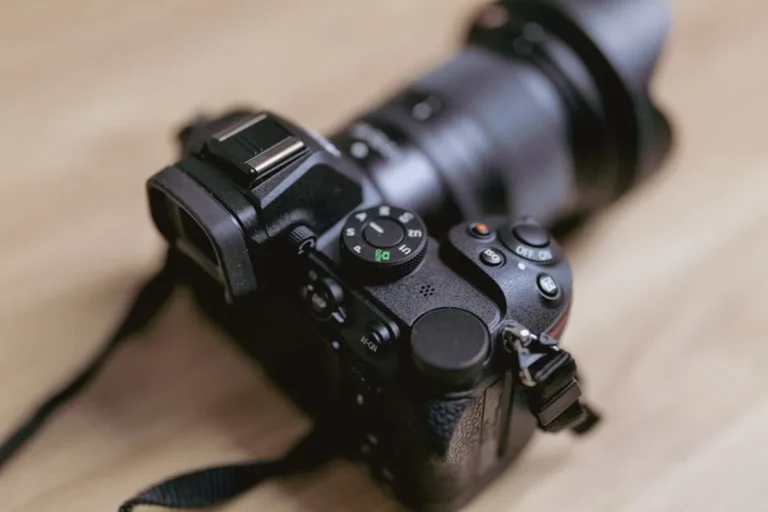
While exceptional portraits can be made with minimal equipment, specific tools streamline the process and expand creative possibilities. The primary components include the camera body, lenses, and lighting equipment.
- Camera Bodies: Full-frame cameras generally offer superior low-light performance and greater control over depth of field compared to crop-sensor models, which is beneficial for isolating subjects with pleasing background blur. However, modern crop-sensor cameras can also produce excellent results, particularly with high-quality lenses.
- Lenses: Prime lenses (fixed focal length) are often preferred for portraits due to their wider apertures (e.g., f/1.4, f/1.8, f/2.8), which allow for significant background blur (bokeh) and better low-light capability. Common focal lengths include 50mm, 85mm, and 135mm on a full-frame sensor, each offering a distinct perspective and compression. Zoom lenses like a 70-200mm f/2.8 provide versatility, allowing photographers to adjust framing without changing position, which can be advantageous in dynamic situations.
- Lighting Equipment: This ranges from natural light modifiers (reflectors, diffusers) to artificial light sources. Strobes (flash units) provide powerful, consistent light, often used with light modifiers like softboxes, octaboxes, or umbrellas to shape and soften the light. Continuous lights are useful for video and for beginners who prefer to see the light's effect in real-time.
Mastering Light and Shadow
Light is the fundamental element shaping a portrait. Its direction, quality, and intensity dictate the mood, dimension, and overall impact of the image. Understanding how to manipulate light is crucial for creating compelling portraits.
Key Lighting Patterns
Specific lighting patterns are used to sculpt the face and highlight features:
Rembrandt Lighting: Characterized by a small triangle of light on the cheek opposite the main light source, created by the shadow of the nose meeting the shadow of the cheek. This pattern adds drama and dimension.
Butterfly Lighting: Positions the main light directly in front of and slightly above the subject, creating a small, butterfly-shaped shadow beneath the nose. This is often used for a glamorous or classic look, emphasizing cheekbones.
Loop Lighting: Similar to Rembrandt, but the nose shadow is smaller and angled, not connecting to the cheek shadow. It offers a softer, less dramatic feel than Rembrandt.
Split Lighting: Divides the face into two halves, with one side brightly lit and the other in shadow. This creates a strong, dramatic effect.
Understanding Light Quality
Hard Light: Produced by small, direct light sources (e.g., bare flash, direct sun). It creates sharp, well-defined shadows and high contrast, often used for dramatic or edgy portraits.
Soft Light: Produced by large, diffused light sources (e.g., overcast sky, large softbox). It creates gradual transitions between light and shadow, minimizing harsh lines and often preferred for flattering, natural-looking portraits.
Pro Tip: When working with natural light, position your subject near a large window or in open shade. This provides a naturally soft and flattering light source, simplifying initial lighting setups and allowing you to focus on expression and composition.
Compositional Techniques for Impact
Composition refers to the arrangement of elements within the frame. Effective composition guides the viewer's eye and enhances the narrative of the portrait.
Rule of Thirds: Placing the subject or key elements along the intersecting lines or at the intersection points of a tic-tac-toe grid superimposed over the image. This often creates a more balanced and engaging composition than centering the subject.
Leading Lines: Using natural or artificial lines within the environment to draw the viewer's eye towards the subject. This adds depth and direction.
Negative Space: The empty space around the subject. Strategic use of negative space can emphasize the subject, create a sense of scale, or convey mood and isolation.
Framing: Using elements within the scene (e.g., doorways, tree branches) to create a natural frame around the subject, drawing attention to them.
Posing and Expression: Guiding the subject into natural, comfortable poses that flatter their form and convey the desired emotion. Genuine expressions are paramount; achieving them often involves establishing rapport and clear communication.
Post-Processing: Refining the Image
Post-processing is an integral part of modern portrait photography, allowing for enhancement, correction, and stylistic refinement. This stage ensures the final image aligns with the client's vision and technical standards.
Basic Adjustments: This includes correcting exposure, adjusting contrast, refining white balance for accurate colors, and sharpening the image. These foundational edits establish the image's overall quality.
Retouching: Involves subtle enhancements such as smoothing skin texture without making it look artificial, brightening eyes, and addressing minor blemishes or stray hairs. The goal is often to refine, not alter, the subject's appearance, maintaining authenticity.
Color Grading: Applying a consistent color palette and tone to the image or series of images. This contributes significantly to the mood and overall aesthetic, establishing a distinctive style or brand identity.
Optimizing Your Portrait Workflow
Successful portrait photography relies on a systematic approach from initial concept to final delivery. This includes pre-shoot planning, efficient capture, and a streamlined post-production process. Understanding client needs, scouting locations, and testing lighting setups beforehand can prevent issues during the shoot. During the session, clear communication with the subject and meticulous attention to detail regarding focus, exposure, and composition are paramount. Post-processing should be approached with a clear vision, ensuring consistency and delivering a polished final product that meets commercial and artistic objectives.
Frequently Asked Questions About Portrait Photography
What is the most versatile lens for portrait photography?
An 85mm f/1.8 or f/1.4 prime lens is often considered highly versatile for full-frame cameras, offering excellent background separation, sharp focus, and a flattering perspective for facial features. A 70-200mm f/2.8 zoom lens also provides significant flexibility, especially for varying distances and compositions.
How important is background blur (bokeh) in portraits?
Background blur is crucial for isolating the subject from distracting elements in the environment, directing the viewer's attention specifically to the person. A pleasing bokeh contributes to a professional and aesthetically appealing portrait, enhancing depth and dimension.
Should I use natural light or artificial light for portraits?
Both natural and artificial light sources are effective, and the choice depends on the desired effect and available resources. Natural light can create soft, organic looks, while artificial light offers precise control over direction, intensity, and quality, allowing for more consistent and stylized results, especially in studio settings.
What is the best way to make subjects comfortable during a shoot?
Building rapport through conversation, providing clear and gentle posing guidance, and demonstrating enthusiasm are key. Explaining what you're doing and showing them a few good shots can also increase their confidence and lead to more natural expressions.