Understanding portrait photography moves beyond simply pointing a camera at a person; it involves a deliberate artistic and technical process aimed at capturing a subject's essence, personality, or a specific narrative. For photographers, mastering this discipline translates directly into commercial viability, allowing for specialized service offerings from corporate headshots to nuanced lifestyle shoots. For clients, discerning a photographer's approach to portraiture is crucial for ensuring the final images align with their specific usage requirements, whether for professional branding, personal milestones, or artistic expression. This overview breaks down the core elements and commercial considerations that define effective portrait photography, providing a framework for both practitioners and those seeking their services.
Foundational Elements of Effective Portraiture
Successful portrait photography relies on a synergy of technical skill and interpersonal connection. Each element contributes to the final image's impact and commercial utility.
Lighting Techniques and Their Impact
Lighting fundamentally shapes the mood, dimension, and focus within a portrait. Understanding its application is critical for achieving desired outcomes.
- Natural Light: Often preferred for its soft, organic quality, natural light sources like window light or open shade can create flattering, realistic portraits. Its availability and quality are highly variable, requiring photographers to adapt to changing conditions.
- Artificial Light: Studio strobes, continuous LED lights, and speedlights offer precise control over intensity, direction, and color temperature. This allows for consistent results across multiple sessions and the creation of dramatic or high-key effects not possible with natural light alone.
- Light Modifiers: Reflectors, diffusers, softboxes, and umbrellas are essential tools for shaping and softening light. They can fill shadows, reduce harshness, or create specific catchlights in the subject's eyes, enhancing the perceived quality of the light.
Composition and Framing for Visual Storytelling
Composition dictates how elements are arranged within the frame, guiding the viewer's eye and reinforcing the portrait's message. Effective framing isolates the subject and eliminates distractions.
Key compositional considerations:
- Rule of Thirds: Placing the subject or key elements along intersecting lines or at their junctions creates a balanced yet dynamic image.
- Leading Lines: Using natural or artificial lines within the environment to draw attention towards the subject.
- Negative Space: Utilizing empty areas around the subject to emphasize their presence and create a sense of calm or isolation.
- Depth of Field: Manipulating aperture to control how much of the scene is in focus, often using shallow depth of field to isolate the subject from a blurred background (bokeh).
Posing and Expression: Eliciting Authentic Moments
Posing goes beyond static stances; it involves guiding a subject to convey emotion, confidence, or a specific narrative. Authentic expressions are paramount.
Approach to posing:
- Directed Posing: Providing specific instructions for body language, hand placement, and head tilt to achieve a desired aesthetic, common in corporate or fashion portraits.
- Natural Posing: Encouraging movement and interaction to capture candid, unforced expressions, often seen in lifestyle or family photography.
Building rapport with the subject is crucial for eliciting genuine expressions, as comfort directly translates to naturalness in the final image.
Pro Tip: When directing subjects, explain the 'why' behind a pose or expression. For instance, instead of "tilt your head," try "tilt your head slightly to the left; it will soften your jawline and create a more approachable look." This builds trust and helps the subject understand the desired outcome, leading to more natural execution.
Diverse Applications of Portrait Photography
The commercial landscape for portrait photography is broad, catering to distinct client needs and usage contexts.
Corporate and Professional Headshots
These portraits are designed to convey professionalism, approachability, and competence for business profiles, websites, and marketing materials. They typically feature clean backgrounds, precise lighting, and a focus on the subject's face and upper torso.
Lifestyle and Personal Branding Portraits
Aimed at capturing subjects in natural settings, often performing activities or interacting with their environment. These portraits tell a story, reflecting a personal brand, family dynamic, or individual passion. The emphasis is on authenticity and narrative.
Environmental Portraits
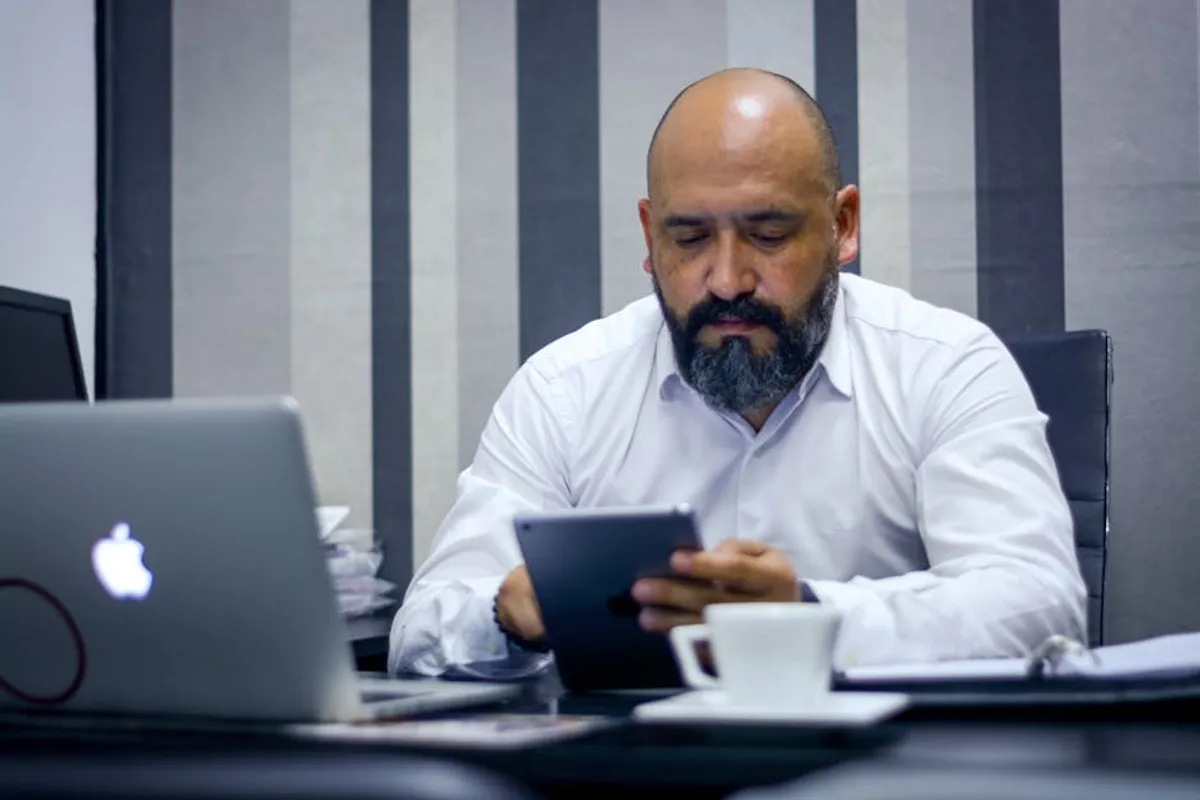
Placing the subject within their relevant environment—a chef in a kitchen, an artist in a studio, a CEO in their office—adds context and depth to their story. The setting becomes an integral part of the portrait, providing visual information about the subject's profession or interests.
Artistic and Conceptual Portraits
These portraits prioritize creative expression and often involve elaborate staging, costumes, or post-processing to convey a specific concept or emotion. They may not always adhere to traditional portraiture rules, pushing boundaries for artistic impact.
Essential Gear and Post-Processing Considerations
While gear does not define a photographer, appropriate tools facilitate specific creative and technical outcomes. Post-processing refines the captured image to its final presentation.
Camera and Lens Selection
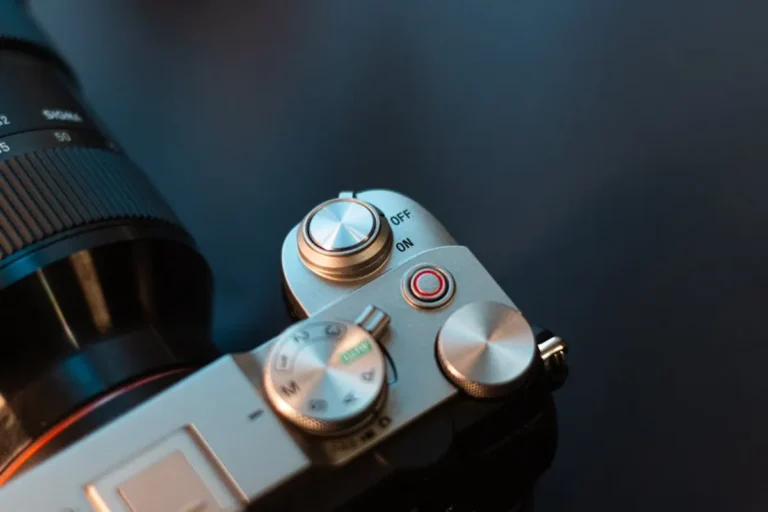
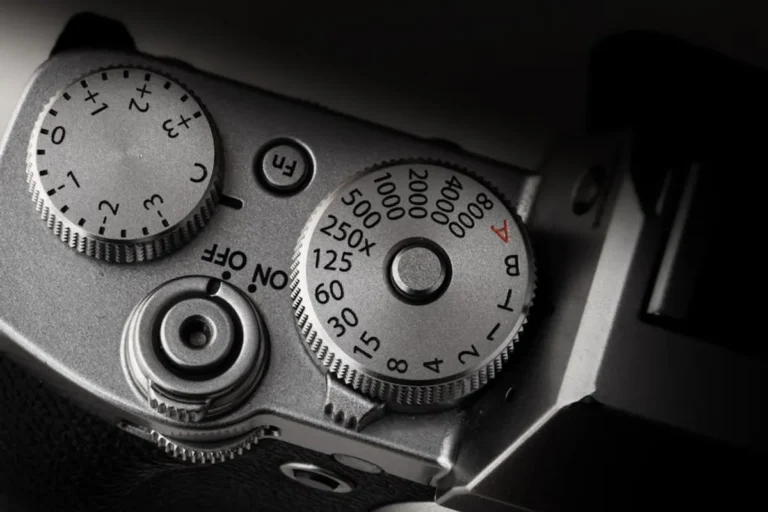
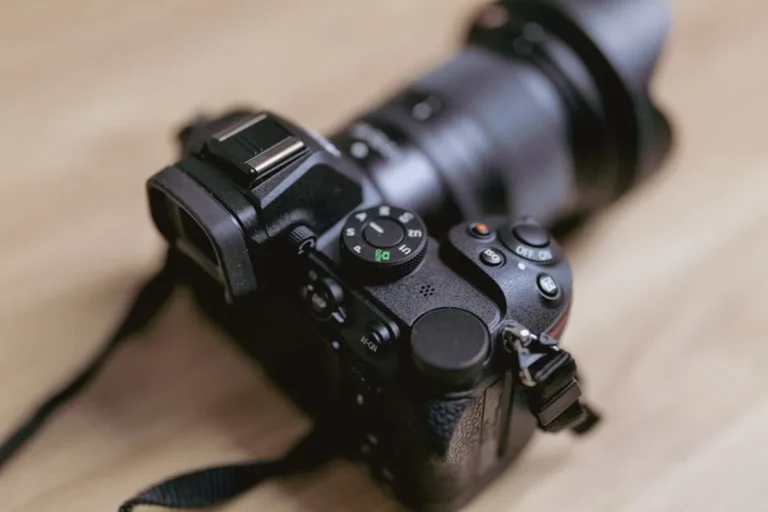
Camera bodies vary in sensor size, resolution, and low-light performance. Full-frame cameras often provide superior depth of field control and image quality, while crop-sensor cameras can offer extended reach with telephoto lenses.
Lenses:
- Prime Lenses (e.g., 50mm, 85mm, 135mm): Known for their wide apertures (f/1.2 - f/2.8), which allow for significant background blur and excellent low-light performance. They offer superior sharpness and are often preferred for classic portraits.
- Zoom Lenses (e.g., 24-70mm, 70-200mm): Provide versatility in focal length, allowing photographers to adapt to different shooting distances without changing lenses. While often having narrower maximum apertures than primes, they are efficient for dynamic shoots.
Lighting Equipment and Accessories
Beyond natural light, photographers often utilize external flashes, studio strobes, or continuous LED lights. Modifiers such as softboxes, beauty dishes, and grids shape the light, while backdrops, stands, and triggers complete the setup. The choice depends on portability needs, power requirements, and desired light quality.
Post-Processing Workflow
Digital image editing is an integral part of modern portrait photography, enhancing the raw capture to a polished final product.
Key post-processing steps:
- Exposure and Color Correction: Adjusting brightness, contrast, white balance, and color saturation to achieve a balanced and aesthetically pleasing image.
- Retouching: Addressing skin blemishes, stray hairs, and minor distractions. The goal is often to enhance natural beauty without creating an artificial appearance.
- Cropping and Compositional Refinement: Fine-tuning the frame to strengthen the subject's presence or remove distracting elements.
- Color Grading: Applying specific color palettes to evoke mood, create a consistent look across a series, or align with a client's brand guidelines.
Optimizing Your Portrait Photography Workflow
Developing a systematic approach to portrait sessions ensures consistency, client satisfaction, and efficient delivery.
Steps for an effective workflow:
- Pre-Visualization: Before the shoot, conceptualize the desired outcome, including lighting, posing, and mood. Share mood boards or reference images with clients to align expectations.
- Client Communication: Establish clear communication regarding shoot objectives, wardrobe, location, and delivery timelines. A detailed pre-shoot consultation minimizes misunderstandings.
- On-Set Direction: Provide clear, concise posing and expression guidance. Continuously review images on camera to make real-time adjustments and ensure the subject feels confident.
- Post-Production Efficiency: Implement a structured editing workflow. Use presets for consistent color grading and batch processing for repetitive tasks to streamline delivery.
- Delivery and Licensing: Present final images in an accessible format (e.g., online gallery). Clearly define usage rights and licensing terms to protect both the photographer and the client.
Frequently Asked Questions About Portrait Photography
What is the typical duration of a professional portrait session?
Session lengths vary significantly based on the type of portrait. A corporate headshot might take 30-60 minutes, while a comprehensive lifestyle or family session could range from 1.5 to 3 hours, allowing for wardrobe changes, location shifts, and building rapport.
How should I prepare for a portrait session?
Preparation typically involves discussing wardrobe choices with the photographer, ensuring clothing is clean and wrinkle-free, and arriving with appropriate hair and makeup. Hydration and adequate rest before the session can also significantly impact your appearance and energy.
What is the difference between candid and posed portraits?
Posed portraits involve direct instruction from the photographer to achieve a specific stance or expression. Candid portraits capture subjects in unscripted moments, often interacting naturally with their environment or others, resulting in a more spontaneous feel.
Can I use my portrait photos for commercial purposes?
The commercial use of portrait photos depends entirely on the licensing agreement established with your photographer. Always clarify usage rights upfront, as different licenses (e.g., personal use, limited commercial, full commercial) carry different fees and permissions.