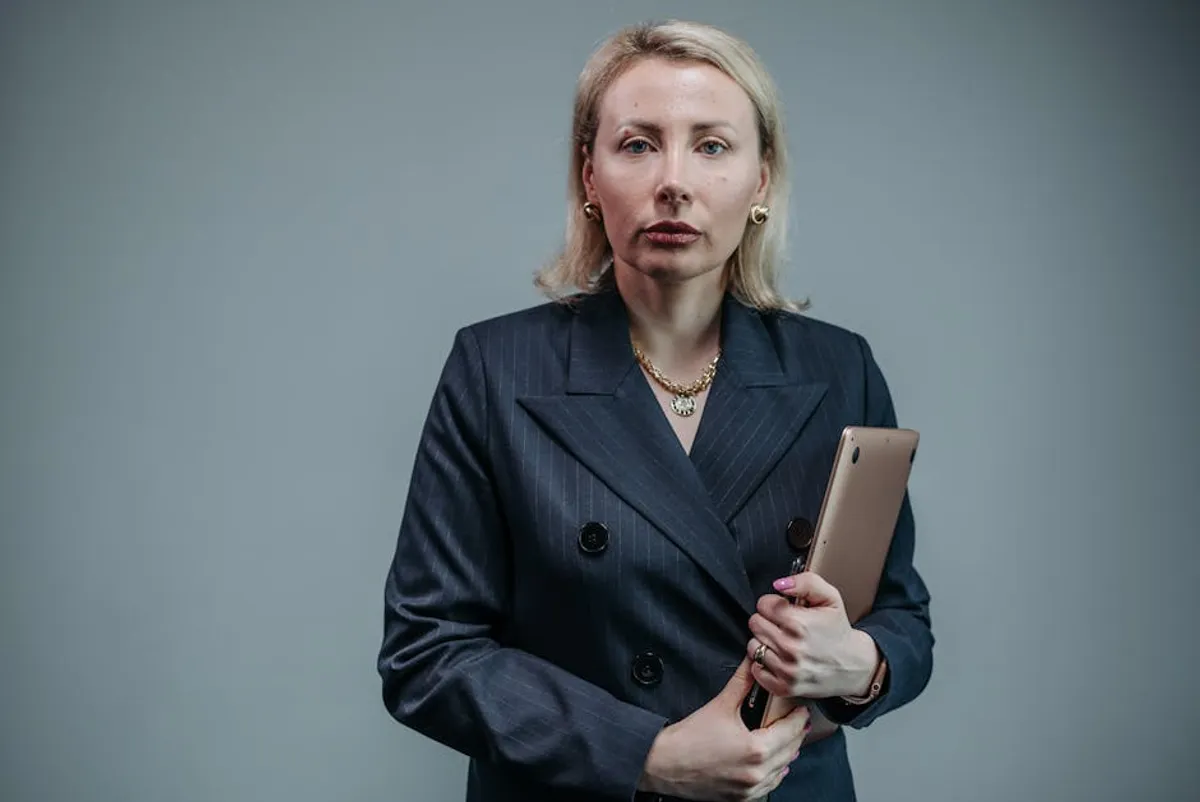
Effective portrait photography moves beyond simply capturing a likeness; it involves a deliberate process to convey emotion, personality, and the subject's essence. For photographers aiming to consistently deliver commercially viable and artistically compelling results, understanding and applying foundational best practices is non-negotiable. This involves strategic decisions from initial client interaction through to final image delivery, ensuring each portrait serves its intended purpose, whether for professional profiles, personal milestones, or editorial features. The goal is to produce images that resonate, meet client expectations, and stand out in a competitive visual landscape.
Strategic Lighting Application
Lighting forms the foundation of any successful portrait, dictating mood, dimension, and detail. Mastery involves understanding both natural and artificial light sources and how to manipulate them effectively.
Utilizing Natural Light
Natural light, particularly during the "golden hours" shortly after sunrise or before sunset, provides soft, diffused illumination that flatters subjects and minimizes harsh shadows. Overcast days also offer a large, soft light source akin to a giant softbox. Position subjects to face the light source directly for even illumination, or use side lighting to introduce contour and depth. Reflectors (silver for punchier light, gold for warmth, white for subtle fill) are essential tools to bounce light back into shadow areas, reducing contrast and revealing detail without adding artificial sources.
Controlling Artificial Light
Studio strobes or continuous LED lights offer precise control over direction, intensity, and quality. A common setup involves a key light positioned at a 45-degree angle to the subject for primary illumination, a fill light (often at lower power or with a larger modifier) to soften shadows on the opposite side, and a hair or rim light placed behind the subject to separate them from the background. Modifiers like softboxes, octaboxes, and beauty dishes shape the light, creating specific effects from broad, soft illumination to more dramatic, focused beams. Understanding the inverse square law helps predict light fall-off and position lights accurately.
Intentional Composition and Framing
Composition guides the viewer's eye and establishes the narrative of the portrait. It's not about rigid rules, but rather understanding principles that create visual harmony and impact.
Applying Compositional Principles
- Rule of Thirds: Divide the frame into nine equal sections with two horizontal and two vertical lines. Placing the subject or key elements along these lines or at their intersections often creates more dynamic and engaging compositions than centering.
- Leading Lines: Use natural or architectural lines within the scene to draw the viewer's eye towards the subject. Roads, fences, or even patterns in clothing can serve this purpose.
- Framing: Utilize elements within the environment – doorways, windows, tree branches – to naturally frame the subject, adding depth and context. This isolates the subject while connecting them to their surroundings.
- Negative Space: Deliberately include empty space around the subject to emphasize them, create a sense of scale, or convey a particular mood. It prevents the image from feeling cluttered.
Effective Posing and Direction
A portrait's success often hinges on the photographer's ability to direct subjects into natural, flattering, and expressive poses. This requires clear communication and a keen eye for subtle adjustments.
Pro Tip: Avoid generic directives like "just relax." Instead, offer specific, actionable instructions. For example, "Shift your weight to your back foot," "Turn your chin slightly towards the light," or "Imagine you're about to tell a secret" are far more effective in guiding subjects to natural expressions and postures.
Guiding Subject Movement
Start with simple, comfortable poses and gradually refine them. Focus on angles that lengthen the body, minimize unflattering areas, and create dynamic lines. Pay attention to hands, ensuring they are relaxed and natural, never stiff or awkward. Encourage movement and genuine interaction rather than static holds; capturing moments between poses often yields the most authentic expressions. For groups, arrange subjects to create visual triangles and ensure everyone's face is visible and well-lit.
Optimized Camera Settings
Technical proficiency with camera settings ensures optimal image quality, sharpness, and depth of field, which are critical for professional portraiture.
Balancing Aperture, Shutter Speed, and ISO
Aperture (f-stop): For portraits, a wide aperture (e.g., f/1.8 to f/4) is typically preferred to create a shallow depth of field, blurring the background (bokeh) and making the subject stand out.
Shutter Speed: Maintain a shutter speed fast enough to prevent motion blur, especially for handheld shots. A general rule is to use a shutter speed equal to or faster than your lens's focal length (e.g., 1/100s for a 100mm lens). For moving subjects, even faster speeds are necessary.
ISO: Keep ISO as low as possible (e.g., ISO 100-400) to minimize digital noise, especially in well-lit conditions. Increase it only when necessary to achieve correct exposure in dimmer environments, prioritizing a usable image over absolute noise reduction.
Focusing Accuracy
Always focus on the subject's nearest eye. Use single-point autofocus for precision, moving the focus point directly over the eye. For subjects in motion, continuous autofocus (AI Servo on Canon, AF-C on Nikon/Sony) can track movement, maintaining sharpness. Back-button focusing separates the autofocus activation from the shutter release, allowing for greater control over when focus is acquired and held.
Client Rapport and Communication
Beyond technical skills, the ability to connect with subjects and manage expectations directly impacts the quality of the final images and the client experience.
Building Trust and Understanding Needs
Before the shoot, clearly communicate the process, expected outcomes, and any specific requirements. During the session, establish rapport through conversation, humor, and empathy. Make the subject feel comfortable and confident. Actively listen to their preferences and concerns, and be prepared to adapt your approach. Providing immediate feedback or showing a few strong shots on the camera's LCD can boost confidence and encourage collaboration.
Refined Post-Processing Workflow
Post-processing is where the raw capture is transformed into a polished, final image, enhancing its impact and ensuring consistency across a series.
Enhancing and Retouching
Start with global adjustments: white balance correction, exposure fine-tuning, contrast, and color grading to establish the overall look. Move to local adjustments for dodging and burning to sculpt light and shadow, and selective sharpening. Retouching should be subtle, focusing on removing temporary blemishes, evening skin tones, and enhancing features without making the subject appear artificial. Non-destructive editing (using layers and masks) is crucial for flexibility and maintaining original image data.
Delivering Impactful Portraits
Consistently producing high-quality portraits involves a blend of technical skill, artistic vision, and effective interpersonal communication. By meticulously managing lighting, composition, posing, camera settings, and post-processing, photographers can reliably create images that not only meet but exceed client expectations. Each practice builds upon the others, contributing to a cohesive and professional output that establishes a strong reputation and a distinctive photographic style.
Frequently Asked Questions
What is the ideal aperture for most portrait photography?
For a classic portrait look with a blurred background, an aperture between f/1.8 and f/4 is generally ideal. This range allows for shallow depth of field, separating the subject from the background effectively while keeping the subject's key features sharp.
How can I ensure my subject looks natural and not stiff?
Engage your subject in conversation, provide clear and specific posing instructions rather than vague ones, and encourage subtle movements or genuine interaction. Capturing moments between poses often yields the most authentic expressions.
Should I use natural or artificial light for portraits?
Both natural and artificial light have their advantages. Natural light offers soft, flattering illumination, especially during golden hour or on overcast days. Artificial light provides precise control over direction, intensity, and quality, allowing for consistent results in any environment. Many photographers combine both for optimal effect.
What is the importance of post-processing in portrait photography?
Post-processing is essential for refining images, correcting minor imperfections, enhancing colors, and establishing a consistent style. It allows for adjustments to exposure, contrast, and white balance, as well as subtle retouching to present the subject in their best light without appearing artificial.