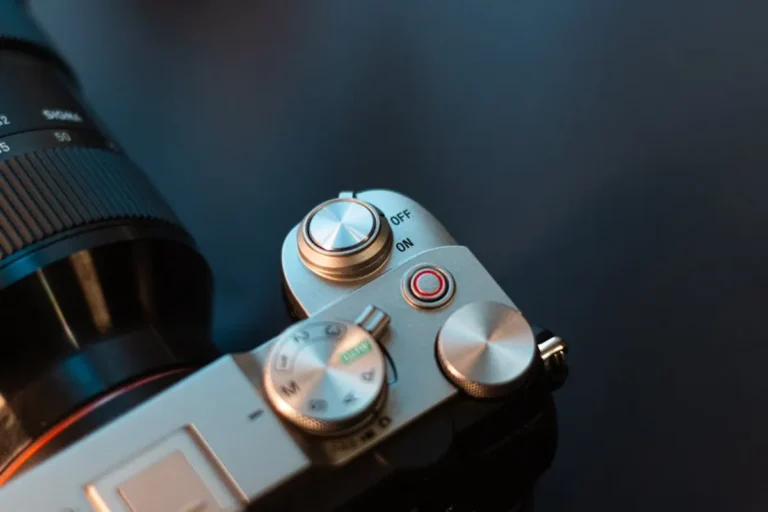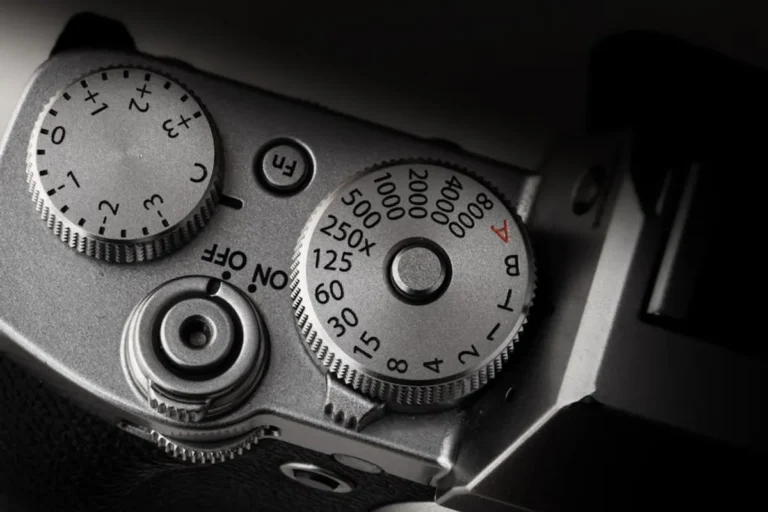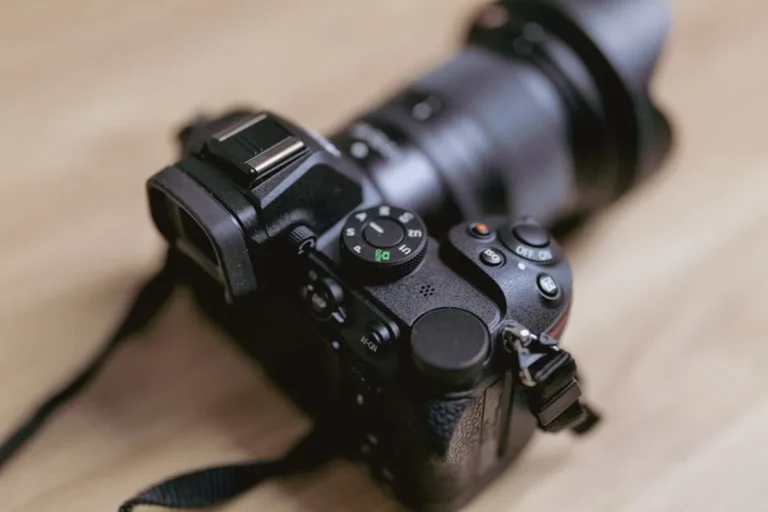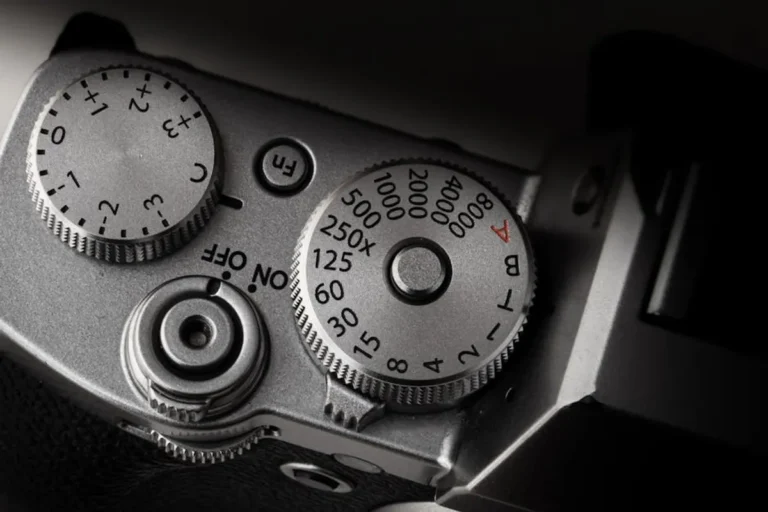

Event photography serves as a critical visual record, transforming transient moments into enduring assets. It moves beyond casual snapshots, focusing instead on capturing the atmosphere, key interactions, and strategic elements of an occasion. For businesses, organizations, and individuals, professional event photography provides tangible benefits: marketing collateral, public relations material, internal documentation, and valuable social media content. Understanding how this specialized field operates allows clients to articulate their needs effectively and leverage the photographic output for maximum impact, ensuring their investment yields compelling visual storytelling. To better visualize the possibilities, it is helpful to review examples of professional event photography that showcase impactful storytelling.
Understanding Event Photography's Core Function
At its core, event photography documents an occasion's narrative and energy. Unlike studio or product photography, which often control every variable, event photographers must adapt to dynamic, often unpredictable environments. Their primary function is to observe, anticipate, and react, capturing candid interactions, significant presentations, and overall ambiance without disrupting the flow of the event itself. This requires a blend of technical skill, situational awareness, and an understanding of the client's objectives to ensure the resulting images accurately reflect the event's purpose and tone.
Pre-Event Planning and Consultation
Successful event photography begins long before any shutters click. A thorough pre-event consultation is essential for aligning the photographer's approach with the client's vision. This phase typically covers:
- Event Schedule and Logistics: Understanding the timeline, key moments, venue layout, and any restricted areas.
- Key Individuals and Shot List: Identifying VIPs, speakers, or specific groups that require focused attention, along with any "must-have" shots.
- Brand Guidelines and Usage: Discussing specific branding elements to capture, desired aesthetic, and how the images will be used (e.g., website, social media, print, internal reports).
- Deliverables and Deadlines: Clarifying the number of edited images, file formats, delivery method, and turnaround time.
This detailed planning minimizes guesswork during the event, enabling the photographer to work efficiently and purposefully.
Equipment and Technical Considerations
Event photography demands robust and versatile equipment. Professionals typically utilize multiple camera bodies for redundancy and to quickly switch between different lenses. Key equipment includes:
- Fast Lenses: Lenses with wide apertures (e.g., f/2.8 or f/1.4) are crucial for low-light conditions prevalent in many event venues, allowing for sharp images without excessive noise.
- External Lighting: Flashes and LED panels provide controlled illumination, especially for group shots or in dimly lit areas, ensuring consistent exposure and color.
- Backup Gear: Redundant cameras, lenses, batteries, and memory cards mitigate the risk of equipment failure during a live event.
- Silent Operation: Cameras with silent shutter modes are often preferred to avoid distracting speakers or attendees during sensitive moments.
The photographer's ability to quickly adjust settings for varying light conditions, manage depth of field to isolate subjects, and compose shots on the fly is paramount.
On-Site Execution: Capturing the Narrative
During the event, the photographer acts as an unobtrusive observer, constantly moving and anticipating moments. Their role is to capture the flow, energy, and key interactions that define the occasion. This involves a strategic balance between candid shots and, when necessary, more directed or posed photographs.
Effective event photographers possess a keen eye for storytelling. They look for expressions, gestures, and interactions that convey emotion and engagement. They also prioritize capturing branding elements, sponsor logos, and venue details that contribute to the overall context and commercial value of the images.
Types of Shots and Coverage
A comprehensive event photography package typically includes a diverse range of images to provide a complete visual record:
- Establishing Shots: Wide-angle views of the venue, decor, and overall crowd to set the scene.
- Keynote Speakers and Presenters: Dynamic shots of individuals on stage, capturing their presence and audience engagement.
- Attendee Interaction: Candid photos of networking, discussions, and reactions, highlighting the human element.
- Branding and Sponsorship: Deliberate inclusion of logos, banners, and branded activations for marketing purposes.
- Product Displays and Demonstrations: Clear, well-lit images of showcased items or services.
- Entertainment and Performances: Capturing the energy and artistry of any performers or special acts.
- Group Photos: Organized shots of teams, award winners, or specific guest groupings, often requiring brief direction.
Post-Production: From Capture to Deliverable
The work doesn't conclude when the event ends. Post-production is a critical phase where raw images are transformed into polished, usable assets. This process typically involves:
- Image Culling: Reviewing all captured images to select the best shots, eliminating duplicates, blurry photos, or unflattering expressions.
- Color Correction and Exposure Adjustment: Ensuring consistent color balance, brightness, and contrast across all selected images.
- Cropping and Straightening: Refining composition and correcting any tilted horizons.
- Basic Retouching: Minor adjustments such as blemish removal or cable clean-up, generally kept minimal to maintain authenticity.
- Branding Integration: Applying specific color grades or watermarks if requested by the client.
This meticulous editing ensures that every delivered image meets professional standards and aligns with the client's brand aesthetic.
Delivery and Usage
Once post-production is complete, images are delivered to the client in agreed-upon formats. Common delivery methods include secure online galleries, cloud storage links, or external hard drives for very large volumes. Clients typically receive high-resolution files suitable for print and optimized web-resolution files for online use.
Usage rights and licensing are important considerations. Commercial event photography typically grants the client a license to use the images for their specified purposes (e.g., marketing, social media, internal communications), while copyright generally remains with the photographer. Clear communication regarding these terms prevents future misunderstandings.
Pro Tip: Always provide your event photographer with a detailed schedule, a list of key individuals, and any specific brand guidelines or must-have shots. This proactive communication ensures alignment and maximizes the photographic outcome, delivering images that precisely meet your strategic objectives.
Practical Application: Maximizing Your Event Photography Investment
To fully leverage your investment in event photography, consider the following practical steps. First, clearly define your objectives: Are the photos for marketing, press, internal archives, or social media engagement? This clarity guides the photographer's focus. Second, prepare your event space: Ensure good lighting where possible, minimize clutter, and make branding elements prominent. Third, communicate continuously with your photographer throughout the event, especially if unexpected changes occur. Finally, plan for image distribution and utilization immediately after delivery. Integrate the visuals into your content calendar, social media campaigns, and post-event reports to extend the event's impact and reach. Following these practical tips for event photography will help ensure you capture the essence of your occasion.
Frequently Asked Questions
How far in advance should I book an event photographer?
Booking 2-4 months in advance is generally recommended, especially for larger events or during peak seasons. This ensures availability and allows ample time for pre-event consultations and planning.
What kind of events can be professionally photographed?
Professional event photography covers a wide spectrum, including corporate conferences, trade shows, product launches, gala dinners, award ceremonies, private parties, concerts, and public festivals.
What deliverables can I expect from an event photographer?
You can typically expect a curated selection of high-resolution, edited digital images. These are often provided in a secure online gallery, with options for web-optimized versions and sometimes a print release.
Are raw image files typically included in event photography packages?
Raw files are generally not included in standard event photography packages. The delivered edited images represent the photographer's finished product and artistic vision. Raw files require specialized software and expertise to process effectively.