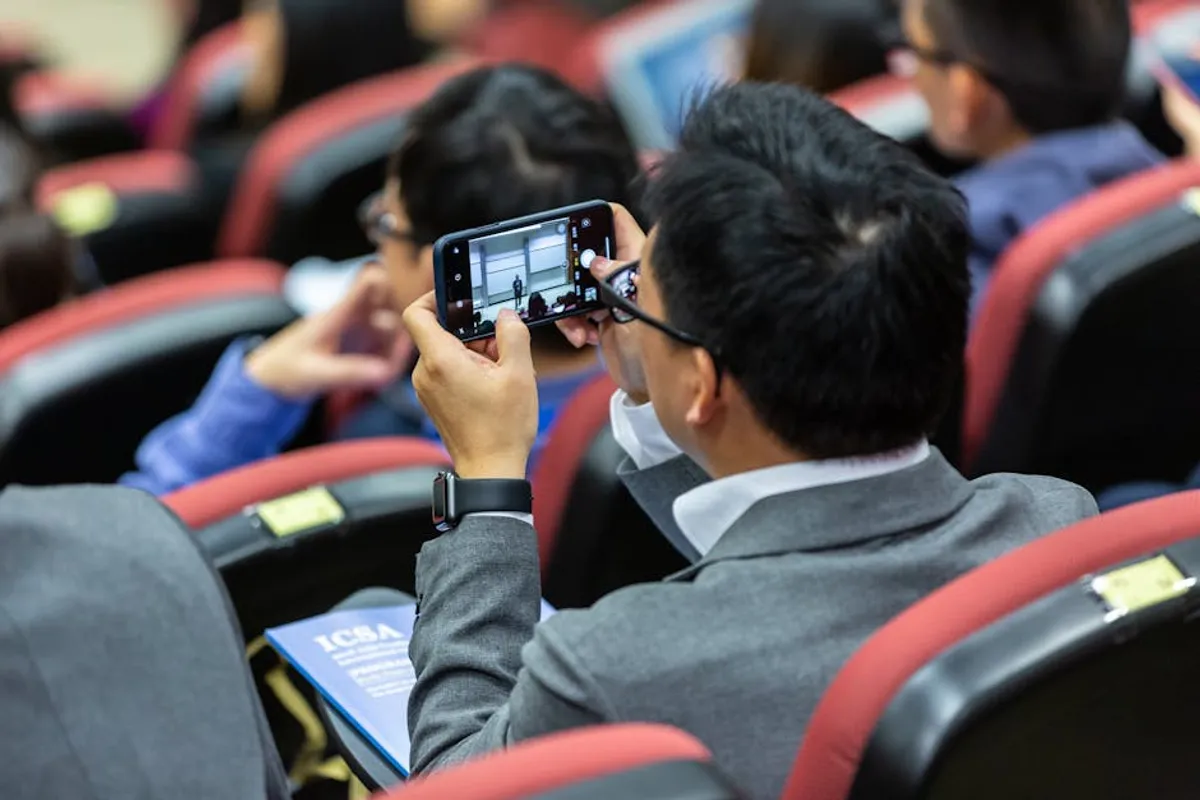
Effective event photography moves beyond simply documenting attendance; it captures the essence, energy, and key interactions that define an occasion. For businesses, brands, and organizations, high-quality event imagery serves as a critical asset for marketing, public relations, internal communications, and future engagement. It translates moments into compelling visual narratives that resonate with target audiences, reinforcing brand identity and communicating value long after the event concludes. Understanding the strategic approach to event photography, from initial planning to final delivery, ensures that visual assets align directly with commercial objectives and deliver tangible returns. For those new to the field, understanding a beginner's approach to event photography can help build a strong foundation.
Strategic Pre-Event Preparation
Thorough preparation is the foundation for successful event photography, minimizing on-site surprises and maximizing opportunities to capture critical moments. This phase is less about technical camera settings and more about understanding the event's purpose and logistical framework. To ensure nothing is missed, it is highly recommended to consult a comprehensive event photography checklist before the event.
Client Briefing and Deliverable Alignment
A detailed briefing session with the client is paramount. This involves understanding the event's primary objectives – whether it's lead generation, brand awareness, employee recognition, or product launch. Identify key stakeholders, VIPs, and mandatory shot lists. Clarify the intended use of the photographs (e.g., social media, press releases, internal reports, website banners) as this dictates resolution, aspect ratios, and editing style. Discuss any specific brand guidelines for color, tone, or composition. Establishing clear expectations for the number of final images, turnaround times, and file formats prevents scope creep and ensures satisfaction.
Venue Reconnaissance and Technical Assessment
Whenever possible, conduct a pre-event site visit. This allows for an assessment of lighting conditions, both natural and artificial, at different times the event will run. Identify potential challenges such as low light areas, excessive backlighting, or restricted movement zones. Note power outlet locations for charging equipment and scout for visually appealing backdrops or potential "dead zones." Understanding the venue layout helps in planning movement paths to cover all key areas efficiently without disrupting proceedings. For large events, identifying a secure base for gear and breaks is also crucial.
Essential Gear Selection and Redundancy
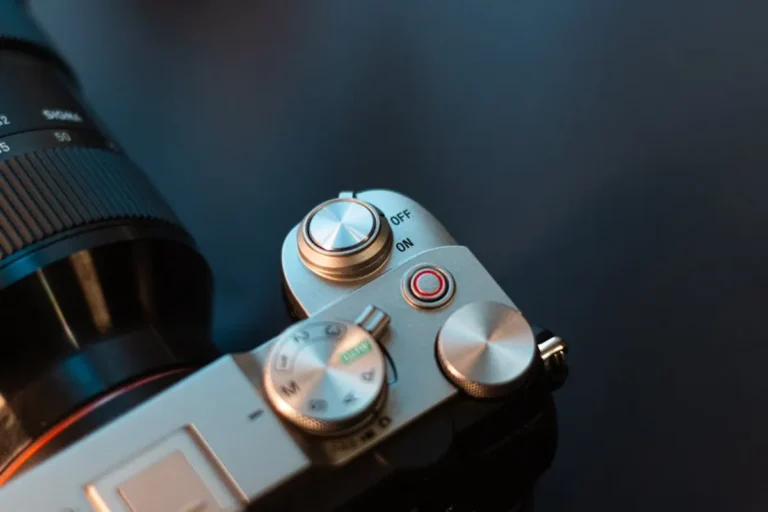
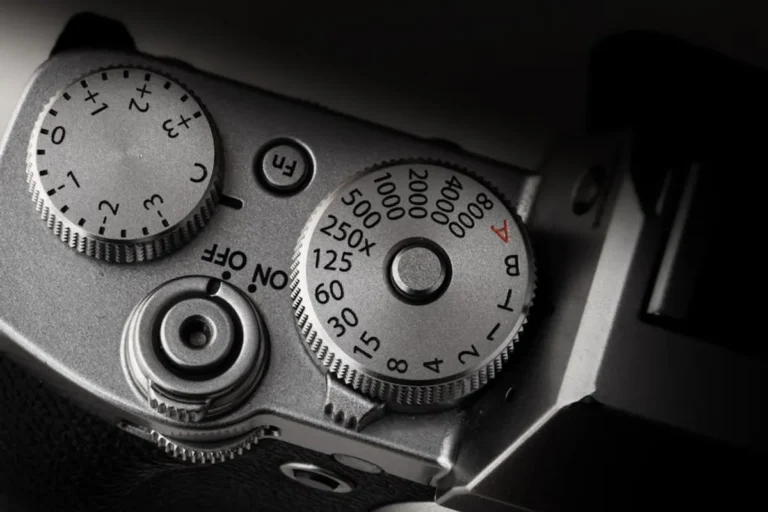
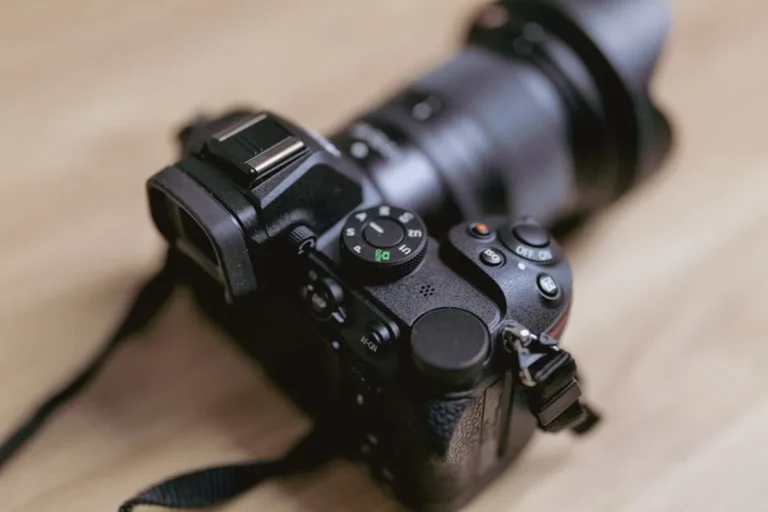
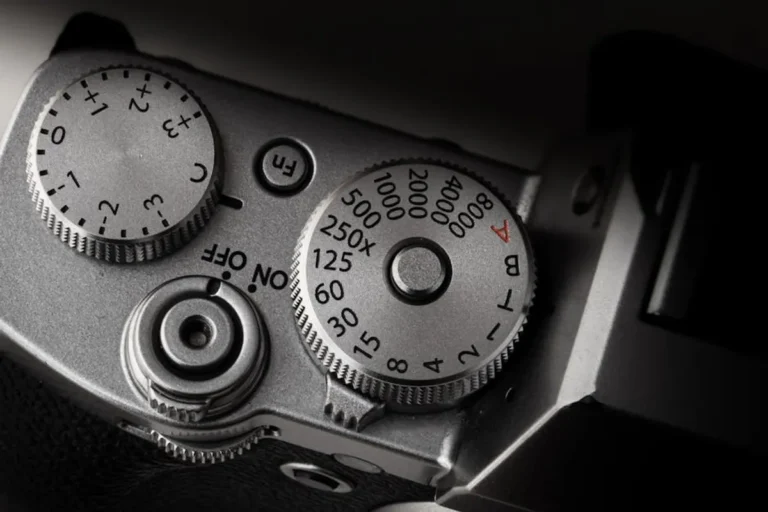
The right equipment ensures adaptability to various event scenarios. A typical kit includes at least two camera bodies to mitigate failure and allow for quick lens changes. A versatile range of lenses is critical: a wide-angle (e.g., 16-35mm) for establishing shots and group photos, a standard zoom (e.g., 24-70mm) for general coverage, and a telephoto (e.g., 70-200mm) for candid shots from a distance or isolating speakers. External flash units, along with diffusers or modifiers, are essential for challenging indoor lighting. Always carry multiple high-capacity memory cards and fully charged batteries, including spares. Consider a monopod for stability during long periods of shooting, especially with telephoto lenses.
Best for: Ensuring reliable operation and image quality across diverse lighting and spatial conditions.
On-Site Execution and Image Capture
During the event, the focus shifts to anticipating moments, adapting to dynamic environments, and capturing a narrative that reflects the event's purpose.
Capturing Key Moments and Interactions
Prioritize capturing the event's core activities: speakers at the podium, panel discussions, award ceremonies, and product demonstrations. Beyond formal elements, focus on genuine interactions – networking, laughter, focused attention during presentations, and emotional responses. Look for opportunities to frame subjects with event branding visible in the background, subtly reinforcing the organizational presence. Vary perspectives by shooting from different angles, both wide and tight, to create a diverse visual library.
Navigating Lighting Challenges
Event lighting is rarely ideal. Indoors, leverage ambient light where possible, often requiring higher ISO settings. When using flash, bounce it off ceilings or walls to create softer, more natural illumination, avoiding harsh direct flash. Outdoors, manage harsh sunlight by seeking open shade or using fill flash to balance exposures. Be prepared for rapid changes in lighting, such as stage lights or moving spotlights, and adjust camera settings (ISO, aperture, shutter speed) proactively rather than reactively.
Pro Tip: Always shoot in RAW format. This provides significantly more latitude in post-processing for recovering detail in highlights and shadows, crucial for images captured under challenging and variable event lighting conditions.
Composing Dynamic and Engaging Shots
Move beyond simple point-and-shoot. Apply compositional principles like the rule of thirds to place subjects off-center for more visual interest. Use leading lines (e.g., architectural elements, rows of chairs) to draw the viewer's eye towards the main subject. Experiment with depth of field to isolate subjects or show context. Capture both candid moments, which often convey authenticity, and intentionally posed shots, especially for VIPs or specific group photos. Look for expressions, gestures, and details that tell a story.
Building a Visual Narrative
Approach the event with a storytelling mindset. Begin with establishing shots of the venue and attendees arriving, progress to the main activities, and conclude with the atmosphere of departure or celebration. This chronological flow helps create a cohesive visual narrative. Include detail shots (e.g., branding, decor, food, unique elements) that add texture and context, enriching the overall story. The goal is to provide a comprehensive visual record that can be used to reconstruct the event's experience.
Post-Event Workflow and Delivery
The work doesn't end when the event does. Efficient post-production and timely delivery are crucial for client satisfaction and commercial utility.
Efficient Culling and Selection
Immediately after the event, back up all raw files. Begin the culling process by quickly eliminating technically flawed images (blurry, poorly exposed, duplicates). Then, select the strongest images that align with the client's brief and tell the event's story. Aim for variety in composition, subject matter, and emotion. Categorize images by key moments or subjects to streamline client review and final selection. This systematic approach ensures only the best images proceed to editing.
Consistent Editing and Retouching
Edit selected images for consistent color, exposure, white balance, and contrast. Apply any agreed-upon branding guidelines for color grading or specific stylistic choices. Perform minor retouching to remove distractions or enhance key elements, but avoid over-processing that makes images look unnatural. Batch editing tools can significantly speed up this process while maintaining uniformity across the entire set. The goal is to present a polished, professional collection that reflects the event's quality.
Secure Delivery and Licensing
Deliver the final, edited images through a secure, professional platform (e.g., a private online gallery, cloud storage with password protection). Provide images in the agreed-upon formats (e.g., high-resolution JPEGs for print, web-optimized JPEGs for online use). Clearly communicate licensing terms and usage rights to the client. This ensures both parties understand how the images can be used, protecting intellectual property and preventing misuse.
Maximizing Event Photography Assets
Event photography is an investment. To maximize its value, consider how the visual assets integrate into broader marketing and communication strategies. Encourage clients to repurpose images across multiple channels: social media campaigns, website updates, blog posts, email newsletters, and annual reports. High-quality imagery enhances engagement, builds credibility, and provides authentic content that resonates with audiences. By delivering a comprehensive and strategically curated set of images, event photographers contribute directly to the client's ongoing brand narrative and commercial success.
Frequently Asked Questions
What is the typical turnaround time for event photos?
Turnaround time varies significantly based on event length, photo volume, and client needs. For a standard 4-6 hour event, a typical delivery might range from 3-7 business days for a fully edited gallery. Rush services for immediate social media highlights can often be arranged for an additional fee, sometimes delivering a small selection within 24 hours.
How many photos should I expect from an event?
The number of final images delivered depends on the event's duration, the photographer's coverage hours, the number of key moments, and the agreed-upon package. A general guideline might be 50-100 high-quality, edited images per hour of coverage, though this can fluctuate based on the event's nature and client specifications.
What is the difference between candid and posed event photography?
Candid photography captures natural, unscripted moments as they unfold, focusing on genuine interactions and emotions without direct intervention from the photographer. Posed photography involves directing subjects to achieve a specific look or composition, often used for formal portraits, group shots, or capturing specific brand interactions. A balanced approach typically yields the most comprehensive event coverage.
Should I provide a shot list to my event photographer?
Absolutely. Providing a detailed shot list is highly recommended. It ensures the photographer captures all critical elements, VIPs, specific branding, and key moments important to the event's objectives. This list acts as a crucial guide, complementing the photographer's creative judgment and ensuring all client expectations are met.