Understanding the diverse applications of event photography is crucial for anyone planning or promoting an event, from corporate conferences to public festivals. The choice of photographer and the specific shots requested directly impact the visual assets available for post-event marketing, public relations, and internal communications. Recognizing the distinct styles and priorities across different event types ensures that the captured imagery aligns with strategic goals, whether that means showcasing brand professionalism, highlighting attendee engagement, or generating media buzz.
Corporate Event Photography
Corporate event photography focuses on professionalism, brand representation, and documenting key interactions. The goal is to produce assets suitable for annual reports, press releases, company websites, and social media. This category encompasses a range of events, each with distinct photographic requirements.
Conferences and Seminars
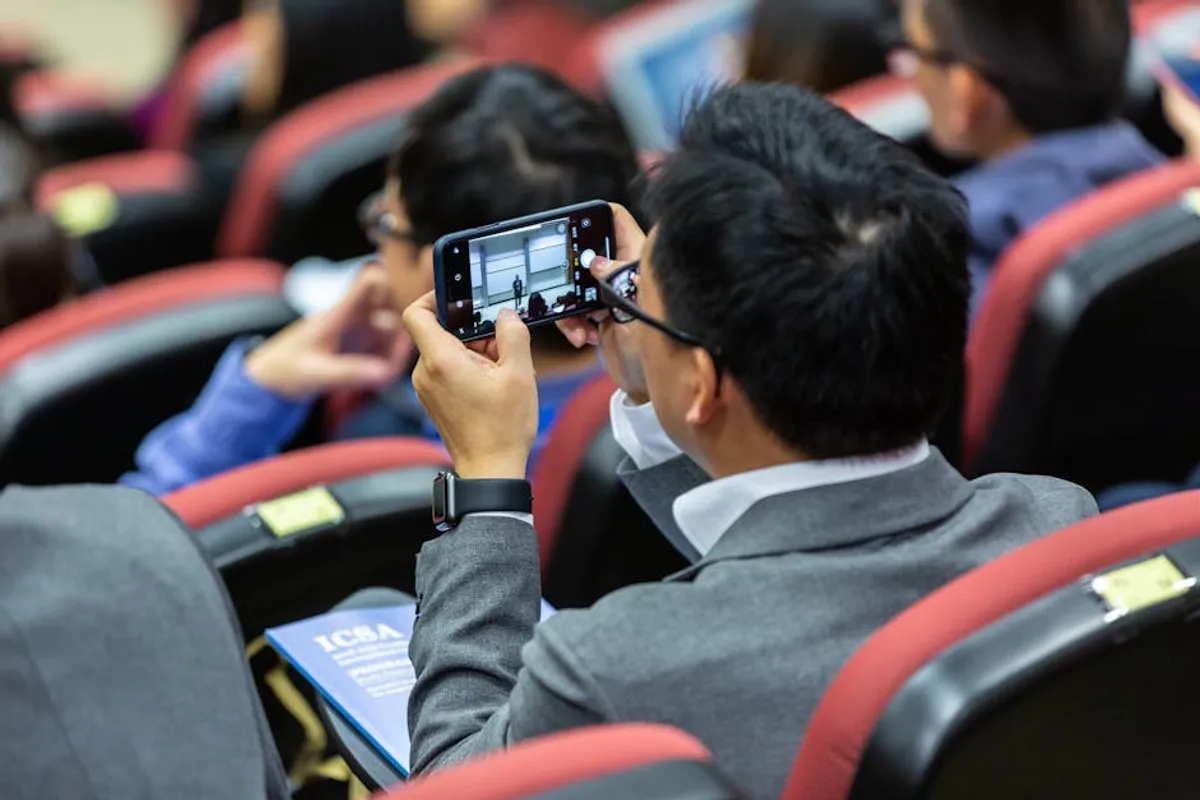
For conferences, photography centers on capturing speakers, audience engagement, and networking opportunities. Key shots include wide establishing views of the venue, close-ups of presenters at the podium, candid shots of attendees interacting during breaks, and panel discussions. The emphasis is on conveying a sense of learning, collaboration, and professional development. High-quality images of keynote speakers can be used to promote future events or accompany industry articles.
Trade Shows and Exhibitions
Trade show photography highlights booth design, product displays, and brand activations. Photographers focus on capturing brand ambassadors interacting with potential clients, product demonstrations, and the overall energy of the exhibition hall. These images are vital for showcasing market presence, investor relations, and future marketing campaigns. Specific attention is paid to branding elements, ensuring logos and company colors are visible and well-represented.
Product Launches and Galas
Product launches demand imagery that creates excitement and positions the new offering effectively. This involves capturing the reveal moment, reactions from attendees, and detailed shots of the product itself. Corporate galas and awards ceremonies require a blend of formal portraits, candid shots of guests enjoying the event, and documentation of award presentations. The output serves as both a record of the event and a tool for reinforcing company culture and prestige.
Best for: Professional branding, marketing collateral, internal communications, PR outreach, investor relations.
Pro Tip: Before any corporate event, provide your photographer with a detailed shot list that includes specific individuals, branding elements, and key moments you need captured. This ensures critical assets are not missed and aligns the photography with your strategic communication objectives.
Social and Private Event Photography
Social and private event photography prioritizes capturing emotions, candid moments, and the overall atmosphere. While less formal than corporate events, the resulting images still hold significant value for personal memories, social sharing, and sometimes even brand association if the event is sponsored or themed.
Parties and Celebrations
Birthday parties, anniversaries, and other celebrations require a focus on candid interactions, laughter, and the joy of the occasion. Photographers aim to capture guests mingling, key moments like cake cutting or toasts, and decorative elements that define the event's theme. The goal is to tell the story of the celebration through authentic, unposed imagery.
Weddings and Engagements
Wedding photography is a specialized field, emphasizing storytelling, emotional depth, and artistic composition. It covers everything from pre-ceremony preparations to the reception's final dances. Key elements include portraits of the couple, family and bridal party groupings, ceremony details, and candid shots of guests. Engagement sessions often precede the wedding, providing a more relaxed setting to capture the couple's connection.
Charity Galas and Fundraisers
For charity events, photography serves a dual purpose: documenting the success of the fundraiser and capturing the spirit of generosity. Images often feature VIP guests, keynote speakers, entertainment, and candid shots of attendees participating in auctions or activities. These photographs are crucial for post-event thank-you communications, donor engagement, and promoting future fundraising efforts.
Best for: Personal keepsakes, social media sharing, donor recognition, community building.
Public and Experiential Event Photography
These events often involve large crowds, dynamic action, and a need to convey energy and scale. Photography for public and experiential events aims to capture the broader experience, highlight key attractions, and provide content for media and promotional use.
Festivals and Concerts
Festival and concert photography focuses on capturing the atmosphere, crowd energy, and performer highlights. This includes wide shots of the stage and audience, close-ups of musicians and artists, and candid shots of attendees enjoying the experience. The challenge lies in navigating dynamic lighting and large crowds to produce engaging, high-impact imagery suitable for press kits, artist portfolios, and future event promotion.
Sporting Events
Sporting event photography demands speed, precision, and an understanding of the game. Photographers capture peak action moments, athlete emotions, and crowd reactions. Images are used by sports organizations, media outlets, and for athlete branding. Specific shots include game-winning plays, close-ups of determined faces, and wide shots conveying the scale of the stadium or arena.
Brand Activations and Pop-ups
Experiential marketing events are designed to engage consumers directly with a brand. Photography here focuses on capturing consumer interaction with products or installations, brand messaging in action, and the overall excitement generated. These images are invaluable for demonstrating ROI to stakeholders, generating social media buzz, and building brand awareness through visual storytelling.
- Capturing brand ambassadors interacting with the public.
- Documenting consumer participation in interactive experiences.
- Highlighting product placement and branding within the event space.
- Showcasing the overall design and aesthetic of the activation.
- Obtaining candid reactions and expressions from attendees.
Best for: Media coverage, brand awareness, social media content, stakeholder reporting, future event promotion.
Selecting the Right Visual Narrative
Choosing the appropriate event photography style and briefing your photographer effectively are critical steps in maximizing the commercial utility of your event's visual assets. Each event type offers distinct opportunities to tell a story, engage an audience, and reinforce objectives. By understanding these examples, event organizers can make informed decisions that translate into compelling imagery for marketing, PR, and historical documentation.
Frequently Asked Questions
What is the typical turnaround time for event photos?
Turnaround times vary significantly based on the event's complexity and the photographer's workload. For corporate events requiring immediate press releases, a selection of edited 'highlights' might be available within 24-48 hours, with the full gallery delivered within 1-2 weeks. Larger social events like weddings typically have longer turnaround times, often 4-8 weeks, due to the extensive editing involved.
Should I provide a shot list to my event photographer?
Yes, providing a detailed shot list is highly recommended for any event. It ensures the photographer captures all critical moments, key individuals, branding elements, and specific angles or details important to your objectives. This reduces the chance of missed opportunities and aligns the photographer's efforts with your event's goals.
How many photos can I expect from an event?
The number of photos delivered depends on the event's duration, the number of photographers, and the type of event. For a typical 4-hour corporate event, you might receive 150-300 edited images. Longer, more complex events like weddings can yield 500-1000+ photos. Quality over quantity is often the focus, ensuring each delivered image meets high standards.
What is the difference between candid and posed event photography?
Candid photography captures spontaneous, unposed moments, focusing on genuine emotions and interactions without direct intervention from the photographer. Posed photography, conversely, involves directing subjects into specific positions or actions to achieve a desired composition. Most events benefit from a blend of both styles, with candid shots capturing the atmosphere and posed shots ensuring key groups or individuals are well-documented.