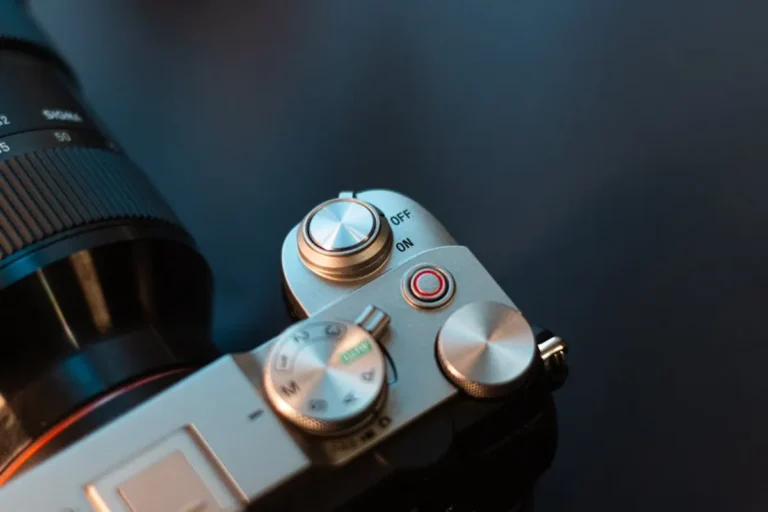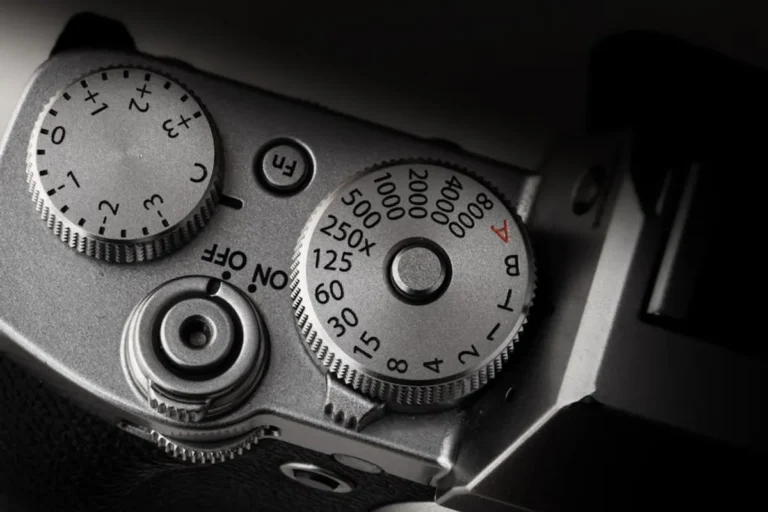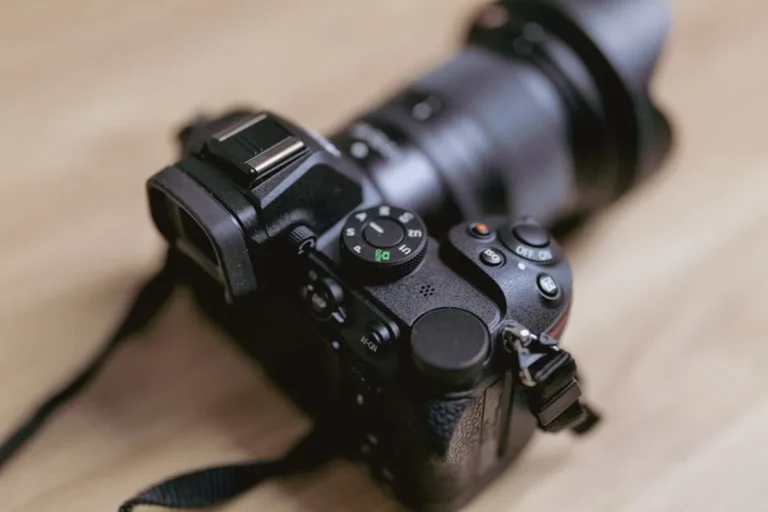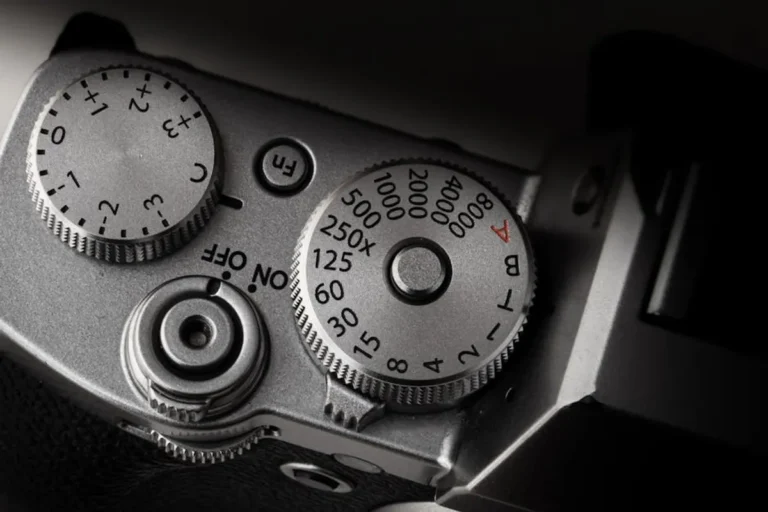
Successful event photography hinges on meticulous preparation and systematic execution. Unlike studio work or portrait sessions, events are dynamic, often unpredictable, and offer no retakes. A comprehensive event photography checklist acts as an indispensable framework, ensuring no critical step is overlooked, from initial client consultation to final image delivery. This structured approach not only minimizes stress and potential errors but also elevates the quality of your output, builds client confidence, and protects your professional reputation. It transforms a potentially chaotic shoot into a controlled, high-yield operation.
Pre-Event Planning Essentials
The foundation of any successful event shoot is laid long before the first shutter click. Thorough pre-event planning ensures you understand the client's vision, anticipate logistical challenges, and prepare your equipment for optimal performance.
Client Consultation & Briefing
Begin with a detailed discussion to establish clear expectations. This covers the event's purpose, key individuals, specific moments to capture, and any brand guidelines. Documenting these specifics prevents misunderstandings later.
- Event Details: Date, time, location(s), duration, expected attendance.
- Client Objectives: What story does the client want to tell? What emotions or messages should the images convey?
- Key Shots & Moments: A detailed shot list, including specific people, speeches, awards, performances, or interactions. Prioritize these.
- Deliverables: Image count, resolution, file format, usage rights, and deadline. Clarify if specific editing styles or branding elements are required.
- Logistics: Parking, access to power, designated shooting areas, dress code, and contact person on-site.
Venue Reconnaissance
If possible, visit the venue beforehand. This provides invaluable insights into lighting conditions, potential backdrops, and logistical flow. If a physical visit isn't feasible, review floor plans, professional photos, or conduct a virtual tour.
Focus on:
- Lighting: Assess natural light sources (windows, time of day), artificial lighting (overhead, stage lights), and potential challenges (mixed lighting, dark areas). Plan for supplemental lighting if needed.
- Space & Flow: Identify prime shooting locations, potential obstructions, and guest movement patterns. Understand where key moments will occur.
- Power Access: Locate outlets for charging gear or setting up strobes.
- Backgrounds: Scout for clean, uncluttered backgrounds and interesting architectural elements.
Gear Preparation & Backup
A comprehensive gear check prevents on-site failures. Pack redundantly for critical items to mitigate equipment malfunctions.
- Camera Bodies: At least two professional-grade bodies, fully charged batteries for each.
- Lenses: A versatile selection (e.g., wide-angle for establishing shots, prime for low light, telephoto for candid captures). Clean all lenses.
- Flashes/Strobes: External flashes, triggers, diffusers, and fresh batteries. Test functionality.
- Memory Cards: Ample, high-speed memory cards. Format them before packing.
- Tripod/Monopod: For low-light situations or stable video.
- Accessories: Cleaning kits, spare batteries, chargers, gaffer tape, multi-tool, business cards.
Pro Tip: Always pack more memory cards and fully charged batteries than you anticipate needing. Event durations can extend unexpectedly, and access to power for charging or purchasing new cards might be limited. Redundancy is your best defense against missed shots due to technical failure.
During the Event: Execution & Coverage
With planning complete, the focus shifts to efficient execution and capturing the event's essence as it unfolds.
Arrival & Setup
Arrive well in advance of the scheduled start time. This allows for setup, a final gear check, and a chance to acclimate to the environment.
- Check-in: Connect with the on-site contact person.
- Test Shots: Adjust camera settings (ISO, aperture, shutter speed, white balance) to the current lighting conditions.
- Scout Key Areas: Re-confirm locations for speeches, performances, or important interactions.
Key Moments & Shot List Adherence
Refer to your shot list frequently, but remain flexible. Events are fluid; be ready to adapt and capture spontaneous moments that add value.
- Capturing the Narrative: Focus on the event's progression—from arrival and mingling to main presentations, reactions, and departure.
- People & Interactions: Photograph key speakers, organizers, VIPs, and candid guest interactions. Capture a mix of wide, medium, and tight shots.
- Details & Atmosphere: Document decor, branding, food, entertainment, and the overall ambiance. These elements provide context.
- Anticipate: Learn to predict where action will occur. Position yourself strategically without being intrusive.
Technical Considerations
Maintain vigilance over your camera settings and equipment throughout the event.
- Exposure: Continuously monitor and adjust for changing light.
- Focus: Use appropriate autofocus modes for moving subjects or static scenes.
- Composition: Vary angles and framing to create a diverse set of images.
- Backup: If your camera supports dual card slots, use them for immediate in-camera backup.
Post-Event Workflow & Delivery
The work doesn't end when the event does. A structured post-production workflow ensures timely and professional delivery.
Backup & Ingest
Immediately upon returning, secure your images.
- Primary Backup: Transfer all images from memory cards to at least two separate storage devices (e.g., external hard drive, cloud storage).
- Card Formatting: Only format memory cards after confirming successful backups.
- Initial Review: A quick scan to ensure all critical moments were captured and no major technical issues occurred.
Editing & Culling
This phase refines your raw captures into polished deliverables.
- Culling: Select the best images, removing duplicates, blinks, or technically flawed shots. Adhere to the agreed-upon image count.
- Basic Adjustments: Correct exposure, white balance, contrast, and cropping.
- Retouching: Address minor blemishes or distractions as needed, consistent with client expectations.
- Consistency: Ensure a cohesive look and feel across all delivered images.
Delivery & Follow-up
Present the final images professionally and maintain open communication.
- Platform: Deliver images via a secure, client-friendly online gallery or direct download link.
- Branding: Ensure delivered files and galleries align with your professional branding.
- Feedback: Be open to client feedback and address any reasonable requests.
- Archiving: Archive the final delivered set of images for future reference.
Ensuring Professional Event Coverage
Implementing a detailed event photography checklist is more than just a task list; it's a commitment to professionalism and client satisfaction. Each item on the list serves to minimize risk, maximize creative opportunity, and ultimately deliver a superior product. By systematically addressing every stage from planning through post-production, photographers can confidently navigate the complexities of event coverage, consistently producing high-quality images that meet or exceed client expectations. This structured approach builds a reputation for reliability and excellence, fostering repeat business and positive referrals.
Frequently Asked Questions
Why is an event photography checklist essential?
An event photography checklist is crucial because events are live, dynamic, and offer no second chances. It ensures all critical steps, from client communication and gear preparation to shot execution and post-production, are systematically covered, minimizing errors and maximizing the quality of deliverables.
What are the most critical items to double-check before leaving for an event?
Before heading to an event, absolutely confirm you have charged batteries (camera and flash), formatted memory cards, backup camera bodies, a versatile lens selection, and any specific client-requested props or branding elements. A quick check of your shot list and the event timeline is also vital.
How does a checklist help with unexpected event changes?
While a checklist structures your approach, it also frees up mental capacity. By having routine tasks systematized, you can better focus on adapting to unexpected changes, such as schedule shifts, lighting variations, or last-minute requests, without forgetting core responsibilities.
Should I share my event photography checklist with the client?
While you wouldn't share your internal technical checklist, aspects like the "Client Consultation & Briefing" section form the basis for your client communication. Sharing a detailed shot list or confirming key deliverables with the client ensures alignment and demonstrates your thorough preparation, building trust.