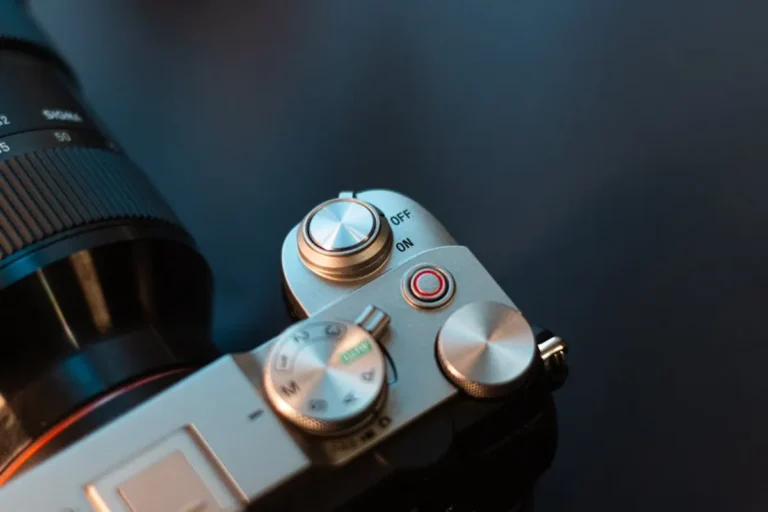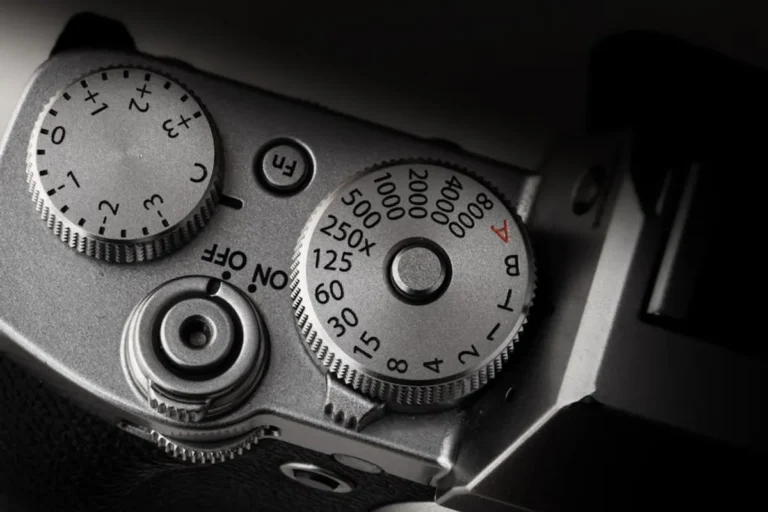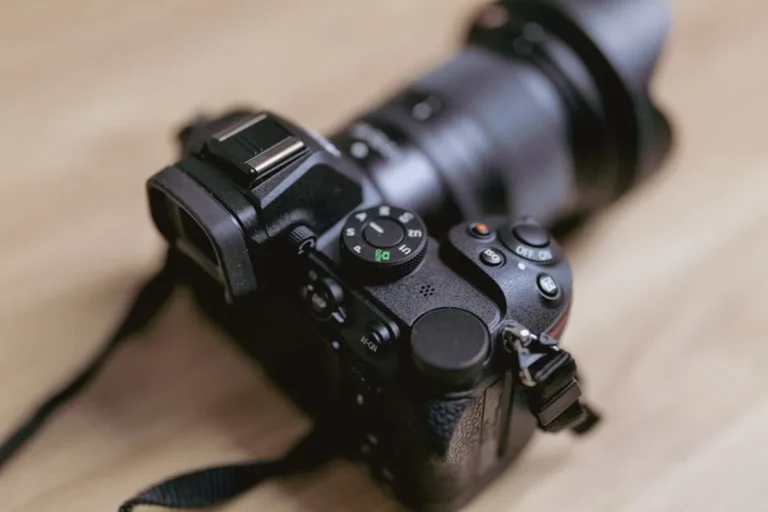
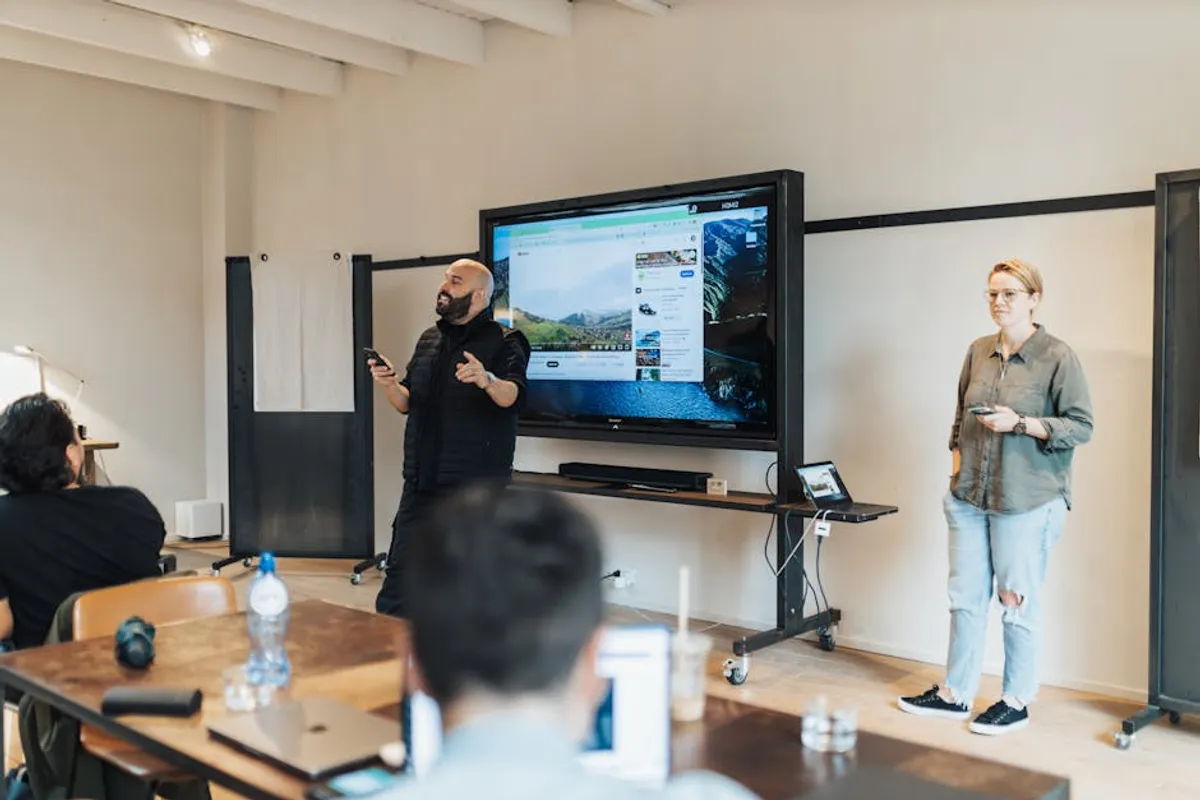
Effective event photography extends beyond simply pointing a camera and pressing the shutter. It requires meticulous planning, technical proficiency, and a streamlined post-production workflow to deliver assets that meet client expectations and serve their commercial objectives. For marketers and site owners, high-quality event imagery is a critical component for social media engagement, website content, press releases, and future promotional materials. Understanding the best practices ensures not only successful capture of fleeting moments but also the consistent delivery of valuable visual content that reinforces brand messaging and captures the essence of an occasion. A streamlined post-production workflow is key to delivering valuable visual content that meets client expectations.
Pre-Event Preparation and Communication
Thorough preparation is the bedrock of successful event photography. This phase minimizes on-site surprises and ensures alignment with client goals, directly impacting the commercial utility of the final images.
Client Briefing and Shot List Development
Before any equipment is packed, a detailed discussion with the client is essential. This meeting clarifies expectations, identifies key stakeholders, and defines the event's narrative. A comprehensive shot list is not merely a suggestion; it's a contractual roadmap. It should detail specific individuals, groups, activities, branding elements, and candid moments that require capture. Ask about the event's purpose, target audience, and how the images will be used (e.g., internal comms, social media, press kits, website banners). This understanding informs compositional choices and editing style. Failing to create a comprehensive shot list can lead to missed opportunities and unmet client needs.
Key information to gather:
- Event schedule and timeline, including critical moments (speeches, awards, performances).
- List of VIPs, speakers, or key attendees requiring specific portraits or group shots.
- Brand guidelines for any specific visual elements or colors to emphasize.
- Specific locations or architectural features to highlight within the venue.
- Desired image count and preferred aspect ratios for different platforms.
Venue Reconnaissance and Technical Planning
Visiting the venue beforehand, if possible, allows for strategic planning. Assess lighting conditions (natural light availability, artificial light sources, potential for mixed lighting), identify potential shooting angles, and note any logistical constraints (crowd flow, restricted areas, power access). This reconnaissance helps in selecting appropriate lenses, determining flash requirements, and planning camera settings in advance. For large venues or multi-day events, a detailed map with identified shooting zones and potential challenges is invaluable.
Confirming power sources for charging equipment and identifying secure storage for gear are practical considerations that prevent on-site delays. If multiple photographers are involved, assign specific zones or time slots to avoid duplication and ensure comprehensive coverage.
Pro Tip: Always pack redundant equipment. Two camera bodies, multiple lenses covering a range of focal lengths (e.g., a wide-angle zoom for venue shots, a telephoto for candid interactions), ample batteries, and multiple memory cards are non-negotiable. Equipment failure during a live event offers no second chances, directly impacting deliverable quality and client satisfaction.
On-Site Execution and Image Capture
During the event, efficiency, adaptability, and an unobtrusive presence are paramount. The goal is to capture authentic moments without disrupting the event flow.
Anticipating Key Moments and Candid Capture
A successful event photographer is always observing and anticipating. Instead of reacting, predict where interactions will happen, when a speaker will gesture emphatically, or when a significant award will be presented. Position yourself strategically before these moments unfold. While the shot list covers formal requirements, candid shots often convey the true atmosphere and emotional resonance of an event. Look for genuine smiles, engaged conversations, and reactions from the audience. Shooting in continuous burst mode can increase the likelihood of capturing the perfect expression.
Lighting Management and Composition
Event lighting is often dynamic and challenging. Be prepared to adjust camera settings (ISO, aperture, shutter speed) rapidly. Utilize available light effectively, and when flash is necessary, use it judiciously to avoid harsh shadows or distracting reflections. Off-camera flash or bouncing flash off ceilings can create more natural-looking illumination. Pay attention to composition, using leading lines, the rule of thirds, and negative space to create visually compelling images that draw the viewer's eye to the subject and convey a sense of professionalism.
In-Event Backup Strategy
Even during the event, implement a basic backup strategy. Many professional cameras offer dual memory card slots, allowing immediate in-camera backup. Regularly swap full memory cards into a secure, labeled pouch. This mitigates the risk of losing critical images due to card corruption or loss, protecting the client's investment and the photographer's reputation.
Post-Event Workflow and Delivery
The work doesn't end when the event does. An efficient post-production workflow ensures timely delivery of high-quality, commercially ready images.
Culling and Editing for Impact
The initial culling process involves quickly reviewing all captured images to select the strongest ones and eliminate duplicates, blurry shots, or those with closed eyes. This is where the narrative of the event is refined. Editing should enhance the images without making them look artificial. Adjustments to exposure, white balance, contrast, and cropping are standard. Maintain a consistent editing style across all deliverables to ensure a cohesive visual story that aligns with the client's brand.
Secure Backup and Archiving
Immediately after the event, transfer all images from memory cards to at least two separate storage devices (e.g., a primary hard drive and a cloud service or secondary external drive). This robust backup strategy protects against data loss. Organize files logically with clear naming conventions (e.g., "ClientName_EventDate_EventName") for easy retrieval and archiving. Long-term archiving ensures that clients can access past event photos if needed for future marketing campaigns.
Client Delivery and Usage Rights
Deliver images in agreed-upon formats (e.g., high-resolution JPEGs for print, web-optimized JPEGs for online use, TIFFs for maximum quality). Utilize professional online galleries or secure cloud platforms for delivery, allowing clients easy access and download. Clearly communicate turnaround times upfront and adhere to them. Ensure the usage rights for the images are explicitly defined in the contract, detailing how the client can use the photos (e.g., for marketing, internal use, public relations) and any restrictions (e.g., resale, editorial use only).
Sustaining Client Relationships
Beyond the technical aspects, maintaining strong client relationships is vital for repeat business and referrals. Follow up after delivery to ensure satisfaction and offer any further assistance. Soliciting feedback, both positive and constructive, helps refine your services and demonstrates a commitment to excellence.
Frequently Asked Questions
How many photos should I deliver from an event?
The number of delivered photos depends on the event's duration, complexity, and the agreed-upon contract. A general guideline is 50-100 high-quality, unique images per hour of coverage for a typical corporate or social event. Always prioritize quality over quantity; a curated selection of impactful images is more valuable than an overwhelming number of mediocre shots.
What is a typical turnaround time for event photos?
Turnaround times vary based on the photographer's workload and the event's urgency. For social media use, clients often expect a selection of highlight images within 24-48 hours. The full gallery typically takes 1-3 weeks for comprehensive editing and delivery. Clear communication of these timelines in advance is crucial.
Should I use flash for all event photography?
Not necessarily. While flash can be essential in low-light conditions, over-reliance can produce harsh, unnatural-looking images. Prioritize using available natural light or ambient artificial light when possible. When flash is required, use diffusers, bounce it off surfaces, or employ off-camera flash techniques to create softer, more flattering illumination that blends seamlessly with the environment.
How do I ensure brand consistency in my event photos?
Achieving brand consistency starts with a thorough client brief to understand their visual identity, color palette, and messaging. During the event, actively seek out branding elements (logos, signage, branded merchandise) and incorporate them thoughtfully into compositions. In post-production, maintain a consistent editing style, color grading, and cropping that aligns with the client's aesthetic and the overall mood of the event.