
Successful event photography extends beyond technical skill with a camera; it demands meticulous planning, precise execution, and diligent post-production. The commercial value of event imagery—whether for marketing, public relations, or internal documentation—hinges on its quality and relevance. Overlooking critical details can compromise deliverables, diminish client satisfaction, and ultimately impact a photographer's professional reputation and future bookings. Understanding and actively mitigating common pitfalls is essential for consistently delivering high-caliber results that meet and exceed client expectations.
Pre-Event Planning Oversights
Neglecting a Detailed Shot List
A comprehensive shot list is the blueprint for any event photography assignment. Without one, photographers risk missing key moments, specific individuals, or essential branding elements that are critical to the client's objectives. This oversight often stems from a failure to communicate adequately with the client about their priorities and expectations. A vague understanding leads to a generic output, where the client receives a collection of images that may be technically sound but lack strategic value.
Consequence: Missed opportunities for vital marketing content, client disappointment, and the potential need for expensive re-shoots or supplementary content creation.
Inadequate Gear Preparation
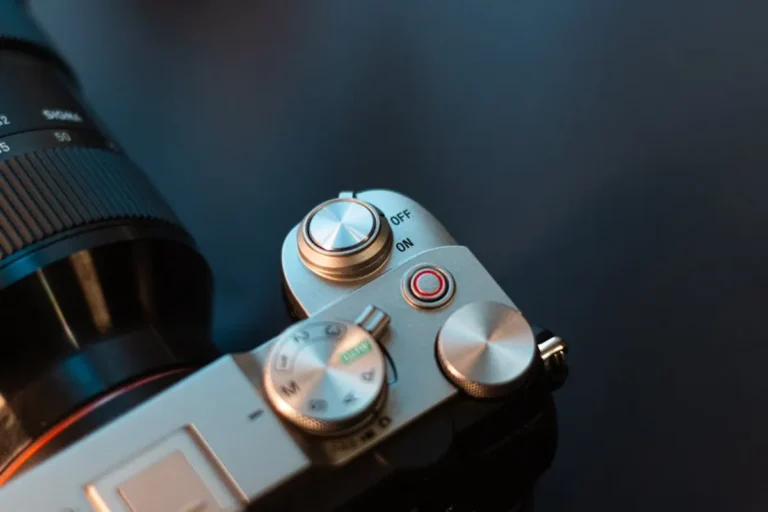
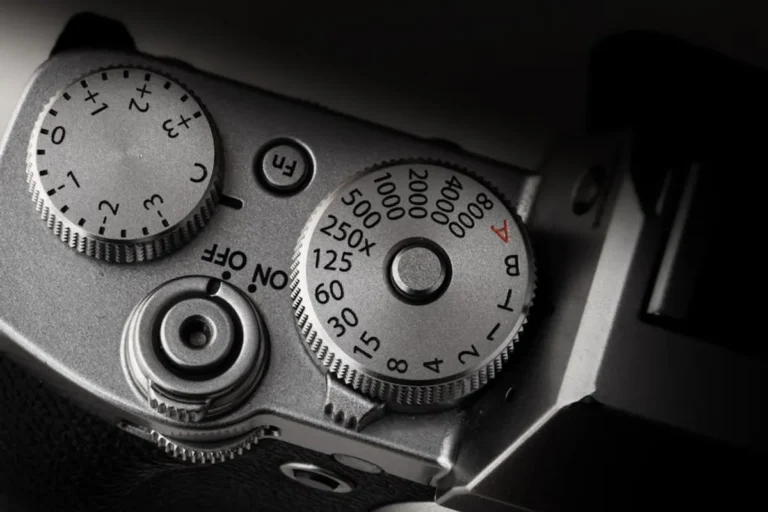
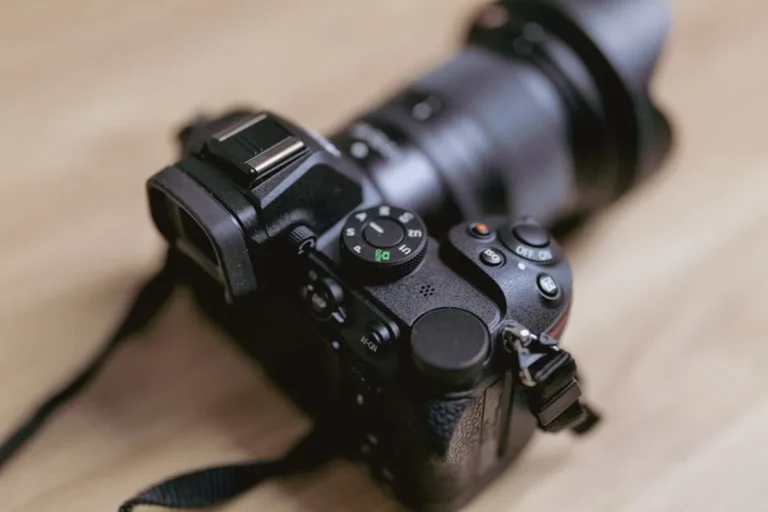
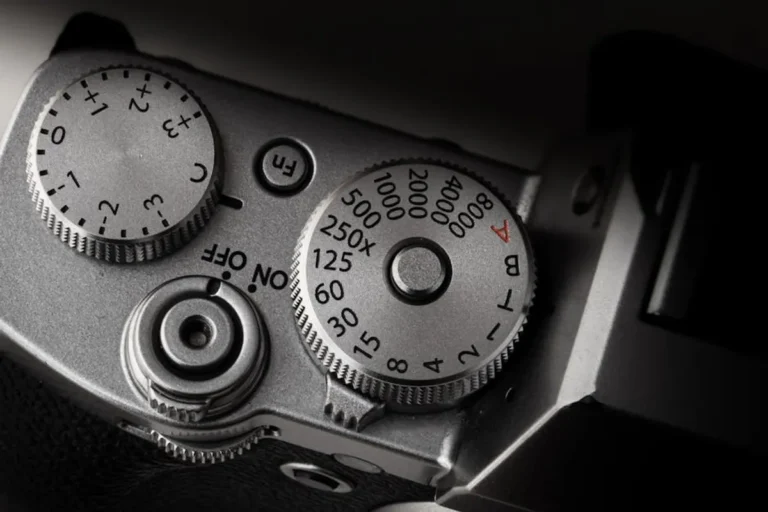
The reliability of equipment directly impacts the success of an event shoot. Failing to prepare adequately—such as not charging batteries, forgetting spare memory cards, or neglecting to pack backup cameras and lenses—introduces unnecessary risk. Event environments are often unpredictable, and equipment can fail or be damaged. Without redundancy, a single technical issue can halt an entire shoot or result in lost footage.
Consequence: Equipment failure leading to missed critical shots, downtime during the event, and the inability to adapt to changing conditions like varying light levels or distances.
Skipping Venue Reconnaissance
Understanding the event venue beforehand is crucial for anticipating challenges and identifying opportunities. A site visit allows photographers to assess lighting conditions (natural and artificial), identify power sources for charging or lighting equipment, note potential obstructions, and determine optimal vantage points for capturing key moments. Without this foresight, photographers may arrive unprepared for difficult lighting, cramped spaces, or unexpected visual clutter.
Consequence: Suboptimal image quality due to poor lighting, awkward compositions, and an inability to navigate the space efficiently, resulting in a less comprehensive visual narrative.
On-Site Execution Errors
Poor Lighting Management
Relying solely on available light, especially in challenging indoor or evening settings, often leads to underexposed, noisy, or inconsistently lit images. Conversely, improper use of on-camera flash can create harsh shadows, unflattering highlights, and a flat, artificial look. Effective lighting management involves understanding how to augment existing light with off-camera flashes, diffusers, or reflectors to create balanced, professional-looking images that enhance subjects without distracting from the scene.
Consequence: Inconsistent exposure, unflattering portraits, and a lack of visual depth, which collectively detract from the professional polish of the final image set.
Ignoring Composition Fundamentals
Even with perfect exposure and focus, a poorly composed image lacks impact. Common compositional errors include placing subjects dead-center in every frame, failing to use leading lines or natural frames, and not paying attention to distracting elements in the background. Good composition guides the viewer's eye, creates visual interest, and tells a more compelling story.
Consequence: Visually unengaging photographs, subjects that appear lost or awkwardly placed, and a gallery that lacks artistic merit despite technical competence.
Failing to Capture Candid Moments
While posed group shots have their place, the true essence and energy of an event are often found in candid interactions. Photographers who are too intrusive, too focused on static shots, or lack the ability to anticipate genuine reactions miss out on capturing authentic emotions and spontaneous connections. These unscripted moments are often the most cherished by clients, providing a deeper, more human narrative.
Consequence: A sterile photo gallery that lacks emotional depth, failing to convey the true atmosphere and genuine interactions of the event, thereby reducing its storytelling power.
Overlooking Audio-Visual Elements
Many events feature presentations, screens, or stage lighting that are integral to the experience. Photographers often struggle to capture these elements effectively, resulting in images with distracting glare, unreadable screen content, or color shifts from LED lighting. Proper technique involves adjusting shutter speed to avoid flicker, using polarizing filters to reduce reflections, and understanding how to expose for both the screen and the surrounding environment.
Consequence: Unusable photos of key presentations or branding, visual artifacts like banding or color shifts, and an incomplete record of the event's multimedia components.
Pro Tip: Establish clear, documented communication with your client well before the event. Confirm the shot list, key individuals, timeline, and any specific brand guidelines. Misunderstandings about expectations are a leading cause of client dissatisfaction, regardless of image quality.
Post-Production Pitfalls
Inconsistent Editing Style
A cohesive look across an entire event gallery is crucial for professionalism. Inconsistent editing—varying color grading, exposure levels, white balance, or cropping—creates a disjointed and amateurish impression. This often occurs when photographers rush the editing process, lack a defined workflow, or delegate editing without clear style guides.
Consequence: A fragmented visual narrative, diminished perceived quality of the entire collection, and a lack of a distinct photographic signature, impacting brand perception.
Inadequate Backup and Storage
The loss of event photos due to insufficient backup procedures is a catastrophic and irreversible mistake. Relying on a single hard drive or failing to implement a robust backup strategy (e.g., the 3-2-1 rule: three copies of data, on two different media, with one copy off-site) puts all the captured memories at extreme risk. Data loss not only damages client trust but can also lead to significant financial and reputational harm.
Consequence: Irretrievable images, severe damage to client relationships, potential legal repercussions, and a complete loss of all captured work.
Slow or Missed Delivery Deadlines
Clients often have specific timelines for receiving event photos, especially for marketing campaigns, press releases, or social media updates. Underestimating the time required for post-production, failing to communicate potential delays, or simply missing agreed-upon deadlines can cause significant frustration. Punctual delivery is as important as image quality in professional service.
Consequence: Client dissatisfaction, missed marketing opportunities for the client, negative reviews, and a damaged professional reputation that can deter future business.
Establishing a Professional Standard
Avoiding these common event photography mistakes requires a proactive approach, combining thorough preparation with disciplined execution and meticulous post-production. Develop a robust workflow that includes detailed client consultations, comprehensive gear checks, venue assessments, and a consistent editing process. Prioritize reliable backup solutions to safeguard valuable imagery. By consistently delivering high-quality, relevant images on time, photographers not only satisfy immediate client needs but also build a strong, trustworthy reputation essential for long-term success in a competitive market.
Frequently Asked Questions
What is the most critical mistake to avoid in event photography?
The most critical mistake is inadequate pre-event planning, specifically neglecting a detailed shot list and failing to conduct venue reconnaissance. These oversights directly impact a photographer's ability to capture key moments and adapt to the event environment, leading to missed shots and client dissatisfaction.
How can I ensure consistent lighting in varied event environments?
Achieving consistent lighting involves a combination of techniques: understanding and utilizing available light effectively, employing off-camera flash with modifiers (like diffusers or softboxes) to create softer, more directional light, and adjusting camera settings (ISO, aperture, shutter speed) to balance ambient and artificial light sources.
What is a reliable backup strategy for event photos?
A reliable backup strategy follows the 3-2-1 rule: keep at least three copies of your data, store them on two different types of media (e.g., internal SSD and external hard drive), and ensure one copy is off-site (e.g., cloud storage or a separate physical location). This minimizes the risk of data loss from hardware failure, theft, or disaster.
How do I balance capturing posed and candid shots effectively?
To balance posed and candid shots, work with your client to identify essential posed groups or individuals for a dedicated portion of the event. For candid moments, blend into the background, anticipate interactions, and use longer lenses to capture genuine expressions without being intrusive. A detailed shot list helps allocate time for both.