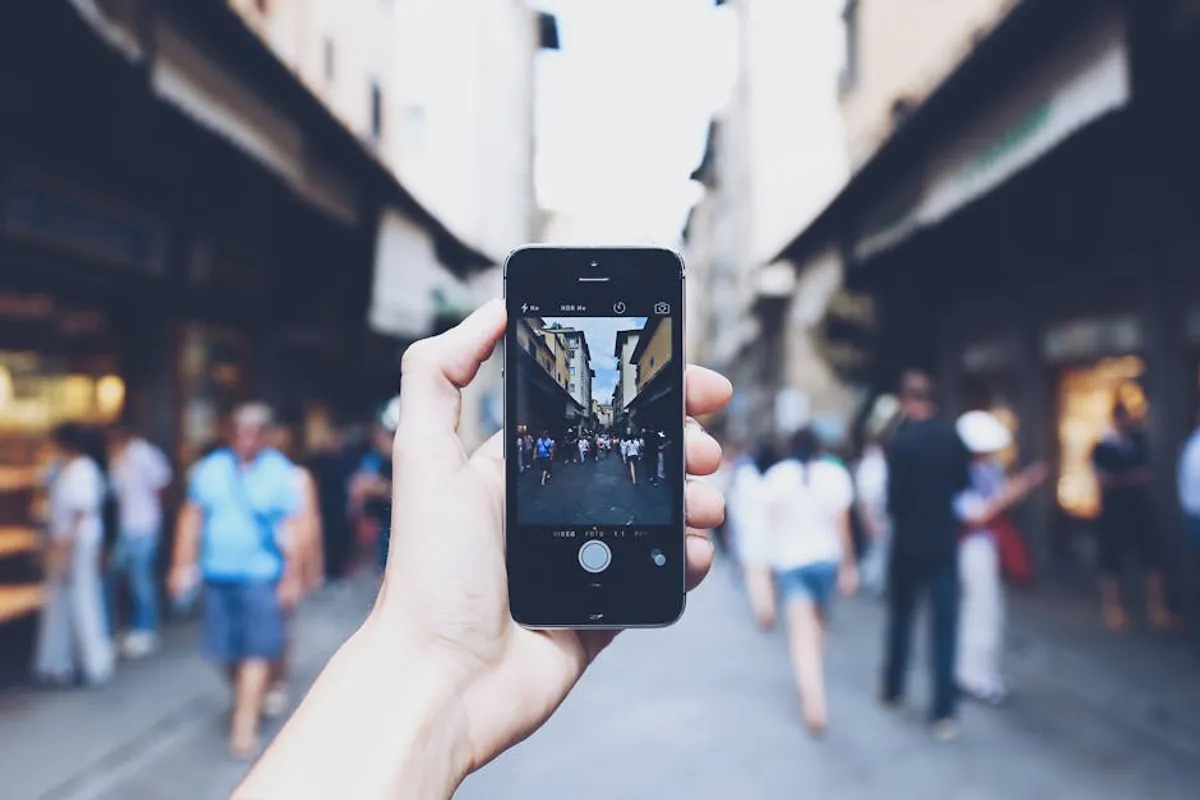
Understanding street photography involves more than just recognizing a candid shot; it requires dissecting the elements that elevate an image from a snapshot to a compelling narrative. For marketers, content creators, and publishers, analyzing effective street photography examples offers crucial insights into visual storytelling, capturing authenticity, and conveying emotion—all vital components for engaging audiences and building brand identity. These examples demonstrate how to observe the subtle interactions of urban life, harness environmental context, and leverage light to create impactful imagery that resonates commercially, whether for editorial features, social campaigns, or product narratives. For those new to the genre, understanding these examples can serve as an excellent introduction for beginners to street photography.
The Foundational Styles of Street Photography
Street photography encompasses diverse approaches, each with distinct visual characteristics and commercial applications. Recognizing these styles helps in curating or creating imagery that aligns with specific communication goals.
Candid Documentary: Capturing Unposed Reality
This style emphasizes authenticity, documenting subjects in their natural, unposed state. The strength lies in conveying genuine human experience and unfiltered moments. Examples often show people engrossed in daily activities, oblivious to the camera. The commercial utility is significant for brands seeking to project transparency, relatability, or a "slice of life" aesthetic. For instance, a coffee brand might use candid street shots to evoke the everyday ritual of enjoying their product, rather than staged studio shots. The unvarnished truth captured here lends credibility to a narrative.
Geometric and Abstract: Finding Form in Urban Spaces
Focusing on lines, shapes, patterns, and reflections, this style transforms mundane urban environments into visually striking compositions. Photographers often use architectural elements, shadows, and light to create abstract forms with human figures acting as secondary, compositional elements. These examples demonstrate how to distill complex scenes into minimalist, impactful visuals. Commercially, this approach appeals to design-conscious audiences and can be effective for architectural firms, urban development projects, or brands that value modern aesthetics and clean visual communication. The emphasis is on structure and visual harmony, often creating a sense of order within chaos.
Environmental Portraiture: People in Their Context
While still candid, environmental street portraits place a stronger emphasis on the individual or small group within their immediate surroundings. The environment itself becomes a character, providing context about the subject's life, profession, or mood. These examples offer a deeper narrative than a simple close-up, revealing the interplay between person and place. This style is particularly valuable for editorial features, human-interest stories, or brand campaigns that aim to highlight community, culture, or the real people behind a product or service. It adds layers of meaning by showing subjects in their natural habitat, making the story more immersive.
Techniques Illustrated Through Iconic Shots
Beyond broad styles, specific techniques are evident in compelling street photography examples, each contributing to the image's power and potential commercial impact.
Juxtaposition: Creating Narrative Tension
Juxtaposition involves placing two or more contrasting elements within the same frame to create visual tension, humor, or a deeper narrative. This could be a wealthy person walking past a homeless individual, an advertisement contradicting the reality below it, or an unexpected interaction between disparate objects. Effective examples use this technique to prompt viewers to think, question, or feel. For content creators, mastering juxtaposition allows for the creation of thought-provoking content that generates engagement and commentary, suitable for social media campaigns or editorial pieces that aim to spark conversation.
Decisive Moment: Anticipation and Timing
Coined by Henri Cartier-Bresson, the "decisive moment" refers to capturing an ephemeral event where all elements—composition, action, and emotion—converge into a perfect, impactful frame. This requires acute observation, patience, and impeccable timing. Examples showcase peak action, a fleeting expression, or a unique alignment of elements that would be lost a second later. Commercially, images captured at the decisive moment possess an undeniable energy and authenticity, making them highly shareable and memorable. They are excellent for conveying dynamism, spontaneity, and capturing the essence of an event or mood.
Light and Shadow Play: Shaping Mood and Form
The strategic use of available light and shadow is fundamental in street photography. Strong directional light can create dramatic contrasts, reveal textures, and sculpt subjects, while soft, diffused light can evoke a sense of calm or mystery. Examples often highlight silhouettes, harsh shadows creating abstract patterns, or subjects illuminated by a single shaft of light. Understanding how light shapes a scene allows for mood manipulation and visual emphasis. For brands, this translates into imagery that can evoke specific emotions—e.g., dramatic backlighting for a premium product, or soft natural light for an organic, wholesome message.
- High Contrast: Emphasizes form and drama, often used for powerful statements.
- Silhouettes: Creates mystery and focuses on shape, useful for iconic or abstract imagery.
- Spotlighting: Draws immediate attention to a specific subject or detail.
- Reflections: Adds depth, complexity, and often a surreal quality, suitable for innovative campaigns.
Pro Tip: When considering street photography examples for commercial use, always prioritize ethical considerations. Ensure subjects are not identifiable in a way that could cause them harm or exploit their image without consent, especially for paid campaigns. If faces are recognizable, securing model releases is crucial to avoid legal complications and uphold brand integrity. Editorial use often has different standards, but commercial applications generally require explicit permission.
Practical Application: Integrating Street Photography Principles
The principles evident in compelling street photography examples are directly applicable to broader content creation strategies. Marketers and publishers can leverage these insights to produce more authentic, engaging, and visually resonant content.
By studying how street photographers capture genuine moments, brands can refine their approach to lifestyle photography, ensuring their imagery feels less staged and more relatable. The focus on composition, light, and narrative tension translates into stronger visual assets for social media, website banners, and print advertisements. Furthermore, understanding the diversity of styles—from candid documentary to geometric abstraction—enables a more nuanced selection of imagery to match specific brand aesthetics and campaign objectives. The goal is to move beyond generic stock photos towards visuals that tell a story, evoke emotion, and build a deeper connection with the audience.
Frequently Asked Questions
What defines street photography?
Street photography is primarily characterized by candid, unposed images captured in public spaces, often focusing on human activity, urban environments, and the interplay between them. Its essence lies in capturing genuine moments and narratives from everyday life.
Is street photography legal everywhere?
Legality varies significantly by jurisdiction. Generally, photographing people in public spaces where they have no reasonable expectation of privacy is permissible. However, specific laws regarding privacy, property rights, and the commercial use of images differ, making it essential to understand local regulations.
How can street photography be used commercially?
Commercially, street photography can enhance brand authenticity, provide compelling editorial content, and create engaging social media visuals. It's used for lifestyle campaigns, travel promotions, human-interest stories, and to convey a sense of place or community. When identifiable individuals are featured, model releases are typically required.
What equipment is best for street photography?
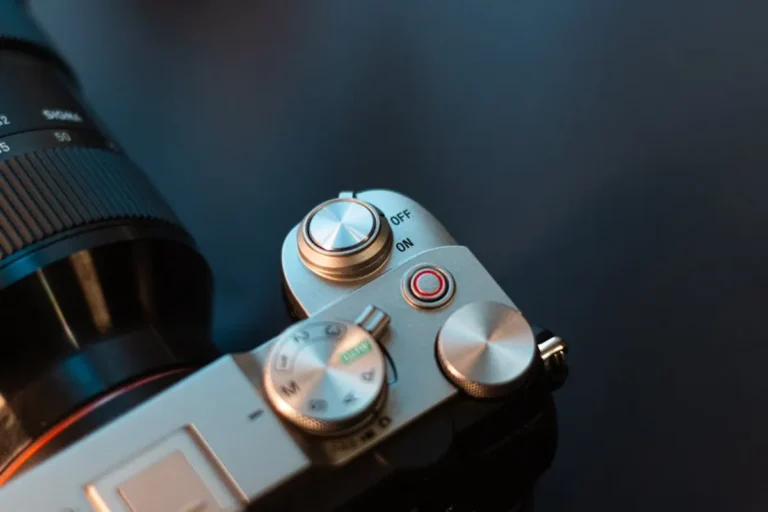
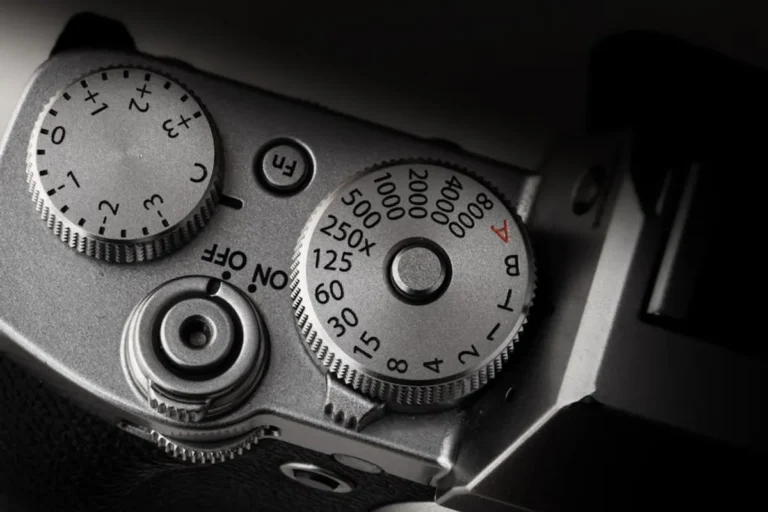
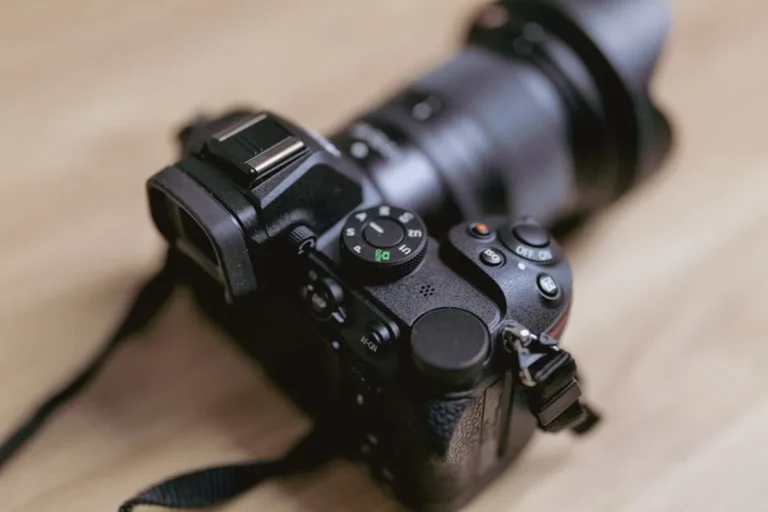
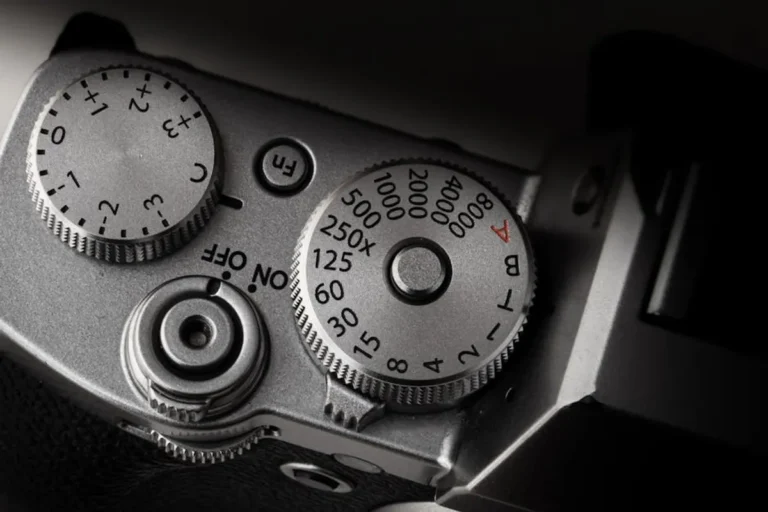
While any camera can be used, many street photographers prefer compact, discreet cameras with fast, quiet lenses. Mirrorless cameras, rangefinders, and even advanced smartphones are popular choices due to their portability and ability to blend into the environment without drawing undue attention.