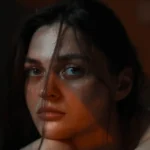

The portrait photography landscape continually evolves, driven by shifts in client expectations, cultural narratives, and technological advancements. For photographers and marketers, understanding these emerging trends is not merely about staying current; it is a strategic imperative that directly influences client acquisition, service differentiation, and portfolio relevance. Identifying which aesthetic and thematic directions resonate with contemporary audiences allows for proactive adjustments in technique, marketing, and client consultation. This anticipatory approach ensures that service offerings remain commercially viable and visually compelling in a competitive market.
Authenticity and Candid Moments
A significant movement in portraiture emphasizes genuine emotion and unposed interactions over meticulously staged scenes. Clients increasingly seek images that reflect their true selves, relationships, or brand identity without overt artifice. This trend manifests as less rigid posing directives, a preference for natural light, and a focus on capturing fleeting expressions or unscripted interactions. The goal is to produce images that feel relatable and honest, often achieved through documentary-style approaches within a portrait session.
- Characteristics: Soft, natural lighting; minimal retouching that preserves skin texture and natural features; subjects engaged in activities or conversation; compositions that feel spontaneous rather than constructed.
- Why it Resonates: A societal pushback against curated perfection on social media has fostered a desire for transparency and realness. For commercial clients, authentic portraits build trust and relatability with their audience.
- Practical Application:
- Gear: Fast prime lenses (e.g., 50mm f/1.4, 85mm f/1.8) for shallow depth of field and low-light capability, allowing for discreet shooting.
- Technique: Guide subjects with prompts rather than strict poses. Encourage movement, interaction, and genuine laughter. Shoot in continuous mode to capture micro-expressions.
- Post-processing: Prioritize natural color grading. Retouching focuses on enhancing, not altering, the subject's appearance.
Best for: Family portraits, lifestyle photography, personal branding, editorial features where genuine connection is paramount.
Environmental Storytelling
Beyond simply photographing a person, environmental portraits integrate the subject within their surroundings to convey a deeper narrative. The location becomes a character, offering context about the subject's profession, passions, or personal history. This trend moves away from studio backdrops, favoring real-world settings that add layers of meaning and visual interest to the image. The composition often balances the subject's presence with significant elements of their environment.
This approach is particularly potent for commercial applications, where a portrait needs to communicate more than just a face. For instance, a chef in their kitchen, an artist in their studio, or an entrepreneur in their workspace tells a more complete story than a headshot alone.
- Characteristics: Wide to medium shots that include relevant background details; thoughtful use of foreground and background to enhance narrative; lighting that complements the natural ambiance of the location.
- Why it Resonates: Provides rich context and makes portraits more engaging. It allows viewers to understand the subject's world, fostering a stronger connection. For brands, it's a powerful tool for visual storytelling.
- Practical Application:
- Location Scouting: Crucial for identifying visually compelling and narrative-rich environments. Consider how elements within the scene can reinforce the subject's story.
- Composition: Employ leading lines, framing, and depth to draw attention to both the subject and their environment. Ensure the background supports, rather than distracts from, the subject.
- Lighting: Utilize natural light whenever possible to maintain authenticity. Supplement with subtle artificial light to highlight the subject or key environmental details without overpowering the scene.
Best for: Corporate headshots, personal branding, artist portfolios, editorial features, and documentary-style projects.
Retro and Analog Aesthetics
A resurgence of interest in vintage photography aesthetics continues to influence modern portraiture. This trend encompasses a range of looks, from the soft, ethereal qualities of film photography to the distinct color shifts and grain of specific analog processes. It's often characterized by muted color palettes, warm tones, deliberate grain, and sometimes, intentional imperfections like light leaks or vignettes. The appeal lies in its nostalgic quality and the unique, often imperfect, charm that digital photography can emulate but rarely replicate precisely.
This trend is not merely about applying a filter; it involves a deeper understanding of historical photographic processes and their visual characteristics. For photographers, it represents an opportunity to offer a distinct style that stands out from the often-clinical perfection of digital images.
Pro Tip: While embracing retro aesthetics, ensure the chosen style aligns with the client's brand or personal vision. Overuse of heavy filters or artificial imperfections can detract from the subject rather than enhance the mood. Balance nostalgic elements with contemporary clarity for commercial appeal.
- Characteristics: Grainy textures; desaturated or specific color grading (e.g., warm, sepia, faded); soft focus or selective sharpness; sometimes, square or other non-standard aspect ratios.
- Why it Resonates: Evokes a sense of nostalgia, timelessness, and artistic craftsmanship. It offers a distinct visual signature that differentiates portraits from the hyper-realistic digital norm.
- Practical Application:
- Editing Software: Utilize advanced color grading tools and grain emulation features in software like Adobe Lightroom or Capture One. Experiment with film simulation presets.
- Technique: Consider shooting with actual film cameras for a truly authentic look, or use digital cameras that offer strong film simulation modes. Understand how different film stocks (e.g., Portra, Fuji 400H) influence color and grain.
- Styling: Incorporate vintage clothing, props, or locations to complement the aesthetic, creating a cohesive visual narrative.
Best for: Fashion editorials, artistic portraits, wedding photography, and clients seeking a distinctive, timeless, or unique visual brand.
Strategic Trend Adoption
Integrating these portrait photography trends into a commercial practice requires more than simply replicating popular styles. It demands a strategic understanding of how each trend serves specific client needs and enhances a photographer's unique selling proposition. Analyze your target audience and current client base to determine which trends will genuinely resonate and provide tangible value. For instance, a corporate client seeking updated headshots might prioritize authenticity and environmental context, while a fashion brand might lean towards retro aesthetics for a campaign.
Continual refinement of your skills, particularly in lighting, composition, and post-processing, is essential to execute these trends effectively. Regularly review your portfolio, ensuring it reflects current demands while maintaining a consistent artistic voice. This balanced approach allows for commercial relevance without sacrificing creative integrity.
Frequently Asked Questions
How quickly do portrait photography trends change?
Major aesthetic shifts typically evolve over several years, but subtle nuances and popular interpretations can change more rapidly, often influenced by social media and cultural movements. Core trends like authenticity tend to have longer lifespans, while specific color grading or editing styles may shift annually.
Should I follow every emerging trend?
No. Blindly following every trend can dilute your unique photographic voice. Instead, identify trends that align with your artistic vision and business goals. Integrate them thoughtfully into your existing style or offer them as specialized services to attract specific client segments.
How can I find my own style while incorporating trends?
Your unique style develops from your personal vision, preferred techniques, and consistent aesthetic choices. Use trends as inspiration or a framework, then adapt them through your lens. Experiment with how you combine elements of a trend with your signature lighting, composition, or subject interaction methods.
What role does diversity play in current portrait trends?
Diversity and inclusivity are critical considerations across all modern portrait trends. Clients and audiences increasingly expect authentic representation of various ethnicities, body types, ages, and identities. Incorporating diverse subjects and narratives within authentic, environmental, or retro aesthetics enhances relevance and broadens commercial appeal.