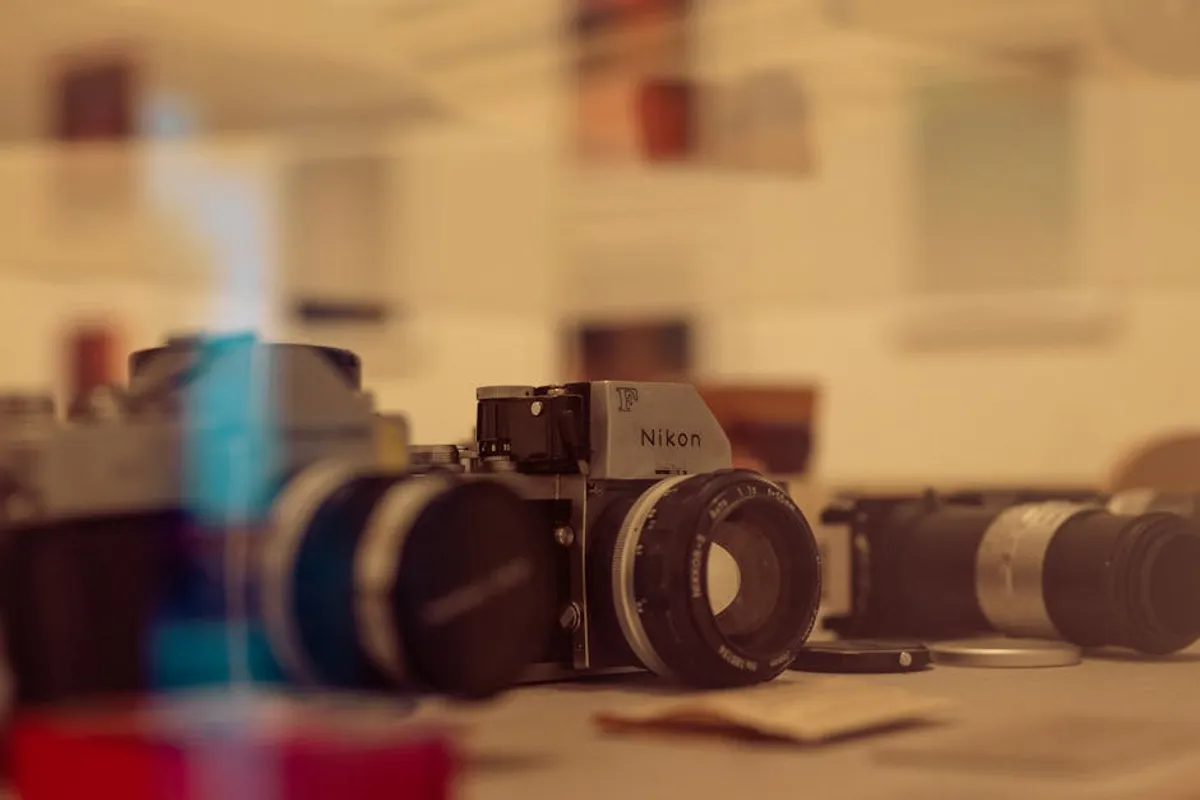
Capturing art, culture, and people effectively requires more than just technical camera skills; it demands a nuanced understanding of context, ethical considerations, and the narrative you aim to convey. For commercial purposes, such as editorial features, marketing campaigns, or archival documentation, precision and authenticity are paramount. This guide outlines practical approaches to ensure your photography not only looks professional but also respects the subject matter and serves its intended commercial application.
Photographing Art: Objects and Installations
When documenting art, the objective is typically faithful reproduction and contextual representation. Whether it's a painting, sculpture, or an immersive installation, the photography must accurately reflect the artist's intent and the piece's physical attributes.
Technical Precision for Art Reproduction
Accurate reproduction hinges on controlled lighting and precise camera settings. For two-dimensional art, even, diffuse illumination is critical to avoid glare and hot spots. Employing polarized light sources and a polarizing filter on your lens can significantly reduce reflections on glossy surfaces. Color temperature consistency is also vital; use continuous lighting with a high Color Rendering Index (CRI) or ensure your white balance is meticulously calibrated to the ambient light.
Camera Settings: Set your camera to its lowest native ISO (typically 100 or 200) to minimize noise and maximize dynamic range. A narrow aperture, such as f/8 to f/16, ensures maximum depth of field, rendering the entire artwork sharp. Use a tripod and a remote shutter release to eliminate camera shake, especially with longer exposures necessitated by narrow apertures and low ISOs. For color accuracy, include a color checker card in an initial reference shot under the same lighting conditions; this aids in post-processing color correction.
Equipment: Prime lenses often offer superior sharpness compared to zooms. A macro lens is indispensable for capturing intricate details of sculptures or brushstrokes. For installations, a wide-angle lens can capture the full scope, while a standard prime provides a natural perspective.
Capturing Context for Installations
Installations are site-specific, and their environment is integral to their meaning. Photography should convey this relationship. Compose shots that show the scale of the artwork relative to its surroundings and any human interaction within the space. Multiple perspectives are necessary: wide shots to establish the overall scene, medium shots to highlight key components, and detail shots to reveal textures or specific elements. Consider how the viewer moves through or around the installation and aim to tell that story through your sequence of images.
Documenting Culture: Events and Traditions
Photographing cultural events and traditions requires a blend of observational skill, technical adaptability, and deep respect for the subjects and their practices. The goal is to authentically capture the essence and narrative of the moment without intrusion.
Respectful Engagement and Observation
Permission and Ethics: Always seek explicit permission, especially when photographing individuals or sacred ceremonies. Understand and adhere to local customs regarding photography. In many cultures, direct eye contact or certain gestures can be misinterpreted. Researching the event beforehand provides context and helps anticipate key moments, allowing you to be prepared without being obtrusive. A long lens can be useful for maintaining distance while still capturing intimate details.
Discretion: Blend into the environment as much as possible. Use quieter camera modes or equipment, and avoid disruptive flash photography unless absolutely necessary and permitted. Your presence should not alter the event's natural flow. Observe interactions and emotions, and be ready to capture them as they unfold naturally.
Telling a Story Through Imagery
A successful series of cultural photographs tells a coherent story. Begin with establishing shots that set the scene, followed by images of key actions, rituals, or performances. Crucially, capture the reactions and emotions of participants and observers. These human elements often provide the most compelling narrative. Natural light is frequently preferred for its authenticity in cultural documentation, but be prepared to subtly augment it with reflectors or minimal, diffused flash if conditions demand.
Portraiture and People in Context
Photographing people, whether formal portraits or candid shots within a cultural setting, necessitates building trust and understanding the subject's comfort level. The resulting images should be authentic and respectful.
Building Rapport and Trust
Before raising your camera, engage with your subjects. Explain your purpose clearly and transparently. A brief conversation can put people at ease and lead to more natural expressions. Be patient and allow subjects to become comfortable with your presence. Consent is ongoing; if someone expresses discomfort, respect their wishes immediately. For commercial applications, especially, ensure you have appropriate model releases signed, outlining how the images will be used. If you're new to this genre, consider this a complete overview of portrait photography to help you get started.
Pro Tip: When photographing people, prioritize their comfort and privacy. Always obtain explicit consent, especially for close-up portraits or if images will be used commercially. A genuine smile and clear communication go further than any technical setting.
Mastering Light and Composition for Human Subjects
Soft, directional light is generally most flattering for human subjects. Natural window light, open shade, or a diffused flash off-camera can create pleasing results. Avoid harsh overhead sun, which creates unflattering shadows. For composition, apply principles like the rule of thirds, leading lines, and natural framing to guide the viewer's eye. Always focus sharply on the eyes, as they are the primary point of connection. Pay attention to the background; it should either be clean and uncluttered or provide relevant context without distracting from the subject.
Post-Processing for Impact and Accuracy
Post-processing is an integral step in refining your images, but for art, culture, and people, the emphasis should be on enhancement and accuracy, not heavy manipulation.
Maintaining Authenticity
Color Correction: For art reproduction, precise color correction is non-negotiable. Use your color checker reference shot to ensure colors are true to the original artwork. For cultural and people photography, aim for natural skin tones and accurate representation of the environment's colors. Adjust white balance, exposure, and contrast subtly to bring out the best in the image without altering its fundamental reality.
Sharpening: Judicious sharpening can enhance detail, but over-sharpening introduces artifacts and an unnatural look. Apply it carefully, often as a final step, with attention to edges and textures. Avoid excessive retouching that might misrepresent individuals or cultural elements.
Practical Considerations for Commercial Use
Beyond the capture and initial processing, commercial photography of art, culture, and people demands attention to metadata, file management, and licensing. These elements ensure your work is discoverable, properly attributed, and legally protected.
Metadata, including keywords, descriptions, and copyright information, is crucial for image discoverability and rights management. Embed this data directly into your image files. Always shoot in RAW format for maximum flexibility in post-processing, and deliver final images in high-resolution JPEG or TIFF formats, as specified by the client. Understanding and clearly defining usage rights and licensing terms with clients or subjects is essential for avoiding future disputes and ensuring fair compensation for your work.
Frequently Asked Questions
What camera settings are best for photographing artwork?
Use a low ISO (100-200), a narrow aperture (f/8-f/16) for depth of field, and a tripod with a remote release for sharpness. Ensure consistent, diffuse lighting.
How do I get permission to photograph people at cultural events?
Always seek explicit consent, especially for close-ups. Be polite, explain your purpose, and respect any refusals. Research local customs beforehand.
What's the most important aspect when photographing cultural events?
Respectful observation and authenticity are paramount. Blend in, avoid disruption, and focus on telling the event's story through genuine moments and emotions.
Should I use natural light or flash for art photography?
Controlled, diffuse continuous lighting is generally preferred for art reproduction to ensure even illumination and accurate color. Flash can be used if carefully diffused and angled to avoid glare, but natural light is often sufficient and more authentic for cultural events.