
Capturing the essence of a new destination through photography is a primary goal for many travelers. Yet, the pursuit of stunning visual memories often encounters common pitfalls that diminish the impact and authenticity of the final images. Understanding and actively avoiding these prevalent travel photography mistakes elevates your output from mere snapshots to compelling visual narratives. This guide outlines critical errors often made before, during, and after a trip, providing practical insights to refine your approach and ensure your travel photographs truly reflect the experience.
Overlooking Pre-Trip Planning
Effective travel photography begins long before you pack your camera bag. A lack of foresight in the planning stages can lead to missed opportunities, technical frustrations, and ultimately, a collection of images that fall short of their potential.
Neglecting Research on Destinations
Arriving at a location without prior photographic research is a significant oversight. Without understanding a destination’s unique characteristics, you risk missing peak lighting conditions, culturally significant events, or local customs that could enrich your visual story. For instance, not knowing that a specific market operates only on certain days, or that a landmark is best photographed at sunrise to avoid crowds and harsh light, means you're operating at a disadvantage. The consequence is often a series of generic photos that lack a distinctive sense of place or optimal visual quality.
Skipping Gear Preparation and Checks
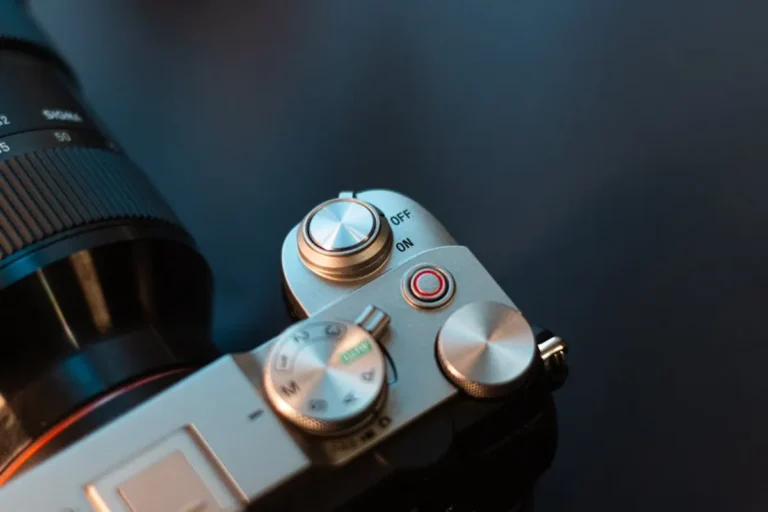
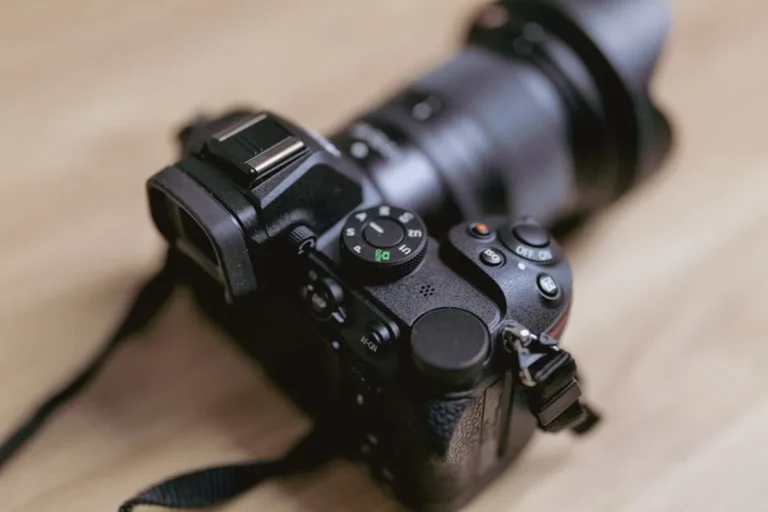
The excitement of travel often leads to hurried packing, overlooking essential gear checks. A dead battery, a full memory card, a dirty lens, or an untested piece of equipment can derail a crucial shooting opportunity. Imagine standing before an iconic vista only to find your camera battery depleted, or realizing your primary lens is smudged beyond repair without a cleaning kit. These preventable issues result in lost shots, frustration, and potentially compromised image quality, turning a memorable moment into a technical headache.
Technical Execution Errors
Even with the right gear and planning, the moment of capture demands attention to fundamental photographic principles. Technical missteps during shooting can render otherwise interesting subjects visually unappealing or unprofessional.
Poor Composition Choices
Composition is the backbone of a strong photograph, yet many travel photographers default to centered subjects or cluttered frames. Common compositional errors include placing horizons directly in the middle of the frame, cutting off limbs, or including distracting elements in the background. The result is often an unengaging image that fails to guide the viewer's eye, appearing amateurish and less impactful than the scene itself. Intentional use of the rule of thirds, leading lines, or natural framing can transform a mundane shot into a dynamic one.
Ignoring Lighting Conditions
Light is the photographer's most critical tool, and ignoring its nuances is a common mistake. Shooting in harsh midday sun often produces flat images with blown-out highlights and deep, unflattering shadows. Conversely, failing to utilize the "golden hour" (shortly after sunrise or before sunset) means missing out on warm, soft, and directional light that adds depth, texture, and mood. Photographs taken under poor lighting conditions often lack visual appeal and require extensive, sometimes impossible, post-processing to salvage.
Relying Solely on Auto Mode
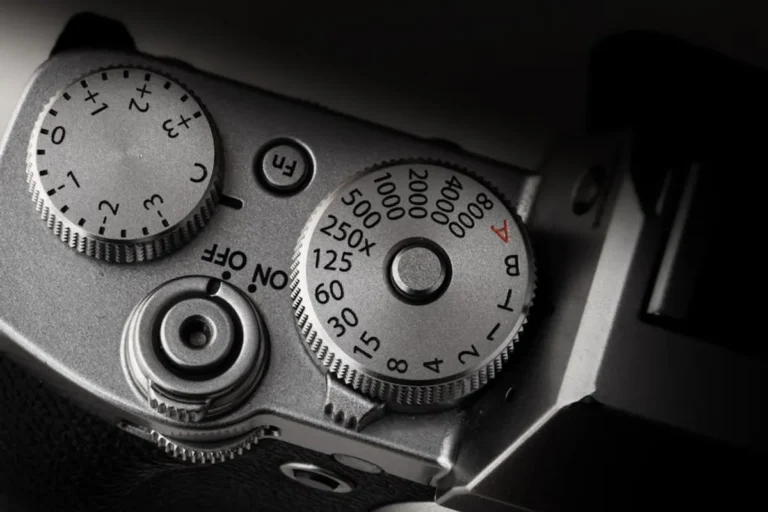
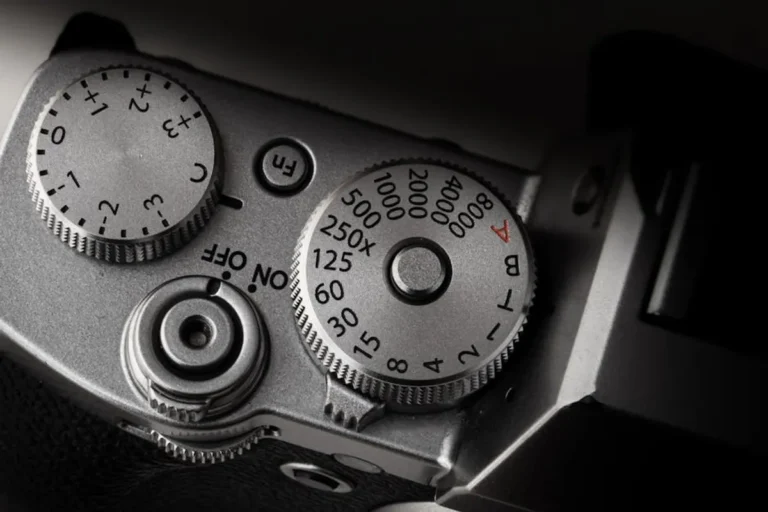
While auto mode offers convenience, it limits creative control. Many travel photographers stick to it, missing opportunities to intentionally manipulate depth of field, capture motion blur, or correctly expose challenging high-contrast scenes. Auto mode prioritizes a "correct" exposure over a creative one, often leading to generic images that lack artistic intent or fail to convey the desired mood. Understanding aperture, shutter speed, and ISO allows for deliberate choices that shape the narrative and aesthetic of your photographs.
Missing the Human Element and Local Context
Travel photography is as much about people and culture as it is about landscapes and landmarks. Overlooking the human aspect can lead to a collection of beautiful but ultimately impersonal images.
Prioritizing Landmarks Over Local Life
Focusing exclusively on famous landmarks, often from predictable viewpoints, results in images that are interchangeable with countless others. While iconic shots have their place, neglecting the vibrant local life, street scenes, and everyday interactions means missing the true pulse of a destination. These photos often lack a unique perspective and fail to tell a deeper story about the culture and people inhabiting the place.
Failing to Engage with Subjects Respectfully
Snapping photos of people without permission, especially in cultures where photography is sensitive, is both disrespectful and often yields forced, unnatural expressions. A quick, unacknowledged shot can create a barrier rather than a connection. The consequence is often a collection of impersonal or even ethically questionable images, missing the opportunity for genuine interaction and a more authentic portrait.
Rushing the Moment
Travel itineraries can be demanding, but rushing through photographic opportunities often leads to superficial results. Not waiting for the right light, a genuine expression, or an interesting interaction means settling for less impactful images. Patience allows moments to unfold naturally, capturing the subtle nuances that convey a deeper sense of place and emotion. Hasty shots frequently lack the depth and narrative power of those taken with deliberate observation.
Pro Tip: Always prioritize respect over the shot. When photographing people, especially in culturally sensitive areas, make eye contact, offer a smile, and ask for permission, even if it's with a gesture. A genuine connection, however brief, not only ensures ethical practice but often results in more authentic and compelling portraits. Be prepared to accept 'no' gracefully.
Post-Processing and Storage Blunders
The photographic process doesn't end with pressing the shutter. How you manage and refine your images afterward significantly impacts their final presentation and longevity.
Inconsistent Editing or No Editing
Many travel photographers either skip editing entirely or apply inconsistent styles across their collection. Unedited photos often appear flat, lacking the contrast, color balance, or sharpness needed to truly pop. Conversely, applying wildly different filters or processing styles can make a portfolio feel disjointed and unprofessional. A consistent editing approach enhances the visual appeal and narrative flow of your images, creating a cohesive body of work.
Inadequate Backup Strategy
Losing an entire trip's worth of photographs due to a single device failure (e.g., a lost SD card, a crashed hard drive) is a devastating but common mistake. Relying on a single storage location is inherently risky. Without a robust backup strategy, such as using external hard drives, cloud storage, or both, you risk irreversible loss of irreplaceable memories and potential commercial assets. A structured backup routine is non-negotiable for preserving your work.
Over-reliance on Filters
While filters can enhance an image, an over-reliance on heavy, generic, or trendy filters can strip a photograph of its authenticity and quickly date it. Applying a "one-size-fits-all" filter often distorts natural colors, flattens dynamic range, and diminishes the unique mood of the original scene. Thoughtful, subtle adjustments that enhance the existing qualities of an image are more effective and timeless than dramatic, artificial overlays.
Elevating Your Travel Photography
By actively addressing these common travel photography mistakes, you transition from merely documenting your travels to crafting meaningful visual stories. The emphasis shifts from simply capturing what's in front of you to thoughtfully composing, lighting, and processing images that evoke emotion and convey a deeper understanding of your destination. This intentional approach not only improves the technical quality of your photographs but also enriches your travel experience, fostering a more observant and respectful engagement with the world around you. Your enhanced visual content, in turn, holds greater value for personal reflection, sharing, and potential commercial applications, offering a more professional and engaging representation of your journeys.
Common Questions About Travel Photography
What's the most crucial gear for travel photography?
Beyond a reliable camera body, a versatile lens (e.g., a 24-70mm or 24-105mm equivalent for full-frame) is often most crucial for covering a wide range of situations without needing multiple heavy lenses. Essential accessories include spare batteries, ample memory cards, and a lens cleaning kit. Prioritize lightweight, durable equipment that won't hinder your mobility.
How can I improve my composition skills quickly?
Start by consciously applying fundamental compositional guidelines like the rule of thirds, leading lines, and natural framing. Practice identifying and eliminating distracting background elements. Experiment with different angles and perspectives beyond eye-level. Reviewing your shots critically after each session, noting what works and what doesn't, is key to rapid improvement.
Is it acceptable to edit travel photos, or does it make them less authentic?
Editing is an integral part of modern photography. It's acceptable and often necessary to enhance travel photos, adjusting exposure, contrast, color balance, and sharpness to match what you saw or felt. The goal is enhancement, not misrepresentation. Avoid heavy manipulation that fundamentally alters the scene, preserving the authenticity of the moment while presenting it in its best light.
What's the best way to approach strangers for a portrait in a foreign country?
Always approach with respect and a friendly demeanor. Make eye contact and offer a smile. Learn a few basic phrases in the local language, such as "hello," "thank you," and "may I take your photo?" Show them your camera and gesture. If they agree, take a few quick shots, then show them the result and offer another "thank you." If they decline, respect their decision and move on gracefully.