
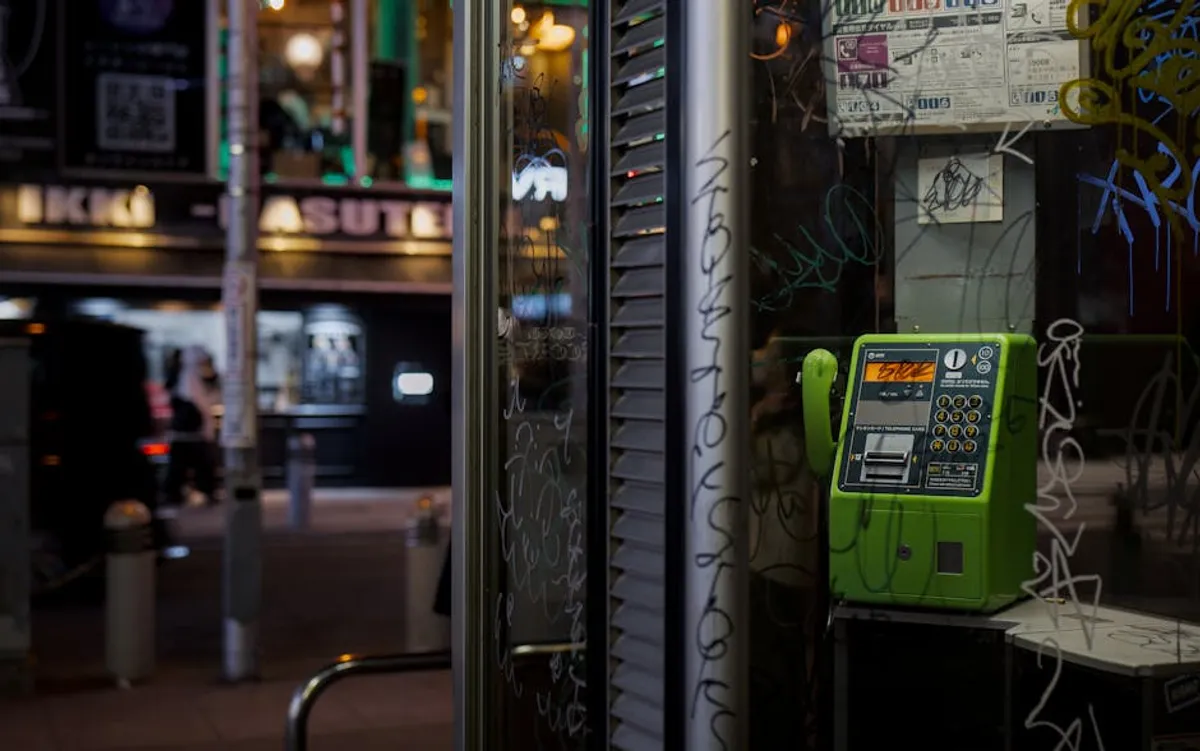
Street art, often dismissed as mere vandalism, has consistently proven itself a potent force in shaping urban identity and fostering community dialogue. Understanding the distinct movements within this art form is crucial for anyone examining city development, cultural trends, or public engagement strategies. Each era of street art has introduced new techniques, challenged prevailing norms, and redefined the relationship between residents and their shared public spaces, leaving an indelible mark on city culture worldwide. This detailed examination provides context for appreciating how these visual interventions have driven significant shifts in urban aesthetics, social commentary, and commercial interaction with the built environment.
Foundational Shifts: From Illicit Tags to Cultural Commentary
The evolution of street art is not monolithic; it comprises several distinct movements, each with unique motivations, methods, and impacts. These movements collectively illustrate a progression from spontaneous, often anonymous acts of rebellion to more organized, sometimes sanctioned, forms of public expression and critique.
Graffiti Writing: The Subterranean Language of the City
Originating in the late 1960s and flourishing in 1970s New York City, graffiti writing was initially a subcultural phenomenon driven by a desire for recognition and territorial marking. Artists, known as "writers," used spray paint to tag their names or crews on subway cars and city walls. This movement introduced a vibrant, often aggressive visual language characterized by:
- Stylistic Innovation: Development of "wildstyle" (intricate, interlocking letters), "bubble letters," and "throw-ups" (quick, large tags) that prioritized visual impact and legibility under fleeting conditions.
- Reclaiming Public Space: Subway trains, as moving canvases, transformed public transit into mobile art galleries, forcing public interaction with the art.
- Community and Competition: A strong internal hierarchy and competitive drive among writers pushed continuous innovation in style and scale, fostering a distinct subculture.
The cultural impact was immediate, transforming dilapidated urban landscapes into dynamic, if controversial, art zones. It established a precedent for unsanctioned public art as a form of communication and identity assertion, fundamentally altering how city residents perceived and interacted with their built environment.
Stenciling: Precision and Political Punch
Emerging prominently in the 1980s, stenciling offered a faster, more reproducible, and often more overtly political alternative to traditional graffiti. Pioneered by artists like Blek le Rat in Paris and later popularized globally, stenciling allowed for:
- Rapid Deployment: Pre-cut stencils enabled artists to apply complex images and messages quickly, reducing the risk of apprehension.
- Direct Messaging: The clarity of stenciled images often facilitated more direct social or political commentary compared to the abstract nature of wildstyle graffiti.
- Accessibility: The technique was relatively easy to learn, broadening participation beyond the dedicated graffiti subculture and attracting artists focused on specific messages rather than personal notoriety.
This movement shifted the focus from individual identity to broader societal issues, using public walls as platforms for critical discourse on consumerism, war, and social injustice. Stenciling democratized street art, making it a more accessible tool for widespread cultural critique.
Murals and Collaborative Public Art: Community and Revitalization
While murals have a long history, the late 20th and early 21st centuries saw a resurgence in large-scale, often sanctioned, public murals as a tool for urban revitalization and community engagement. This movement differs from earlier forms by often involving:
- Community Participation: Projects frequently involve local residents in design and execution, fostering a sense of ownership and collective identity.
- Urban Beautification: Murals are often commissioned to transform neglected spaces, deter vandalism, and enhance the aesthetic appeal of neighborhoods, directly impacting property values and tourism.
- Narrative and Heritage: Many murals tell stories of local history, celebrate cultural heritage, or address contemporary social issues, serving as visual anchors for community narratives.
This shift from illicit tagging to collaborative, often government- or privately-funded, public art demonstrates an evolving acceptance and integration of street art into mainstream urban planning. It highlights a commercial recognition of art's power to create desirable urban environments.
Ad Busting and Culture Jamming: Subverting Commercial Narratives
Ad busting, also known as culture jamming, emerged as a form of street art that directly challenged the pervasive commercial messaging in urban environments. Artists and activists would alter billboards, posters, and other advertisements to subvert their original meaning, often to:
- Critique Consumerism: Exposing the manipulative tactics of advertising and the environmental or social costs of consumption.
- Promote Alternative Messages: Replacing corporate slogans with political statements, environmental warnings, or humorous critiques.
- Reclaim Public Attention: Redirecting the gaze from commercial persuasion to critical thought, fostering a more engaged and skeptical public.
This movement underscores street art's capacity to act as a counter-narrative, disrupting the commercial landscape and prompting viewers to question the dominant cultural messages embedded in their daily lives. It represents a direct engagement with the commercial forces shaping city culture.
Post-Graffiti and The Gallery: Bridging the Divide
The turn of the 21st century saw a blurring of lines between traditional street art and fine art, giving rise to "post-graffiti" or "urban art." This movement often involves artists who began on the streets but transitioned to gallery exhibitions and commercial projects. Key aspects include:
- Diverse Mediums: Incorporating traditional painting, sculpture, digital art, and installation alongside spray paint and stencils.
- Commercialization and Collectibility: Street artists gaining mainstream recognition, leading to high-value sales, brand collaborations, and museum exhibitions.
- Global Reach: Artists traveling internationally, creating works in various cities, and fostering a global urban art scene.
This phase reflects street art's journey from a marginalized, illicit activity to a recognized, commercially viable art form, fundamentally changing its status and public perception within the broader cultural landscape.
Beyond Aesthetics: Street Art's Broader Impact
Pro Tip: When evaluating the impact of street art in urban settings, consider its legal status. Sanctioned murals often foster community pride and economic benefits through tourism, while unsanctioned works, though sometimes controversial, frequently serve as critical barometers of social unrest or emerging cultural trends. The commercial value of a district can significantly shift based on its reputation as an urban art hub.
The cumulative effect of these movements extends far beyond visual appeal. Street art has proven instrumental in:
- Fostering Local Identity: Giving distinct character to neighborhoods, differentiating them from generic urban sprawl.
- Driving Tourism: Transforming areas into cultural destinations, attracting visitors keen to experience unique public art.
- Catalyzing Gentrification: While often celebrated, the presence of vibrant street art can sometimes precede or accelerate gentrification, raising complex questions about authenticity and displacement.
- Promoting Social Commentary: Providing a public platform for voices that might otherwise be marginalized, sparking conversations on critical social and political issues.
- Influencing Brand Messaging: Brands increasingly look to street art aesthetics and artists for authenticity and connection with urban youth culture.
Navigating the Future of Urban Art: Preservation and Commercialization
The ongoing evolution of street art movements continues to reshape city culture. As cities increasingly recognize the economic and cultural value of public art, the tension between spontaneous expression and organized preservation grows. Urban planners, developers, and community leaders must consider how to integrate new forms of street art while respecting its historical context and maintaining its capacity for independent critique. The commercial viability of street art, now a global phenomenon, necessitates careful consideration of how authenticity is maintained amidst increasing demand for commissioned works and brand partnerships. The challenge lies in supporting the dynamism of street art without diluting its raw, transformative power.
Frequently Asked Questions About Street Art Movements
What defines a "street art movement" versus individual artists?
A street art movement is characterized by a shared set of aesthetic principles, techniques, motivations, or cultural contexts that emerge and evolve over a specific period, often involving multiple artists who influence each other and a broader urban environment. Individual artists, while important, contribute to or define these larger collective shifts.
How do cities typically respond to street art movements?
Responses vary widely, from aggressive suppression and eradication (viewing it as vandalism) to active embrace and commissioning of works for urban beautification and cultural tourism. Many cities now have dedicated public art programs that attempt to integrate street art into official urban planning.
Can street art be preserved, and how does that impact its nature?
Preserving street art, especially ephemeral works, is challenging. Techniques include documenting works through photography, digital archives, or even carefully removing and conserving physical pieces for galleries. Preservation can legitimize the art form but may also remove it from its original context, altering its raw, transient nature.
What is the commercial relevance of understanding street art movements?
Understanding these movements is crucial for urban developers, marketers, and cultural institutions. It informs strategies for placemaking, community engagement, brand identity, and tourism development. The aesthetic and cultural capital generated by street art can significantly influence a city's appeal and economic vitality.