
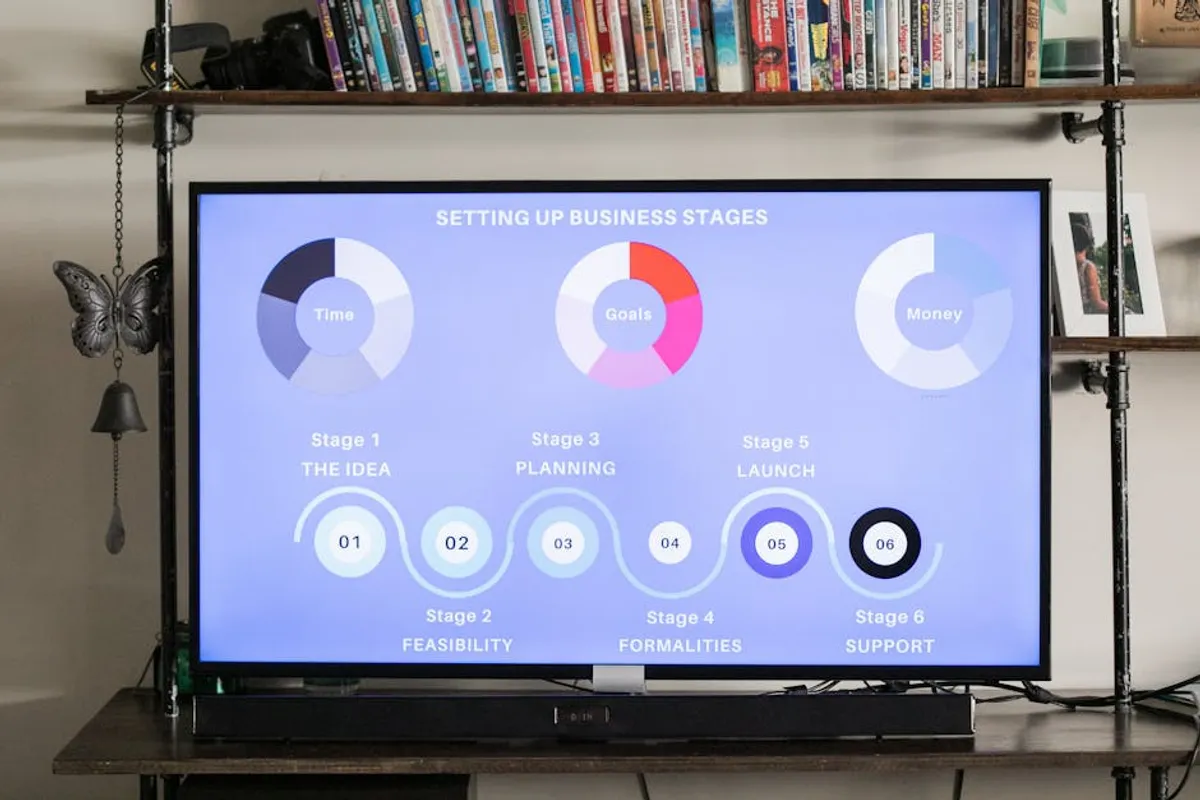
Building a visual story online transcends mere aesthetics; it is a strategic imperative for engaging audiences, conveying complex information efficiently, and establishing brand identity. In a content-saturated digital landscape, static text often struggles to capture attention and foster retention. A well-constructed visual narrative, however, can articulate value propositions, demonstrate product utility, or communicate brand ethos with immediate impact, leading directly to improved user experience, higher conversion rates, and stronger brand recall. The decision to invest in visual storytelling is a commitment to more effective communication, requiring a deliberate approach to content creation, distribution, and performance analysis.
Defining Your Narrative Core
Before any visual asset is created, the foundation of your story must be meticulously defined. This involves understanding who you are speaking to and what message you intend to deliver, ensuring every subsequent visual decision aligns with these core objectives.
Audience Identification
Effective visual storytelling begins with a precise understanding of your target audience. This extends beyond basic demographics; it requires insight into their pain points, aspirations, visual preferences, and the platforms they frequent. A B2B audience might respond to data visualizations and case study videos, while a B2C audience might engage more with lifestyle photography, short-form video, or interactive quizzes. Tailoring the visual language to resonate with specific audience segments maximizes engagement and ensures the story feels relevant to the viewer.
Core Message and Goal
Every visual story must serve a clear purpose. Identify the single, most important message you want to convey and the specific action you want the audience to take after consuming the story. Is it to educate, inspire, convert, or build community? A distinct goal provides a framework for selecting visual elements, determining narrative flow, and measuring success. Without a defined message and goal, visual content risks becoming disparate and ineffective, failing to guide the audience toward a desired outcome.
Pro Tip: Before production, draft a concise, single-sentence summary of your visual story's core message and desired audience action. This acts as a litmus test for all visual choices; if an element doesn't directly support this sentence, reconsider its inclusion.
Selecting the Right Visual Mediums
The choice of visual medium significantly impacts how your story is perceived and consumed. Each format offers distinct advantages for conveying different types of information and evoking specific emotional responses.
Photography and Illustration
Still imagery provides immediate context and emotional resonance. High-quality photography can convey authenticity, showcase product details, or capture moments that align with brand values. Illustration, conversely, offers greater control over abstraction and stylization, making it ideal for simplifying complex concepts, creating unique brand aesthetics, or communicating sensitive topics without relying on literal representation. The decision between the two hinges on the story's tone, complexity, and desired level of realism.
Video and Animation
Video is unparalleled for demonstrating processes, showcasing dynamic features, or telling sequential narratives with sound and motion. Short-form video excels on social platforms for quick engagement, while longer formats can build deeper connections through testimonials, tutorials, or brand documentaries. Animation offers flexibility for abstract concepts, character-driven narratives, or visualizing data points in an engaging, digestible manner. Both mediums demand careful scripting, production quality, and consideration for platform-specific viewing habits (e.g., mobile-first, sound-off playback).
Interactive Elements
Interactive visuals, such as infographics, quizzes, 360-degree experiences, or augmented reality (AR) filters, transform passive viewing into active participation. These mediums allow audiences to explore information at their own pace, personalize their experience, or visualize data in a dynamic way. Interactive elements increase dwell time, improve information retention, and provide valuable user data, but they require more complex development and careful user experience design to ensure intuitive navigation.
Crafting Compelling Visuals
Regardless of the chosen medium, the quality and intentionality of your visual assets are paramount. Poorly executed visuals undermine credibility and diminish the story's impact.
Composition and Aesthetics
Strong visual composition guides the viewer's eye and emphasizes key elements. This involves principles like the rule of thirds, leading lines, negative space, and a deliberate color palette. Consistency in aesthetic choices across all visual assets—from typography to filter application—reinforces brand identity and creates a cohesive narrative experience. A well-composed visual is not just attractive; it is functional, directing attention to the most important parts of your story.
Brand Consistency
Every visual element should align with your established brand guidelines. This includes:
- Color Palette: Consistent use of brand colors reinforces recognition.
- Typography: Specific fonts and text styles maintain a unified look.
- Imagery Style: A consistent approach to photography (e.g., bright and airy, dark and moody) or illustration (e.g., flat design, hand-drawn) ensures visual cohesion.
- Tone and Voice: Visuals should evoke the same emotional response and brand personality as your written content.
Inconsistency creates disjointed experiences and dilutes brand recall.
Technical Quality
High-resolution images, clear audio in videos, smooth animation, and responsive design for interactive elements are non-negotiable. Pixelation, blurriness, poor lighting, or choppy playback detract from professionalism and can lead to immediate disengagement. Technical quality directly impacts perceived value and trustworthiness. Ensure visuals are optimized for various devices and connection speeds without compromising fidelity.
Structuring for Impact and Flow
A visual story requires a deliberate structure to guide the audience through its narrative and ensure the message is absorbed effectively.
Sequential Storytelling
For narratives that unfold over time or require a specific order of information, sequential storytelling is critical. This involves arranging visuals in a logical progression, building tension, introducing characters or concepts, and culminating in a clear resolution or call to action. Think of it as a series of visual beats that collectively form a compelling arc. This is particularly effective for case studies, tutorials, or brand journeys.
Modular Content Design
In contexts where users might consume content non-linearly, a modular approach allows each visual element or short sequence to stand alone while contributing to a larger theme. This is useful for interactive infographics, complex data visualizations, or social media campaigns where individual posts need to be impactful but also part of a broader story. Each module should be self-contained enough to make sense on its own but also clearly linked to the overarching narrative.
Distribution and Optimization
Creating compelling visuals is only half the process; ensuring they reach the right audience and perform effectively is equally crucial.
Platform-Specific Adaptations
Visual stories must be adapted for the specific technical and behavioral nuances of each distribution channel. A vertical video for a social media story differs significantly from a horizontal video for a website or a high-resolution image for a print ad. Consider aspect ratios, character limits for accompanying text, optimal file sizes, and audience expectations for each platform. Repurposing content effectively means more than just reposting; it means reformatting and recontextualizing.
Performance Measurement
Establish key performance indicators (KPIs) relevant to your story's goals. For awareness, track reach and impressions. For engagement, monitor views, watch time, shares, comments, and click-through rates. For conversions, measure lead generation or sales attributed to the visual content. Utilize analytics tools to gather data, identify patterns, and understand what resonates with your audience. This data-driven approach informs future content strategy and optimizes ongoing campaigns.
Sustaining Your Visual Narrative
Building a visual story online is not a one-time project but an ongoing process of creation, iteration, and refinement. Regularly review your visual assets to ensure they remain fresh, relevant, and aligned with evolving brand objectives and audience preferences. Solicit feedback, experiment with new formats, and stay current with visual trends, always grounding your efforts in your core message and audience understanding. The most impactful visual stories are those that evolve with their audience, consistently delivering value and reinforcing brand identity over time.
Frequently Asked Questions
What are the essential elements of a strong visual story?
A strong visual story typically includes a clear narrative arc, high-quality and consistent visuals, a defined target audience, a specific message or call to action, and an emotional connection that resonates with viewers.
How do I measure the success of my online visual story?
Success is measured against your initial goals. Key metrics include engagement (likes, shares, comments), reach and impressions, click-through rates, conversion rates (sign-ups, purchases), and time spent viewing or interacting with the content.
What tools are commonly used for creating visual stories?
Tools vary based on the medium. For static images, image editing software and graphic design platforms are common. For video, professional video editing suites or simpler mobile apps are used. Interactive content often requires specialized web development or no-code interactive platforms.
Can a visual story be effective without a large budget?
Yes, effectiveness is more about creativity and strategic planning than budget size. Utilizing stock photography or video, leveraging user-generated content, or focusing on compelling, simple animations can create impact. The key is clear communication and strong execution within available resources.