Gear conversation in photography is mostly noise. Forum debates, YouTube reviews, gear-acquisition cycles consume substantial attention without producing better photography. After a year of sustained shooting in one city, I have specific data on what gear actually got used and what got abandoned.
The patterns are instructive. Here's the honest accounting.
What I actually used
Across the year, the gear that did approximately 95 percent of the work:
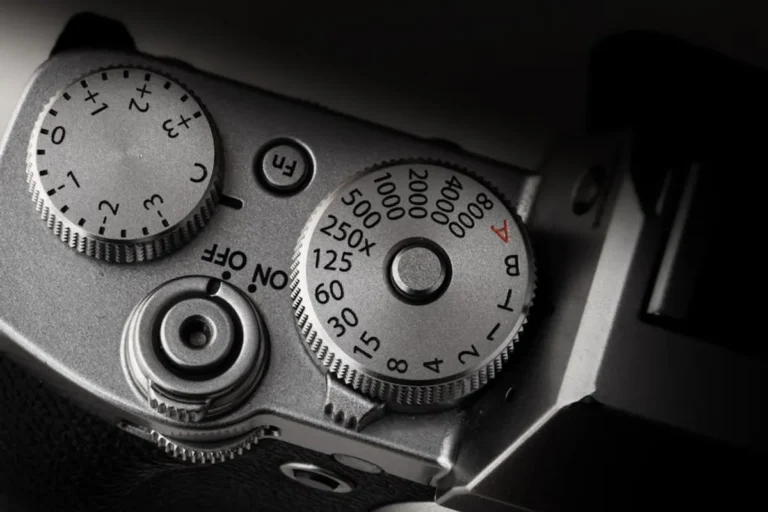
One camera body. A Fuji X-Pro3. Used it for substantially every shoot. The other bodies I own sat unused.
Three lenses. A 23mm f/2 (35mm equivalent), a 35mm f/2 (50mm equivalent), and a 56mm f/1.2 (85mm equivalent). The 23mm did most of the work; the 35mm did substantial work; the 56mm did less but specific work the others couldn't.
One bag. A small messenger bag holding the body and three lenses. The larger bags I own went unused.
One light meter. A handheld meter for specific situations. Used occasionally rather than constantly.
One small tripod. Compact travel tripod for specific situations. Used rarely.
That's the gear that produced 95 percent of the year's work.
What I abandoned
Gear I started the year using or planning to use that I abandoned:
A second camera body. I kept it as backup; never needed it. The single-body approach worked.
Multiple zoom lenses I owned. I told myself I'd use them for specific situations. I didn't. The primes did the work.
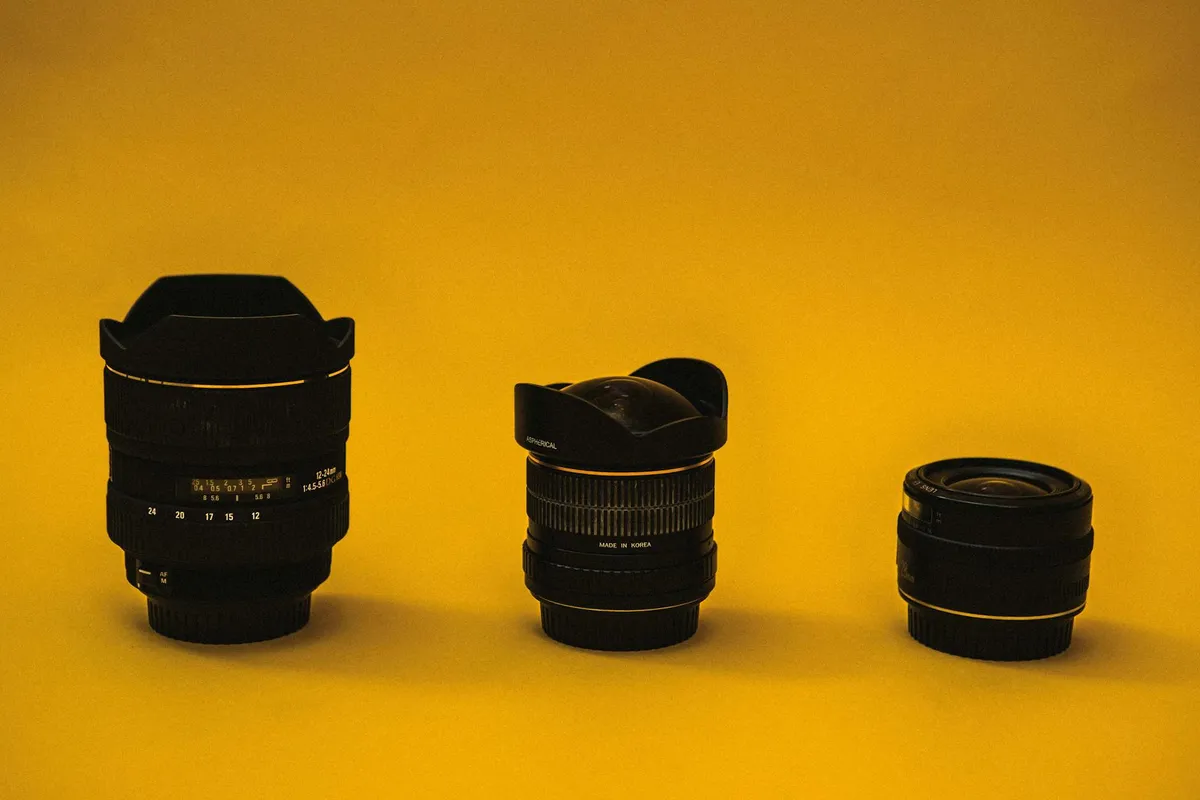
Specific specialty lenses. I owned a 90mm macro and an 8mm fisheye. Neither got substantial use.
A larger camera bag. Carrying more gear didn't produce better photography. The smaller bag was sufficient.
External flash. I started the year planning to use flash for specific work. Abandoned within two months — natural light gave me better results for what I was photographing.
Various filters. Polarizers, ND filters, specific creative filters. Almost no use.
A heavier tripod. The compact one served all needs.
The abandoned gear sits in a closet. The pattern of what I actually use versus what I own is substantially more compressed than my equipment closet suggests.
What the patterns reveal
Across what I used and abandoned, certain patterns emerge:
One body, three lenses covers most photographic needs. The "more gear = more capability" assumption is mostly wrong for sustained personal work.
Primes outperform zooms for project work. The constraint of fixed focal lengths produces better thinking. Zooms encourage lazy positioning.
Natural light is sufficient for most situations. Flash work has specific applications; most personal photography doesn't need them.
Smaller bags produce better mobility. Carrying less means walking more, which produces better photography for street and urban work.
Backup gear is rarely needed. Cameras and lenses generally don't fail in normal use. The redundancy I planned for didn't materialize as need.
The patterns suggest substantial gear minimalism produces better work than gear maximalism for the kind of photography I do.
What I would buy if starting over
If I were assembling a kit from scratch knowing what I now know:
One camera body. Capable; not necessarily the most expensive.
Two lenses. A 35mm equivalent and a 50mm equivalent. The third lens (an 85mm) would be optional.
One small bag.
One memory card management system (I use multiple cards rather than one large card).
One charging system.
One basic tripod for situations requiring stillness.
That's it. The kit fits in a small bag. It produces all the photography I actually need to make.
The substantial gear closet I have isn't making my photography better. It's making my photography slightly worse by adding decisions about what to bring and reducing the immediacy of always having one specific kit.
Why I bought gear I didn't need
The honest accounting of why I have gear I don't use:
Forum and YouTube influence. Gear discussion convinced me of capabilities I didn't need.
Professional rationalization. "I might need it for a job" justified purchases that didn't pay back.
Specific aspirational thinking. "When I do that kind of project, I'll need this." The projects either didn't happen or didn't need the gear.
Gear-acquisition cycles. New releases produced upgrade impulses that didn't track actual needs.
Trading rather than selling. Specific gear I no longer wanted I traded for other gear I didn't end up using either.
The patterns are recognizable. They're also not unique to me — most photographers who've been shooting for years have similar patterns.
What gear conversation gets wrong
Photography forums and YouTube gear coverage typically frame gear in ways that don't match how gear actually functions:
Focusing on capabilities photographers rarely need. Burst speed, video specs, weather sealing for situations most photographers don't encounter.
Comparing gear in tests that don't reflect actual use. Studio comparisons miss field reality. Sharpness charts don't track actual photography.
Inflating specific differences between similar gear. Marginal differences get treated as transformative.
Treating gear acquisition as the path to better photography. The actual path is sustained practice with whatever gear you have.
Underplaying simple gear that's entirely sufficient. The compelling content is about new and complex gear; simple gear that works receives less attention.
The framing produces substantial gear acquisition that doesn't improve photography. Photographers buy what gets covered rather than what they'd benefit from.
What gear actually does
To be specific about what gear does:
Cameras capture light. Most modern cameras do this well enough for most photography. The differences between competent cameras are smaller than gear discussion implies.
Lenses determine image character. The lens shapes the look more than the camera. Different lenses produce different photography even with the same camera.
Light shaping (flash, reflectors, modifiers) shapes the light. Useful for specific kinds of work; not necessary for most photography.
Tripods enable specific kinds of shots. Long exposures, low-light, specific compositional work. Not needed for most handheld photography.
Filters affect specific qualities of light reaching the sensor. Useful for specific applications; not transformative for most work.
The honest picture is that gear has specific uses for specific situations. Gear doesn't make photography better in general; it enables specific kinds of work that can't be done without it.
What gear doesn't do
Things gear won't solve:
Lack of seeing. Better gear won't make you see better. Seeing develops through sustained looking, not through equipment.
Compositional weakness. Sharper sensors won't fix bad compositions.
Subject choice problems. No camera makes uninteresting subjects interesting.
Editing weakness. The best capture in the world doesn't survive bad editing.
Process problems. Without sustained photographic practice, no gear produces good work.
Gear is one variable. Other variables matter substantially more for whether photography is good.
Specific recommendations for different kinds of photographers
For different working contexts:
Street and urban photography: One small body, one to two prime lenses (35mm and 50mm equivalents). That's it.
Documentary and project work: Similar small kit. Maybe add a longer lens for occasional detail work.
Portrait work: Body plus 50mm equivalent and 85mm equivalent. Light shaping equipment for studio work.
Landscape work: Body, wide lens, normal lens, telephoto if budget allows. Tripod. Filters for specific situations.
Wildlife work: Body and long telephoto. Substantial difference from other photography in gear requirements.
Wedding and event work: Two bodies (genuine professional need for redundancy in this context). Multiple lenses for different framing needs. Flash.
Different photography has different requirements. Within each context, the requirements are usually less than general gear discussion implies.
What buying gear actually does
The psychology of gear acquisition:
It produces a brief feeling of progress. The new gear feels like commitment to better photography.
It briefly enables enthusiasm. Trying the new gear produces engagement that may or may not translate to better work.
It rarely produces sustained better photography. The new gear gets used for a while, then becomes part of the kit at the same level as previous gear.
It accumulates. The closet fills. The unused gear creates ongoing low-level guilt.
It exits eventually. Gear gets sold, traded, or stored indefinitely.
The pattern is consistent. Acquisition produces brief positive affect, modest practical benefit, and substantial accumulated cost.
How to actually improve photography
For improving photography (rather than for justifying gear acquisition):
Photograph more. Sustained practice matters substantially more than gear.
Edit more rigorously. Selection skill develops through practice.
Look at substantial work. Books, exhibitions, considered photography from history.
Get critique from people whose judgment you trust. Honest assessment improves work.
Limit gear. The constraint produces better thinking. The simplification produces more time spent on actual photography.
Develop specific projects. Sustained work on specific subjects produces depth that random shooting doesn't.
The recommendations are mundane. They also produce more improvement than gear acquisition does.
The honest takeaway
The gear conversation in photography is mostly noise.
One body, two or three lenses, one small bag covers most photography. The substantial gear closets most experienced photographers accumulate are mostly aspirational acquisition rather than practical use.
For improving photography: shoot more, edit more rigorously, look at substantial work. Gear acquisition rarely produces better photography.
If you're a photographer reading gear content frequently and not improving as much as you'd like: consider whether the gear focus is part of the problem.
The work develops through practice. The practice happens with whatever gear you have. The gear isn't the limiting factor for most photographers.
That's the honest case. Take it for what it's worth from someone who learned this through a year of actually paying attention to what gets used.