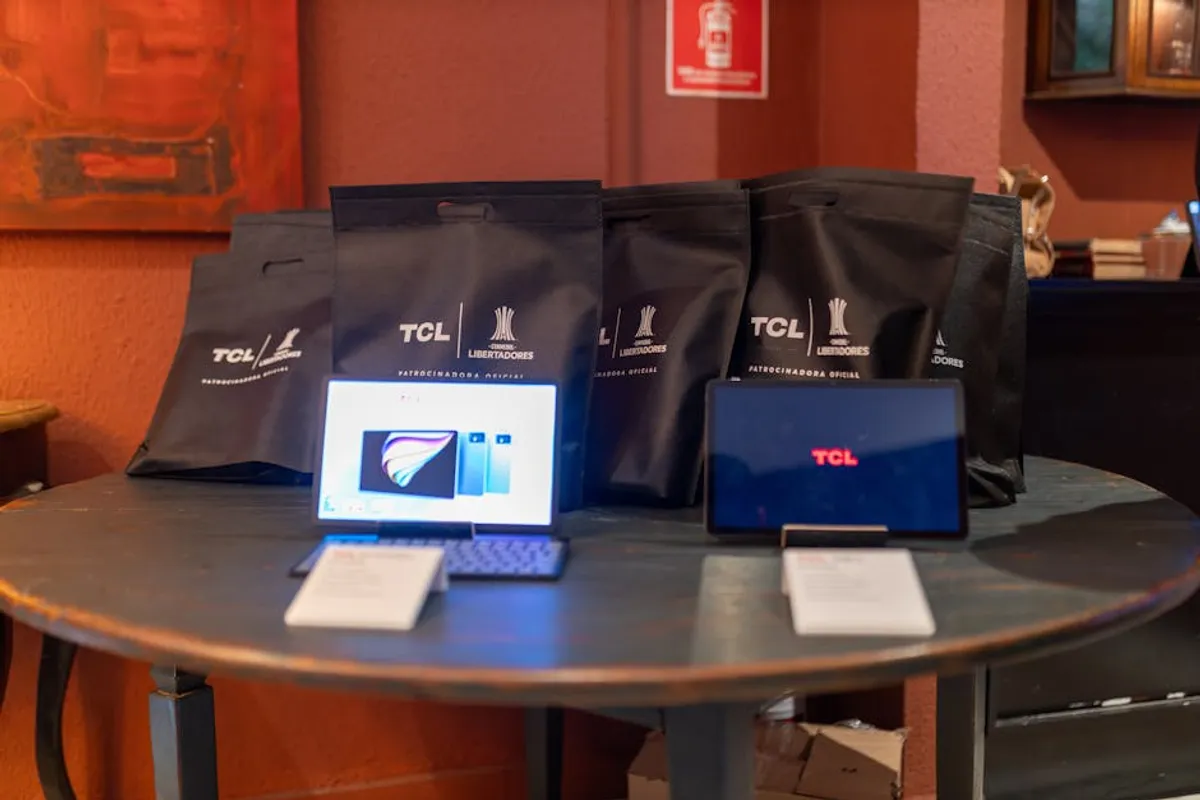
Successful event photography extends beyond merely documenting presence; it captures critical moments, reinforces brand narratives, and provides valuable marketing assets. For professionals and businesses, achieving consistently high-quality results means understanding the full lifecycle of an event shoot, from the initial client brief to final delivery. This requires strategic planning, precise technical execution, and an efficient post-production workflow to ensure every image serves its intended purpose effectively.
Planning for Precision: The Pre-Event Blueprint
Effective event photography begins long before the first shutter click. A thorough pre-event strategy minimizes surprises and maximizes successful capture opportunities.
Understanding Client Expectations
A detailed client brief is non-negotiable. This document should go beyond basic logistics, delving into the event's core objectives and the desired emotional tone of the imagery. Clarify specific individuals or groups that require dedicated attention, key moments to prioritize (e.g., keynote speeches, award ceremonies, product launches), and any specific brand guidelines for color, composition, or usage. Establish a clear shot list, distinguishing between mandatory captures and opportunistic candids. This proactive communication prevents misalignments and ensures the final output directly supports the client's commercial or commemorative goals.
Venue Logistics and Lighting Strategy
Conducting a pre-event site visit, or at minimum, reviewing detailed floor plans and photographs, is crucial. Assess existing lighting conditions at different times relevant to the event schedule. Identify potential challenges like mixed lighting (fluorescent, tungsten, natural light), dark corners, or areas with strong backlighting. Plan for supplementary lighting if necessary, considering off-camera flash setups, continuous LED panels, or reflectors. Understand the flow of attendees, key stage positions, and potential vantage points that offer clean backgrounds and optimal angles. This reconnaissance allows for pre-setting camera profiles and anticipating lens choices, reducing on-site adjustments.
Equipment Redundancy and Preparation
Reliability is paramount in event photography, where there are no second chances for missed moments. Prepare a comprehensive equipment kit that includes primary and backup camera bodies, a versatile range of lenses (e.g., wide-angle for establishing shots, telephoto for candid details, fast primes for low light), multiple fully charged batteries, and ample high-speed memory cards. Test all equipment before the event, ensuring flashes sync correctly, lenses focus accurately, and memory cards are formatted. Pack essential accessories like diffusers, spare cables, and a cleaning kit. This redundancy safeguards against equipment failure and ensures continuous operation.
Pro Tip: Always secure explicit consent for commercial use of identifiable individuals' photos, especially at private events. A signed model release form protects both the photographer and the client from future legal complications and streamlines image usage for marketing or promotional purposes.
Mastering the Moment: On-Site Execution
During the event, the photographer acts as a responsive observer, blending technical skill with an intuitive understanding of human interaction and event dynamics.
Dynamic Composition and Candid Captures
Focus on compositions that tell a story. Utilize the rule of thirds, leading lines, and natural frames to draw the viewer's eye. Beyond posed group shots, prioritize authentic, candid interactions that convey the event's energy and atmosphere. This often means anticipating reactions, observing body language, and positioning discreetly to capture genuine smiles, engaged conversations, and moments of reflection. Vary perspectives by shooting from high, low, and eye-level angles to add visual interest and depth to the final collection.
Technical Settings for Varied Environments
Adapt camera settings rapidly to changing light and movement. In low-light venues, prioritize lenses with wide apertures (f/1.4 - f/2.8) and be prepared to increase ISO while managing noise. For fast-moving action, a higher shutter speed (e.g., 1/250s or faster) is essential to freeze motion. When using flash, bounce it off ceilings or walls for softer, more natural illumination, or use diffusers to avoid harsh shadows. Constant monitoring of exposure, white balance, and focus points ensures consistent image quality across diverse scenarios.
Anticipating Key Interactions
A successful event photographer is proactive, not just reactive. Study the event schedule and identify critical junctures: speakers approaching the podium, award recipients reacting, networking groups forming, or key individuals engaging. Position yourself strategically before these moments unfold, ensuring an unobstructed view and optimal lighting. Maintain awareness of your surroundings to capture both planned activities and spontaneous, compelling interactions that might otherwise be missed.
Refining the Output: Post-Production and Delivery
The work doesn't end when the event does. Efficient post-production and timely delivery are crucial for client satisfaction and commercial utility.
Efficient Culling and Editing Workflow
Begin with a rapid culling process to eliminate technically flawed images (blurry, poorly exposed, repetitive). Utilize professional editing software for efficient batch processing. Focus on consistent color correction, exposure adjustments, and white balance across the entire set. Apply subtle sharpening and noise reduction as needed. Avoid over-editing; the goal is to enhance, not distort, the natural look of the event. For specific client requests, perform targeted retouching on key images.
Consistent Branding and File Management
Organize files meticulously using a consistent naming convention that includes date, event name, and sequence number. This facilitates easy retrieval for both you and the client. If required, apply client branding or watermarks consistently according to their specifications. Prepare images in various formats and resolutions: high-resolution for print, web-optimized for online use, and specific aspect ratios for social media platforms. This foresight ensures the client can immediately utilize the images across their intended channels without further processing.
Meeting Delivery Timelines
Adhere strictly to agreed-upon delivery schedules. Communicate any potential delays proactively and transparently. Deliver images via secure, professional platforms that allow for easy downloading and, if applicable, client selection. Provide clear instructions on how to access and use the files. A timely and organized delivery reinforces professionalism and strengthens client relationships for future engagements.
Maximizing Impact: Strategic Application of Event Photos
High-quality event photography serves multiple commercial purposes beyond immediate documentation. Businesses leverage these images for:
- Marketing and Promotion: Visual content for future event announcements, website galleries, and social media campaigns.
- Public Relations: Professional imagery for press releases, media kits, and news coverage.
- Internal Communications: Documenting company culture, employee recognition, and team-building activities.
- Sponsor Value: Providing visual assets to event sponsors, demonstrating their involvement and reach.
- Brand Storytelling: Authentic visuals that convey brand values, community engagement, and thought leadership.
By focusing on these strategic applications from the outset, photographers can tailor their approach to deliver assets that provide lasting value to their clients.
Frequently Asked Questions
What are the most critical pieces of equipment for event photography?
Beyond a reliable camera body, a versatile zoom lens (e.g., 24-70mm f/2.8), a telephoto zoom (e.g., 70-200mm f/2.8), and an external flash unit with diffusers are essential. Always include spare batteries, multiple memory cards, and a backup camera body for redundancy.
How do you balance candid shots with posed group photos?
Allocate specific time slots for posed group photos, often during natural breaks or before key event segments, to ensure efficiency. For candid shots, integrate seamlessly into the event, observing interactions from a distance and anticipating natural moments without disrupting the flow. Communicate with the client beforehand to understand the desired balance.
What's the typical turnaround time for event photos?
Turnaround time varies based on event scale and client agreement, but a standard deliverable is often within 3-7 business days for a comprehensive gallery. Providing a small selection of "hero" images within 24-48 hours for immediate social media or press use is a common value-add.
How can event photos be used effectively in marketing?
Event photos are highly effective for marketing. Use them to create engaging social media posts, update website galleries, design future event invitations, illustrate blog posts, and enhance email newsletters. High-quality visuals increase engagement, build anticipation for future events, and reinforce brand authenticity.