
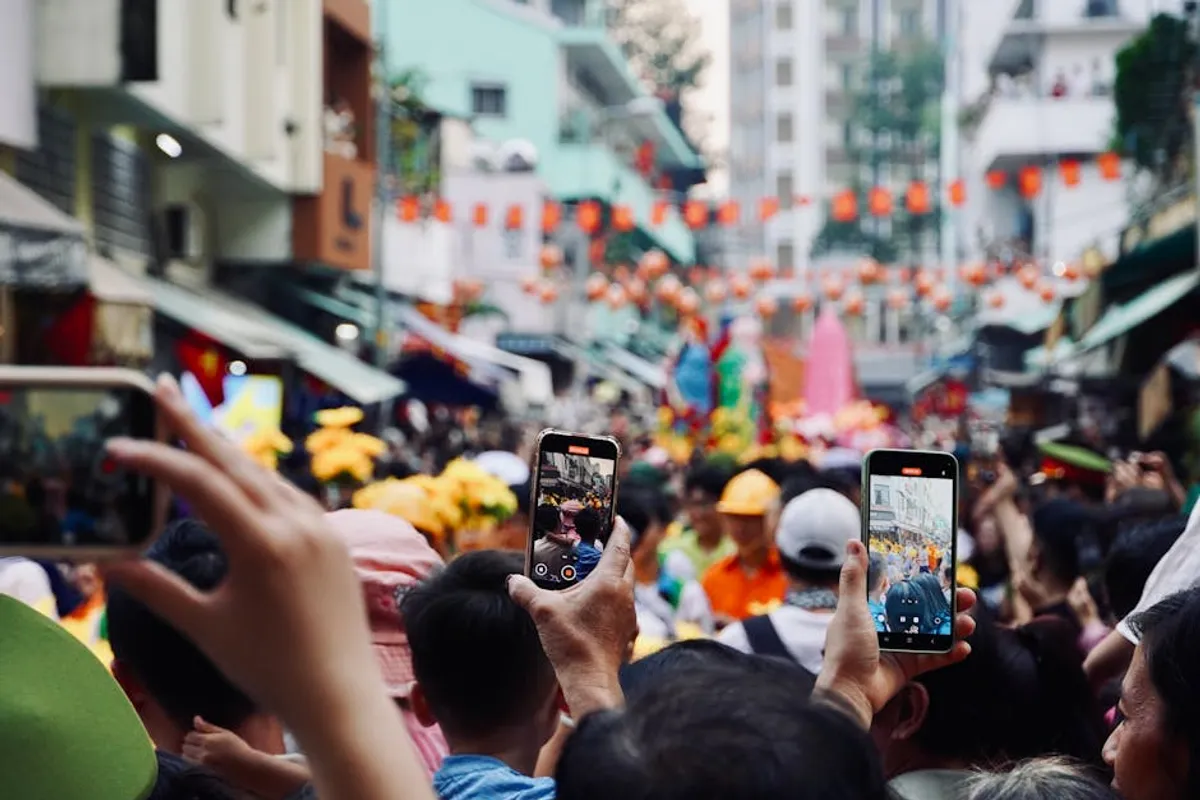
For community leaders, urban planners, and local businesses, understanding the strategic utility of cultural events moves beyond simple entertainment. These gatherings represent tangible investments in a community's social fabric and economic vitality. From stimulating local commerce to fostering a shared sense of identity, cultural events, when thoughtfully conceived and executed, serve as powerful catalysts for sustainable growth. This article delineates the specific mechanisms through which such events contribute to broader community development, offering a framework for assessing their impact and maximizing their long-term value.
Economic Catalysts Through Cultural Engagement
Cultural events generate direct and indirect economic benefits that ripple through local economies. Direct spending occurs through ticket sales, vendor fees, and attendee purchases of food, beverages, and merchandise within the event footprint. Indirect spending extends to local accommodations, transportation, and retail establishments as visitors and participants spend money in the wider community. This economic activity supports existing businesses and can incentivize new ventures, creating a dynamic local marketplace.
Boosting Local Commerce
Events act as concentrated demand generators, driving foot traffic to businesses that might otherwise see lower engagement. A music festival, for instance, not only sells concessions on-site but also directs attendees to nearby restaurants, cafes, and shops before and after performances. Seasonal markets provide direct sales opportunities for local artisans, farmers, and small business owners, often giving them a platform to reach new customer segments they might not access through regular operations. This concentrated commercial activity can be particularly impactful for small and medium-sized enterprises (SMEs) that rely on local patronage.
Strengthening Social Cohesion and Local Identity
Beyond economic metrics, cultural events are instrumental in weaving a stronger social fabric. They provide common ground for diverse community members to interact, share experiences, and build relationships. These shared moments foster a sense of belonging and collective pride, reinforcing the unique identity of a place.
Building Community Bonds
Cultural events often encourage active participation, whether through volunteering, performing, or simply attending. This participation breaks down social barriers and fosters intergenerational exchange. A community fair, for example, might feature local youth groups performing alongside senior craftspeople, creating connections that transcend age and background. The shared experience of celebrating local heritage, art, or traditions can significantly reduce social isolation and cultivate a more interconnected community.
- Encourages diverse group interaction through shared activities and spaces.
- Creates shared memories and collective experiences that reinforce community ties.
- Reinforces local pride and heritage by showcasing unique traditions and talents.
- Provides platforms for creative expression, allowing residents to contribute to the community's cultural life.
- Supports intergenerational exchange, fostering understanding and mentorship between different age groups.
Educational Impact and Skill Development
Many cultural events inherently offer educational components, ranging from historical reenactments and art workshops to scientific demonstrations and storytelling sessions. These programs provide informal learning opportunities that can supplement formal education and expose participants to new skills or perspectives. For organizers and volunteers, the process of planning and executing an event itself offers valuable experience in project management, marketing, logistics, and community engagement.
Revitalizing Public Spaces and Local Businesses
Cultural events frequently utilize and transform public spaces, breathing new life into parks, town squares, historical sites, or waterfronts. An underutilized plaza can become a vibrant marketplace or an open-air concert venue, increasing its perceived value and encouraging further public investment. This activation not only enhances the aesthetic appeal of an area but also drives foot traffic, which benefits surrounding businesses and contributes to a safer, more engaged public environment. Long-term, successful events can spur infrastructure improvements, from better lighting and seating to permanent stages or market structures.
PRO TIP: Effective event planning extends beyond the event dates. Engage local businesses and community groups from the initial planning stages to ensure their needs are addressed and to maximize local economic and social integration. This collaborative approach transforms events from isolated occurrences into integral parts of community development.
Practical Considerations for Event Organizers
Successful cultural events require meticulous planning and execution. Funding models typically involve a mix of public grants, corporate sponsorships, individual donations, and ticket sales. Logistics encompass everything from securing necessary permits and ensuring public safety to managing waste and providing accessible facilities for all attendees. Effective marketing and outreach are crucial for attracting participants and maximizing impact, often requiring a multi-channel approach that includes local media, social platforms, and community partnerships. Furthermore, prioritizing inclusivity and diversity in programming and accessibility ensures that events truly serve the entire community.
Measuring Impact and Sustaining Growth
To understand the true value of cultural events, communities must implement robust methods for measuring their impact. Key metrics can include attendance figures, economic impact assessments (e.g., visitor spending, job creation), participant and vendor surveys, and media coverage analysis. Beyond immediate returns, assessing the long-term legacy is critical—this might involve the establishment of new community traditions, the development of ongoing cultural programs, or the realization of permanent infrastructure improvements spurred by event needs. Regular feedback loops and post-event evaluations are essential for continuous improvement and for demonstrating accountability to funders and stakeholders.
Cultivating Lasting Community Value
Cultural events are not merely transient spectacles but strategic tools for fostering enduring community growth. Their ability to stimulate local economies, strengthen social bonds, educate residents, and revitalize public spaces makes them indispensable assets for community development. By prioritizing thoughtful planning, fostering broad collaboration, and rigorously measuring impact, communities can transform individual events into a cohesive strategy for long-term prosperity and cultural enrichment. The sustained investment in these initiatives yields returns far beyond mere entertainment, building a more connected, vibrant, and resilient community for all its members.
Frequently Asked Questions
What defines a cultural event in the context of community growth?
A cultural event is any organized gathering that celebrates or explores aspects of a community's heritage, arts, traditions, or shared identity. In the context of growth, it specifically refers to events designed or recognized for their capacity to generate economic activity, strengthen social connections, or provide educational value within a local area.
How do cultural events specifically drive economic benefits for a community?
Cultural events drive economic benefits through direct spending by attendees and organizers on local goods and services (e.g., food, accommodation, transport), indirect spending by businesses supplying event needs, and the creation of temporary and permanent jobs. They also attract tourism, increasing visitor spending that injects new capital into the local economy.
What are key challenges in organizing cultural events for community growth?
Key challenges include securing adequate and sustainable funding, navigating complex permitting and regulatory requirements, ensuring public safety and accessibility, effectively marketing the event to a diverse audience, and managing logistics such as waste disposal and traffic. Additionally, fostering genuine community buy-in and participation can be a significant hurdle.
How can event organizers ensure cultural events are inclusive and representative?
To ensure inclusivity, organizers should involve diverse community groups in the planning process, offer varied programming that appeals to different demographics, ensure physical accessibility, provide multilingual information where appropriate, and price events accessibly or offer free options. Promoting local talent and diverse cultural expressions also helps ensure representation.