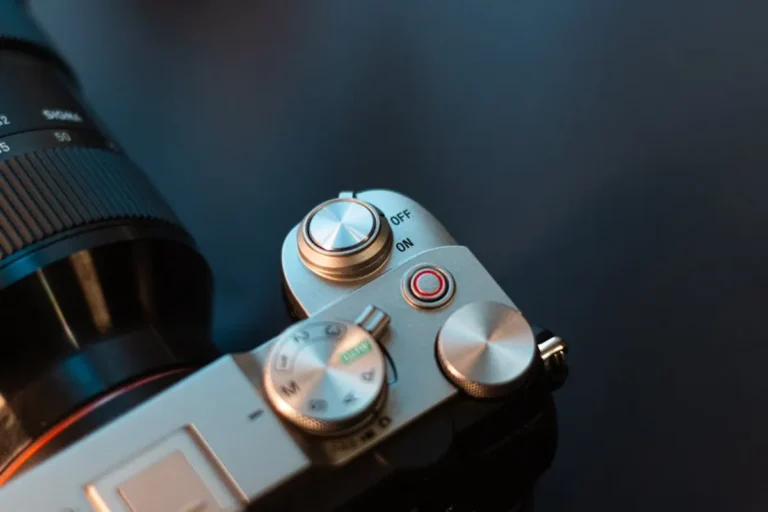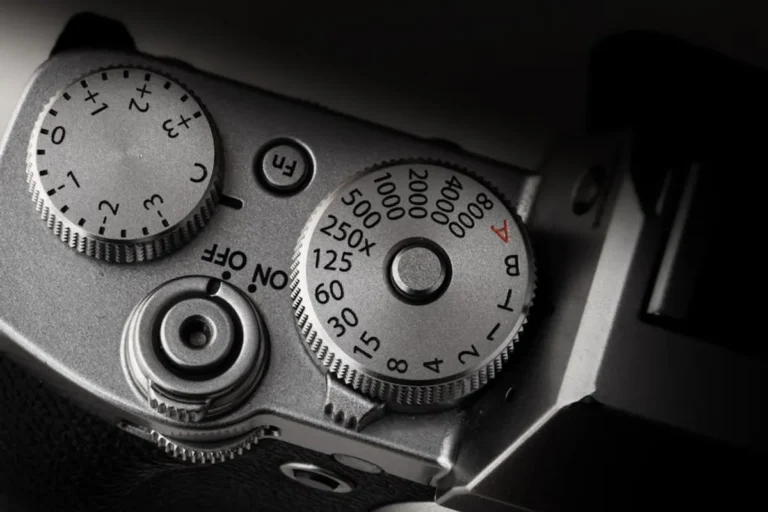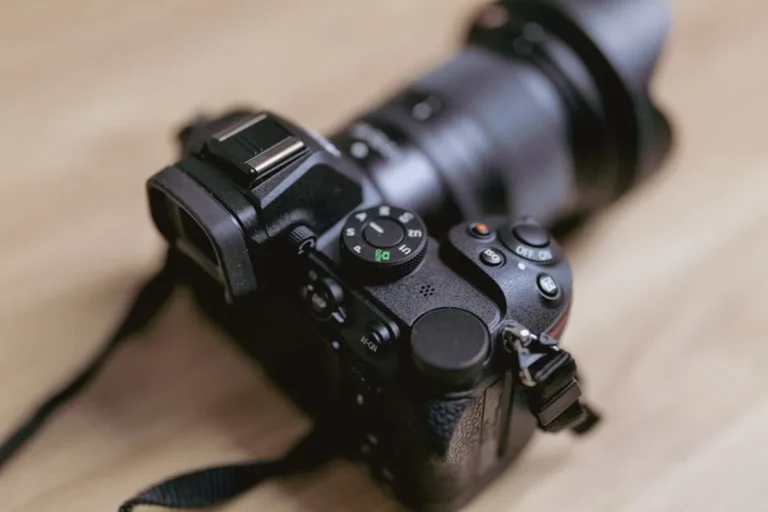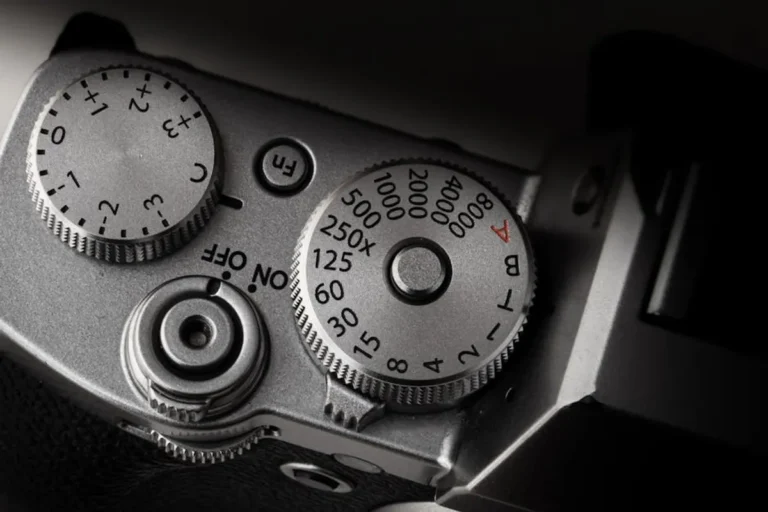
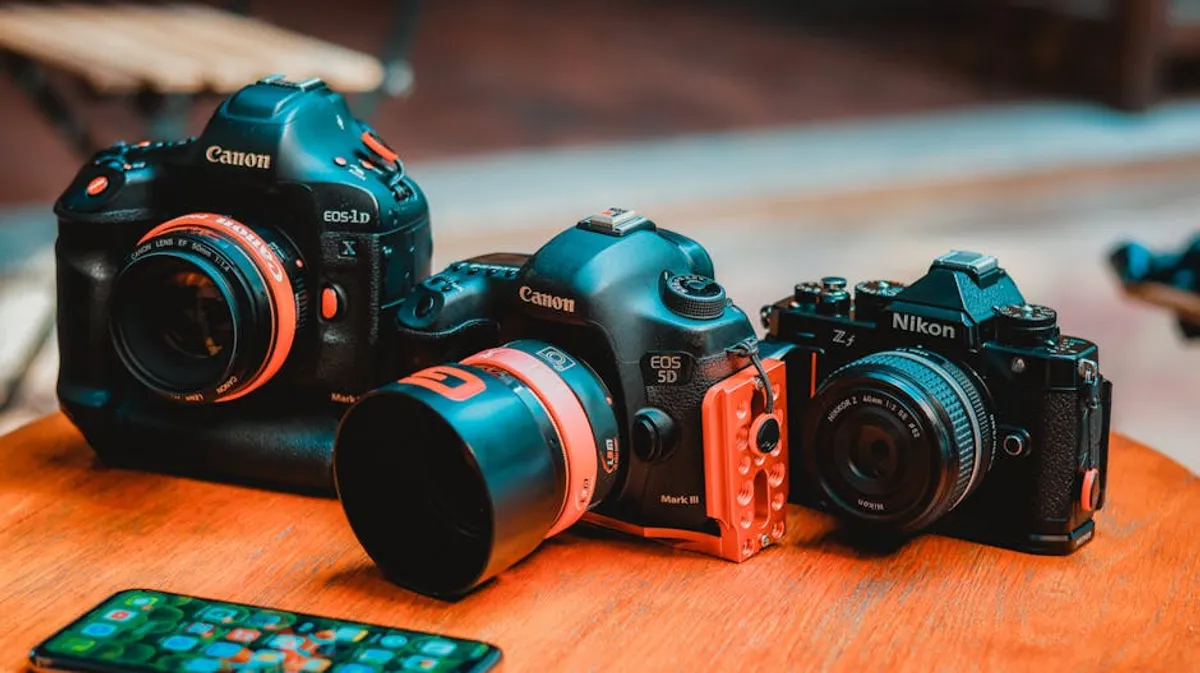
Entering the world of photography requires an initial investment in gear, and for beginners, the sheer volume of options can be overwhelming. The critical first step involves selecting equipment that balances ease of use with sufficient capability to allow for skill development, all while adhering to a realistic budget. The objective is not to acquire the most advanced or expensive equipment, but rather tools that facilitate learning fundamental techniques without creating unnecessary complexity or financial strain. This guide focuses on specific gear recommendations that offer a clear path for new photographers to capture quality images and build foundational knowledge.
What to Look For in Beginner Photography Gear
When selecting your initial photography equipment, prioritize features that support learning and practical application over specialized, advanced capabilities. The sensor size directly impacts image quality and low-light performance, with larger sensors (APS-C or Full-Frame) generally producing better results than smaller ones (Micro Four Thirds or 1-inch), though at a higher cost. Ergonomics are crucial; a camera should feel comfortable and intuitive in your hands, especially during extended use. Consider the availability and cost of compatible lenses, as a versatile lens system expands creative possibilities without requiring a new camera body. Battery life influences shooting duration, while connectivity features like Wi-Fi and Bluetooth simplify image transfer. Lastly, evaluate the overall ecosystem, including available accessories and community support, which can be invaluable for beginners.
1. Canon EOS Rebel T8i (EOS 850D)
The Canon Rebel T8i represents a mature iteration of Canon’s entry-level DSLR line, offering a familiar interface and robust feature set for beginners. It features a 24.1-megapixel APS-C sensor, providing ample resolution for prints and digital displays. Its optical viewfinder offers a direct, lag-free view of the scene, which many traditional photographers prefer. The camera incorporates Canon’s Dual Pixel CMOS AF for smooth and accurate autofocus during live view and video recording, a significant advantage over contrast-detection systems in similar price segments. With a vari-angle touchscreen LCD, it facilitates shooting from diverse angles and intuitive menu navigation, making it accessible for those transitioning from smartphone photography.
Best for: Beginners seeking a traditional DSLR experience with an optical viewfinder, extensive lens compatibility, and a user-friendly interface for stills and casual video.
Pros:
- Optical viewfinder provides a clear, real-time view and conserves battery.
- Dual Pixel CMOS AF delivers fast and reliable autofocus in live view and video.
- Vari-angle touchscreen simplifies creative framing and settings adjustments.
- Large ecosystem of EF/EF-S lenses offers broad upgrade paths.
- Excellent battery life compared to many mirrorless alternatives.
Cons:
- Larger and heavier body than comparable mirrorless cameras.
- Limited 4K video recording (cropped and contrast-detect AF only).
- Slower burst shooting speeds compared to some mirrorless options.
- Older sensor technology compared to newer mirrorless designs.
Verdict: The Rebel T8i is a reliable starting point for photographers who appreciate the tactile experience of a DSLR and value a wide selection of affordable lenses. Its intuitive controls and dependable performance make it a solid foundation for learning photographic principles, especially if video is not the primary focus.
2. Sony Alpha a6100
Sony’s Alpha a6100 is a compact, mirrorless camera equipped with a 24.2-megapixel APS-C sensor, known for its strong image quality and low-light performance. Its standout feature is the advanced autofocus system, which includes Real-time Tracking and Real-time Eye AF for both humans and animals, ensuring sharp focus even with moving subjects. The camera records 4K video with full pixel readout, producing detailed and vibrant footage. Its electronic viewfinder (EVF) provides a digital preview of exposure and settings, aiding beginners in understanding how adjustments affect the final image. The a6100 is a portable option that doesn't compromise on advanced features, making it suitable for those who prioritize speed and compact design.
Best for: Beginners seeking a compact mirrorless camera with class-leading autofocus, strong video capabilities, and excellent image quality for travel, vlogging, and everyday shooting.
Pros:
- Exceptional autofocus system with Real-time Tracking and Eye AF.
- High-quality 4K video recording without pixel binning.
- Compact and lightweight design, ideal for portability.
- Good low-light performance from the APS-C sensor.
- Tilting touchscreen LCD for flexible shooting angles.
Cons:
- Limited touchscreen functionality (primarily focus point selection).
- Older menu system can be less intuitive for new users.
- Lack of in-body image stabilization (IBIS) means reliance on stabilized lenses.
- Smaller grip may be less comfortable for users with larger hands.
Verdict: The a6100 offers a compelling package for beginners who want a fast, intelligent camera that excels in capturing both stills and video. Its advanced autofocus system provides a significant advantage for capturing dynamic subjects, making it a powerful learning tool that can keep up as skills develop.
3. Fujifilm X-T200
The Fujifilm X-T200 stands out with its retro-inspired design and a large, articulating touchscreen that simplifies navigation and creative composition. It features a 24.2-megapixel APS-C sensor that delivers Fujifilm's renowned color science, producing aesthetically pleasing JPEG images directly out of the camera. The camera supports 4K video recording at 30fps with a 1.29x crop, and offers an HDR movie mode for enhanced dynamic range. Its intuitive interface, including dedicated dials for exposure compensation and shutter speed, makes it approachable for beginners learning manual controls. The X-T200 is designed for users who appreciate style and a tactile shooting experience, coupled with strong image and video capabilities.
Best for: Beginners who value intuitive controls, excellent JPEG color rendering, a large articulating touchscreen, and a stylish, retro aesthetic for both stills and casual video.
Pros:
- Superb Fujifilm color science for appealing JPEGs.
- Large, fully articulating touchscreen for flexible shooting and intuitive control.
- Dedicated physical dials enhance the manual shooting experience.
- Good 4K video capabilities with HDR movie mode.
- Lightweight and compact design.
Cons:
- Autofocus, while improved, is not as advanced as Sony's Real-time Tracking.
- Electronic viewfinder (EVF) resolution is lower than some competitors.
- Battery life is moderate, requiring spare batteries for extended use.
- Limited native lens options compared to Canon or Sony, particularly in budget-friendly primes.
Verdict: The X-T200 is an attractive option for beginners drawn to Fujifilm's aesthetic and user experience. Its large touchscreen and direct controls make it easy to learn, while the excellent image quality provides a strong foundation for creative expression.
4. Nikon D3500
The Nikon D3500 is an entry-level DSLR designed specifically for new photographers, emphasizing simplicity and a guided user experience. It features a 24.2-megapixel APS-C sensor without an optical low-pass filter, which contributes to sharp, detailed images. The camera's "Guide Mode" walks users through various settings and their effects, effectively teaching photographic concepts on the fly. Its compact and lightweight body, combined with excellent battery life, makes it a practical choice for all-day shooting. While it lacks 4K video and a touchscreen, its straightforward operation and access to Nikon's extensive F-mount lens ecosystem provide a solid, budget-friendly entry into photography.
Best for: Absolute beginners on a tighter budget who prefer a traditional DSLR feel, prioritize simplicity, and want a camera that teaches them photographic basics through its interface.
Pros:
- Outstanding battery life, often exceeding 1,500 shots per charge.
- "Guide Mode" helps beginners understand camera settings and effects.
- Excellent image quality for its price point, with sharp detail.
- Compact and lightweight for a DSLR.
- Access to a vast array of affordable F-mount lenses.
Cons:
- No 4K video recording; limited to Full HD (1080p).
- Fixed rear LCD without touchscreen functionality.
- Autofocus in live view is significantly slower than mirrorless cameras.
- Limited connectivity options (no Wi-Fi, only Bluetooth for image transfer).
Verdict: For beginners prioritizing affordability, simplicity, and battery life in a DSLR form factor, the D3500 remains a strong contender. Its educational features and robust image quality provide a solid platform for learning without overwhelming the user with advanced controls.
5. Panasonic Lumix G100
The Panasonic Lumix G100 is a compact mirrorless camera specifically designed with vloggers and content creators in mind, making it an excellent choice for beginners interested in video. It features a 20.3-megapixel Micro Four Thirds sensor, providing a balance of image quality and portability. A key innovation is the OZO Audio by Nokia, which offers enhanced spatial audio recording with various tracking modes. The camera records 4K video at 30p and includes a fully articulating screen, essential for self-recording. While its autofocus system is contrast-detection based, it performs adequately for most vlogging scenarios, and the camera's compact size makes it highly portable.
Best for: Beginners focused on vlogging, YouTube content creation, and general video production, who need a compact camera with superior audio capabilities and a fully articulating screen.
Pros:
- Integrated OZO Audio delivers high-quality spatial sound recording.
- Fully articulating screen is ideal for vlogging and creative angles.
- Compact and lightweight design, highly portable.
- Good 4K video capabilities for its class.
- Micro Four Thirds system offers a wide range of compact lenses.
Cons:
- Contrast-detection autofocus can hunt in low light or with fast-moving subjects.
- No in-body image stabilization (IBIS), relying on electronic or lens stabilization.
- 20.3MP Micro Four Thirds sensor is smaller than APS-C, impacting low-light performance slightly.
- Lacks a headphone jack, which can be an issue for professional audio monitoring.
Verdict: The Lumix G100 carves a niche for itself as a dedicated vlogging camera for beginners. Its superior audio features and flexible screen make it an excellent tool for content creators, though those prioritizing still photography or advanced autofocus might look elsewhere.
6. Canon PowerShot G7 X Mark III
The Canon PowerShot G7 X Mark III is a premium compact camera featuring a 1-inch, 20.1-megapixel stacked CMOS sensor, which enables impressive speed and image quality for its size. Its standout feature is the ability to livestream directly to YouTube and record vertical video, catering to modern content creation needs. The camera includes a bright f/1.8-2.8 zoom lens (24-100mm equivalent) that performs well in various lighting conditions. It also offers uncropped 4K video recording and a tilting touchscreen LCD. This camera is designed for photographers and videographers who need a highly portable device with advanced capabilities, without the need for interchangeable lenses.
Best for: Beginners seeking a highly portable, all-in-one compact camera for vlogging, travel, street photography, and content creation that demands direct streaming and vertical video support.
Pros:
- Excellent image quality from the 1-inch stacked sensor.
- Bright f/1.8-2.8 zoom lens is versatile in low light.
- Uncropped 4K video and direct YouTube livestreaming.
- Compact and pocketable design.
- Tilting touchscreen LCD for flexible shooting.
Cons:
- Smaller 1-inch sensor limits ultimate low-light performance compared to APS-C.
- Autofocus can be less reliable than larger-sensor cameras, especially for tracking.
- Fixed lens limits creative flexibility compared to interchangeable lens cameras.
- Battery life is moderate.
Verdict: The G7 X Mark III is an ideal choice for beginners who want a powerful, pocketable camera for both high-quality stills and advanced video features, particularly for social media and vlogging. Its fixed lens simplifies operation while still offering a capable optical range.
7. Joby GorillaPod 3K Kit
The Joby GorillaPod 3K Kit is a flexible mini-tripod designed to provide stable support for mirrorless cameras, small DSLRs, and other accessories up to 3kg (6.6 lbs). Its distinctive bendable legs can wrap around objects, stand on uneven surfaces, or be used as a comfortable grip for handheld shooting. The kit includes a ball head with a standard 1/4"-20 screw, offering precise positioning and quick-release plate functionality. This versatility makes it an indispensable tool for beginners looking to experiment with long exposures, self-portraits, vlogging, or simply achieving sharper images in challenging conditions without carrying a full-sized tripod.
Best for: Beginners needing a versatile, portable, and adaptable support system for cameras, flashes, or microphones, particularly for vlogging, creative angles, and stable tabletop shots.
Pros:
- Extremely versatile due to flexible, grippy legs.
- Compact and lightweight, easy to transport.
- Supports cameras up to 3kg, suitable for most beginner setups.
- Included ball head offers precise camera positioning.
- Durable construction for outdoor use.
Cons:
- Limited height adjustment compared to traditional tripods.
- May not be stable enough for very heavy lenses or extreme winds.
- Can be tricky to level perfectly on some surfaces.
Verdict: The GorillaPod 3K is an essential accessory for any beginner looking to expand their creative possibilities beyond handheld shooting. Its unique design offers stability and flexibility in situations where a conventional tripod would be impractical, making it a valuable learning tool.
8. Rode VideoMicro
The Rode VideoMicro is a compact, on-camera shotgun microphone designed to significantly improve audio quality over a camera's built-in microphone. It connects directly to a camera's 3.5mm microphone input, drawing power from the camera itself, eliminating the need for batteries. The microphone features a cardioid polar pattern, which primarily picks up sound from the front, reducing distracting ambient noise from the sides and rear. It includes a Rycote Lyre shock mount to minimize handling noise and vibrations, along with a furry windshield (dead cat) for effective wind noise reduction outdoors. This simple upgrade is crucial for beginners producing video content where clear audio is paramount.
Best for: Beginners creating video content (vlogs, interviews, short films) who need a significant upgrade in audio quality from their camera's internal microphone, requiring a compact, battery-free solution.
Pros:
- Dramatically improves audio clarity compared to internal camera mics.
- Compact and lightweight, easy to mount on camera.
- Battery-free operation simplifies use.
- Includes Rycote Lyre shock mount and furry windshield for noise reduction.
- Durable all-metal construction.
Cons:
- Unidirectional (cardioid) pickup pattern may not be ideal for capturing wide ambient soundscapes.
- Requires a 3.5mm microphone input on the camera (some compact cameras lack this).
- Not suitable for capturing audio from subjects far away without additional equipment.
Verdict: For any beginner serious about video production, the Rode VideoMicro is a fundamental upgrade. Its ease of use, robust construction, and significant audio improvement make it an indispensable tool for ensuring professional-sounding content.
9. SanDisk Extreme PRO SDXC UHS-I Card (64GB)
A high-speed memory card is a non-negotiable component for any digital photographer, and the SanDisk Extreme PRO SDXC UHS-I (64GB) offers a balance of speed, capacity, and reliability suitable for beginners. With read speeds up to 170 MB/s and write speeds up to 90 MB/s, it handles continuous burst shooting of high-resolution stills and smooth 4K UHD video recording without buffering issues. The 64GB capacity provides ample space for thousands of JPEG images or several hours of video, reducing the need for frequent offloads. Its UHS Speed Class 3 (U3) and Video Speed Class 30 (V30) ratings guarantee sustained performance for demanding tasks, ensuring that the camera's capabilities are not bottlenecked by slow storage.
Best for: All beginners needing a reliable, fast, and sufficiently capacious memory card to support high-resolution still photography, continuous burst shooting, and 4K video recording without performance bottlenecks.
Pros:
- High read/write speeds support fast burst shooting and 4K video.
- 64GB capacity offers ample storage for typical beginner usage.
- UHS-I interface is compatible with a wide range of cameras.
- Durable design, resistant to shock, temperature, water, and X-rays.
- Reputable brand known for reliability.
Cons:
- Not as fast as UHS-II cards, though most beginner cameras don't support UHS-II.
- Higher price point than slower, generic cards, but justified by performance.
Verdict: Investing in a fast and reliable memory card like the SanDisk Extreme PRO is crucial. It ensures that your camera performs optimally, preventing missed shots due to buffering and safeguarding your captured images and videos, making it a foundational piece of gear.
10. Neewer 5-in-1 Collapsible Reflector Kit
The Neewer 5-in-1 Collapsible Reflector Kit is a simple yet highly effective lighting tool for beginners. This portable kit typically includes a translucent disc, along with reversible zippered sleeves offering silver, gold, white, and black surfaces. The translucent disc acts as a diffuser, softening harsh light, while the silver surface reflects light to increase contrast, and the gold adds warmth. The white reflector provides a neutral fill light, and the black acts as a flag to absorb light and deepen shadows. Its collapsible design allows it to fold down to a third of its open size, making it easy to transport and store. This kit provides immediate control over natural and artificial light, teaching fundamental lighting principles without complex setups.
Best for: Beginners looking to understand and control natural or artificial light for portraits, still life, and product photography, without investing in expensive electronic lighting equipment.
Pros:
- Highly versatile with five different lighting effects in one kit.
- Inexpensive compared to electronic lighting solutions.
- Portable and collapsible, easy to carry and set up.
- No power source required, ideal for outdoor use.
- Provides immediate, tangible results in light shaping.
Cons:
- Requires an assistant or a stand to hold in place for many scenarios.
- Can be unwieldy in windy conditions outdoors.
- Limited power compared to dedicated strobes or continuous lights.
Verdict: A 5-in-1 reflector kit is an indispensable tool for any beginner serious about improving their lighting. It offers a practical, hands-on way to learn how light behaves and how to shape it, providing immediate improvements to image quality for a minimal investment.
11. Peak Design Slide Lite Camera Strap
The Peak Design Slide Lite camera strap offers a blend of comfort, versatility, and security for mirrorless cameras and smaller DSLRs. Its key innovation lies in the Anchor Link system, which allows for quick attachment and detachment of the strap from the camera using durable, quick-release connectors. This enables users to switch between sling, neck, or shoulder carry styles, or remove the strap entirely for tripod use, within seconds. The strap itself is made from a seatbelt-style material, smooth on one side for easy gliding and grippy on the other to prevent slipping. Its adjustable length and robust construction make it a practical and ergonomic choice for active photographers.
Best for: Beginners seeking a comfortable, highly versatile, and secure camera strap that allows for quick changes in carrying style and easy removal, suitable for mirrorless and smaller DSLR cameras.
Pros:
- Anchor Link system provides fast and secure attachment/detachment.
- Versatile carrying options (sling, neck, shoulder).
- Comfortable and durable seatbelt-style webbing.
- Adjustable length for various body types and shooting situations.
- Compatible with other Peak Design accessories.
Cons:
- Higher price point than basic camera straps.
- Anchor Links can sometimes be slightly